Choosing an extraction solvent is not a simple matter of selecting the strongest liquid. Plant species, target compounds, moisture, temperature, and final use all influence the result. This guide examines what are the best solvents for extracting herbal compounds while keeping safety, selectivity, and reproducibility in focus.
Dr. Farid Chemat, a leading researcher in green extraction, wrote: “Green extraction is based on the discovery and design of extraction processes which will reduce energy consumption, allow the use of alternative solvents and renewable natural products, and ensure a safe and high-quality extract/product.” His principle remains practical in 2026. Ethanol-water mixtures often suit polyphenols and many flavonoids. Water can work well for polysaccharides, proteins, and some polar compounds. For less-polar constituents, carefully controlled food-grade alternatives may provide better selectivity.
There is no universal winner. That matters. A solvent that produces a darker extract may not produce a better extract. In a laboratory, researchers should record solvent ratio, plant-to-liquid ratio, extraction time, temperature, filtration method, and yield. Small changes can alter the chemical profile. I have also seen “high yield” create confusion, because mass alone does not prove quality or activity. Responsible selection requires validated analytical testing, contaminant screening, and appropriate regulatory review. This introduction compares common solvent systems, their strengths, limitations, and practical applications, without encouraging unsafe handling or unapproved uses.
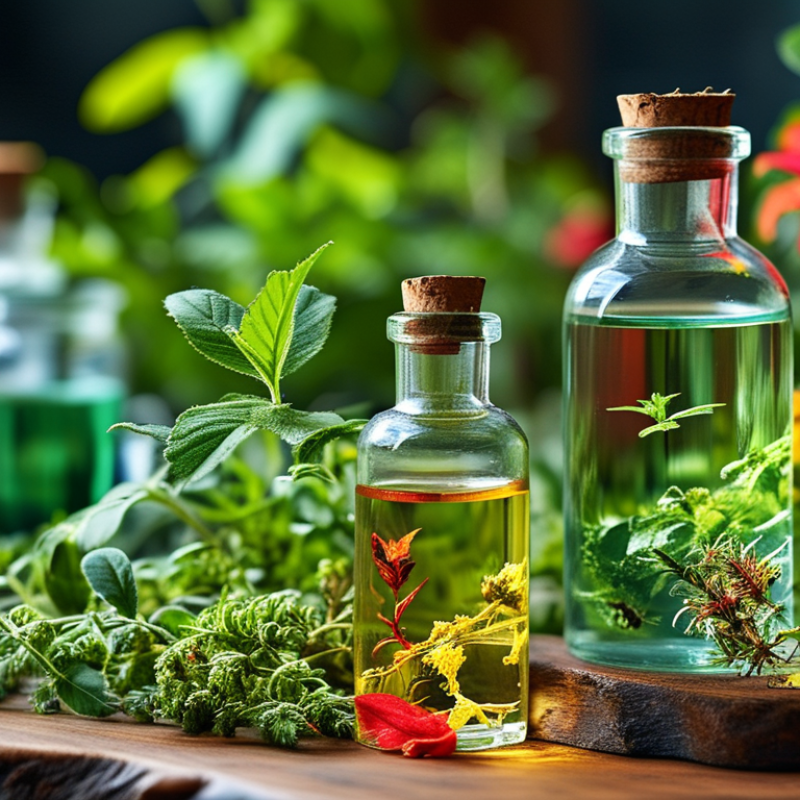
2026 Best Solvents for Herbal Compound Extraction?
A solvent works well when it matches the compound’s polarity, stability, and intended use. Water draws out polysaccharides, minerals, and many polar phenolics. Ethanol-water mixtures often reach a wider chemical range. Less water can favor moderately lipophilic compounds, while more water improves extraction of polar constituents. No solvent wins every time.
Temperature matters. A warm, controlled process may improve diffusion, but excessive heat can damage volatile oils and sensitive flavonoids. Particle size matters too. Finely milled herbs expose more surface area, yet over-milling may increase unwanted chlorophyll and waxes. I would not treat yield as the only success measure. A darker extract can still be chemically weaker.
Safety data must guide solvent selection. ICH Q3C(R8) assigns ethanol to Class 3, with a permitted daily exposure of 50 mg, while n-hexane has a far lower limit of 0.029 mg per day. These figures show why solvent removal and verification are essential. USP <467> provides complementary residual-solvent testing requirements. A 2023 review in Industrial Crops and Products also reported that solvent polarity, water content, and extraction temperature strongly influence phenolic recovery. Results vary by plant material. That variability deserves more attention. Reliable work includes authenticated herbs, controlled batches, chromatographic testing, and documented drying conditions. Extraction should be selective, reproducible, and appropriate for the final legal use.
2026 Best Solvents for Herbal Compound Extraction?
How Solvent Polarity Shapes Herbal Compound Recovery
Solvent polarity often decides which herbal compounds leave plant tissue. Highly polar water favors sugars, mineral salts, and some glycosides. Moderate-polarity aqueous ethanol can recover many phenolics and flavonoids. Less polar solvents may extract waxes, lipids, and terpenoid-rich fractions. The key is matching solvent behavior to the target chemistry, not choosing the strongest liquid.
In practical extraction work, a dried leaf may be milled into a coarse powder before soaking. A 50% ethanol-water mixture can balance polar and moderately polar compounds. Ethyl acetate may separate certain medium-polarity constituents. Glycerol-water systems offer a lower-volatility option for some preparations. Small changes matter. Temperature, contact time, particle size, and solvent-to-herb ratio can shift recovery substantially. A darker extract is not automatically better.
One limitation deserves honesty: polarity charts cannot predict every plant matrix. Cell walls, resins, enzymes, and moisture can disrupt neat laboratory expectations. I would compare several solvent ratios rather than trust one formula. Recovery should be checked with validated chromatographic testing, not color alone. Testing can also identify unwanted degradation and residual solvent concerns. Good records include plant identity, harvest condition, drying method, extraction temperature, and repeatability. Even careful methods can disappoint. That is useful data, not failure.
Solvent polarity strongly influences which herbal compounds are recovered. Low-polarity solvents such as n-hexane favor lipophilic compounds, including waxes, oils, terpenes, and some pigments. Intermediate-polarity solvents such as ethyl acetate and ethanol are commonly suited to moderately polar constituents, while methanol and water favor highly polar compounds such as phenolics, glycosides, polysaccharides, and tannins. The values below use approximate Snyder solvent polarity indices; they indicate extraction selectivity rather than guaranteed recovery percentages.
Practical selection rule: match solvent polarity to the target compound class, and consider aqueous alcohol mixtures when a broad range of herbal constituents is required. Temperature, particle size, extraction time, pH, and plant matrix can substantially change final recovery.
Solvent choice should follow constituent chemistry, not habit.
Water is selective. It suits polysaccharides, proteins, minerals, and many tannins. Hydroethanolic mixtures, commonly 30–70% ethanol, can improve recovery of flavonoid glycosides and phenolic acids. The best ratio depends on plant moisture, particle size, and extraction temperature.
For essential oils and other volatile compounds, steam distillation or supercritical carbon dioxide may reduce thermal damage. Less-polar solvents can assist with carotenoids, waxes, and selected terpenes, but they may also extract unwanted lipids.
Glycerol and water-glycerol systems are useful when low-volatility, orally acceptable formulations matter. The European Medicines Agency’s quality guidance requires the extraction solvent and drug-to-extract ratio to be defined. USP General Chapter <561> also stresses botanical identity, purity, and strength testing. These controls matter because the WHO Global Report on Traditional and Complementary Medicine reported use in 170 of 194 Member States.
A practical screen compares water, hydroethanol, and a less-polar system under identical conditions.
Record yield, marker-compound recovery, color, odor, and residual solvent results. Keep the extract cool when targeting volatile molecules. Test several ratios. No solvent is perfect.
A high yield can hide poor selectivity or degraded compounds. I would also question published recovery data when laboratories use different plant batches, drying methods, or assay standards. Small procedural differences can change the result.
Solvent selection starts with the target compounds, not popularity. Water suits sugars, proteins, and many polar phenolics. A food-grade alcohol-water mixture reaches compounds across a wider polarity range. Mild organic solvents can help recover less-polar constituents. However, solvent safety, permitted use, and residue limits must guide every decision. The safest choice depends on the final product, plant material, and local regulations.
Particle size changes extraction speed. Smaller particles expose more surface area, but excessive grinding may increase oxidation. Keep the material dry, then record moisture content before testing. Compare solvent ratios, temperatures, and contact times in small, controlled trials. A practical screening plan may test three alcohol-water ratios and two extraction temperatures. Do not assume hotter is better. Heat can damage delicate compounds.
Measure the extract, not only its color. Use validated analytical methods to track marker compounds, impurities, and solvent residues. Filtration, concentration, and storage can change the final profile. Light-sensitive extracts need dark containers and limited air exposure. A perfect solvent rarely exists. Early trials may fail because the plant matrix was poorly characterized. That failure is useful, if every variable was recorded and reviewed. Extraction decisions should remain evidence-based, repeatable, and suitable for the intended legal application.
In herbal compound extraction, the “best” solvent depends on the target compounds and intended use. Food-grade ethanol and purified water remain practical options for many polar and moderately polar constituents. Glycerol can help when a low-volatility medium is required. Supercritical carbon dioxide may reduce liquid waste, but it needs high-pressure equipment and careful process control. A greener label alone does not prove better performance.
Safety begins with a documented specification, not a supplier promise. Check identity, concentration, residual solvents, water content, and contaminant limits before production. Each batch should have traceability and a current certificate of analysis. Testing should also consider pesticides, heavy metals, microbes, and mycotoxins in the herb itself. Use closed systems, ventilation, grounding, and suitable protective equipment for flammable solvents. Small details matter. A clean-looking extract can still contain invisible residues.
For 2026, sustainability should include the whole process. Measure solvent recovery, energy demand, water use, waste volume, and worker exposure. Ethanol recovery can lower waste, while water-based extraction may increase drying energy. Compare actual data rather than marketing claims. Reuse is valuable only when purity remains controlled. My preference would be a validated, recoverable solvent system, but that choice can be wrong for heat-sensitive compounds. Pilot trials, stability testing, and independent review should guide the final decision. Standards evolve. Good practice must evolve with them.
| Solvent | Polarity & Main Extraction Uses | Key Physical Data | Safety Profile | Residual-Solvent Consideration | Purity & Process-Control Priorities | Sustainability Assessment | 2026 Suitability |
|---|---|---|---|---|---|---|---|
| Water | Highly polar; suitable for polysaccharides, proteins, minerals, glycosides, tannins, and many hydrophilic phenolics. | Boiling point: 100 °C at 1 atm; non-flammable; high heat capacity. | Low inherent toxicity, but aqueous extracts can support microbial growth and may require validated preservation or rapid drying. | No organic residual-solvent limit; water quality and microbiological control remain essential. | Use purified or otherwise appropriately specified water; control bioburden, conductivity, total organic carbon, and extract concentration. | Excellent: non-toxic, readily available, and low environmental burden; energy use can increase during evaporation or freeze-drying. | Excellent |
| Ethanol Water mixtures commonly used |
Medium-to-polar; versatile for alkaloids, flavonoids, terpenoids, phenolic compounds, and broad-spectrum botanical extracts. | Boiling point: 78.4 °C; flash point: approximately 13 °C; miscible with water. | Highly flammable; vapour control, grounding, ventilation, and explosion-rated equipment may be required. Toxicity is comparatively low, but ingestion and inhalation hazards remain. | Generally classified as an ICH Q3C Class 3 solvent, subject to applicable limits and product-specific specifications. | Specify denaturant status where relevant; test water content, identity, assay, impurities, and residual solvent after concentration. | Very good when recovered and recycled; renewable-feedstock routes may reduce fossil dependence, while distillation can be energy-intensive. | Preferred |
| Ethyl Acetate | Moderately polar; useful for many flavonoids, phenolic aglycones, lipids, essential-oil components, and liquid–liquid partitioning. | Boiling point: 77.1 °C; flash point: approximately −4 °C; limited water solubility. | Highly flammable; vapours may irritate the eyes and respiratory tract. Requires effective ventilation and ignition-source control. | Generally classified as an ICH Q3C Class 3 solvent, with control based on the applicable daily exposure limit. | Control water content, peroxide formation, volatile impurities, and carryover during solvent recovery; use suitable material compatibility. | Good: biodegradable under suitable conditions and relatively favourable solvent-selection profile; recovery is recommended because of volatility. | Preferred |
| Glycerol | Highly polar and viscous; suitable for polyphenols, glycosides, pigments, and low-temperature liquid extracts. | Boiling point: approximately 290 °C with decomposition; flash point: approximately 176 °C; very low volatility. | Low volatility and comparatively low acute toxicity; high viscosity can increase handling, cleaning, and pumping demands. | Generally classified as an ICH Q3C Class 3 solvent; confirm the applicable specification for the intended product. | Use suitable purity, control water content and colour, and validate filtration, mixing, cleaning, and downstream separation. | Good, especially when sourced from renewable feedstocks; low volatility reduces air emissions, but recovery is difficult because of its high boiling point. | Strong option |
| Propylene Glycol | Polar and water-miscible; useful for tincture-style preparations, botanical concentrates, flavours, and extracts requiring a humectant carrier. | Boiling point: approximately 188 °C; flash point: approximately 104 °C; low vapour pressure. | Relatively low acute toxicity and low flammability compared with short-chain alcohols; occupational exposure and product-route requirements still apply. | Generally classified as an ICH Q3C Class 3 solvent; verify route-specific and product-specific limits. | Control identity, assay, water, elemental impurities, and potential diethylene glycol or related impurity contamination where relevant. | Moderate to good: low volatility and useful product functionality, although manufacture is commonly petrochemical-based. | Strong option |
| Supercritical Carbon Dioxide | Low-polarity, tunable solvent; especially effective for essential oils, terpenes, waxes, and other non-polar or moderately non-polar constituents. | Critical temperature: 31.1 °C; critical pressure: 73.8 bar; non-flammable and gaseous after depressurisation. | Non-flammable, but high-pressure systems present mechanical, asphyxiation, and rapid-expansion hazards; trained operation and engineered safeguards are essential. | Normally leaves little or no conventional organic-solvent residue; co-solvents, if used, must be controlled separately. | Validate pressure, temperature, flow, decompression, extraction time, and equipment integrity; monitor extract oxidation and thermal exposure. | Very good when carbon dioxide is recovered and recirculated; higher equipment energy and capital requirements can affect the total footprint. | Preferred for volatiles |
| Methanol | Highly polar; analytically effective for many alkaloids, phenolics, flavonoids, and glycosides. | Boiling point: 64.7 °C; flash point: approximately 11 °C; miscible with water. | Highly flammable and toxic; exposure can cause serious systemic effects, including visual impairment and metabolic toxicity. | Generally classified as an ICH Q3C Class 2 solvent and requires strict residual-solvent control. | Use only where scientifically justified; validate complete removal, monitor worker exposure, and prevent cross-contamination. | Poorer sustainability and safety choice than aqueous ethanol or ethyl acetate for many commercial herbal products. | Restricted use |
| n-Hexane | Non-polar; effective for oils, waxes, chlorophyll-rich fractions, and defatting steps. | Boiling point: approximately 68.7 °C; flash point: approximately −22 °C; highly volatile. | Highly flammable; repeated or prolonged exposure to n-hexane can affect the peripheral nervous system. Requires strict industrial hygiene controls. | Generally classified as an ICH Q3C Class 2 solvent and requires stringent residue testing. | Validate defatting and removal steps; monitor residual solvent, volatile impurities, emissions, and worker exposure. | Poor: fossil-derived, highly volatile, hazardous, and less aligned with solvent-reduction and safer-chemistry goals. | Avoid where feasible |
: It should match the target compounds’ polarity, stability, and intended use. No solvent wins every test.
Water suits polysaccharides, minerals, sugars, proteins, and many tannins. It may extract fewer moderately lipophilic compounds.
A 30–70% mixture can recover many phenolic acids and flavonoid glycosides. The best ratio varies by plant material.
Steam distillation or supercritical carbon dioxide may reduce heat-related damage. Keep the process cool when possible.
They may recover carotenoids, waxes, lipids, and selected terpenes. They can also pull out unwanted oily materials.
Moderate heat can improve diffusion. Excessive heat may damage volatile oils and sensitive flavonoids.
No. Dark color may indicate chlorophyll, waxes, or degradation. A visually strong extract can be chemically weak.
Confirm plant identity, record drying conditions, and test marker compounds chromatographically. Verify residual solvents before final use. I would not trust yield alone.
Choosing the right solvent is essential for obtaining a strong, consistent, and safe herbal extract. What are the best solvents for extracting herbal compounds depends on the plant material, target constituents, and intended use. Solvent effectiveness is influenced by polarity, selectivity, extraction temperature, contact time, and the solvent’s ability to penetrate plant cells. Polar solvents are generally suitable for compounds such as sugars, tannins, glycosides, and some phenolics, while less polar solvents may better recover oils, waxes, terpenes, and other lipophilic compounds. Mixed-solvent systems can provide broader recovery when several compound classes are important.
A practical selection process should begin with identifying the desired constituents and then optimizing solvent concentration, solid-to-liquid ratio, temperature, and extraction time through controlled testing. In 2026, safety, purity, low residue, environmental impact, and efficient recovery are equally important. Preference should be given to food- or laboratory-appropriate solvents with verified quality, responsible handling procedures, and suitable waste-management practices. Final extracts should be tested for identity, potency, contaminants, and residual solvent levels to support reliable and compliant use.
Aeterna Biotech