How to Effectively Read a Certificate of Analysis for Fine Chemicals?

Time:2026-09-04 Author:Liam
0%

Reading a Certificate of Analysis (CoA) for fine chemicals is essential for quality control and product assurance. This document serves as a verification tool, detailing the chemical composition and purity of the product. Understanding how to read a certificate of analysis for fine chemicals can guide you in making informed decisions.

When analyzing a CoA, focus on key sections such as lot number, test results, and specifications. Each element gives insight into the product's quality. For example, the purity percentage highlights the degree of contamination. However, it’s important to note that a high percentage does not always guarantee safety or efficacy.

Interpreting these documents requires an understanding of the terminology used in the industry. Misinterpretation can lead to poor choices and unintended consequences. Therefore, practice makes perfect. Engage with real CoAs and seek expert guidance if needed. Remember, diligence in reading a CoA can safeguard your operations and enhance product reliability.
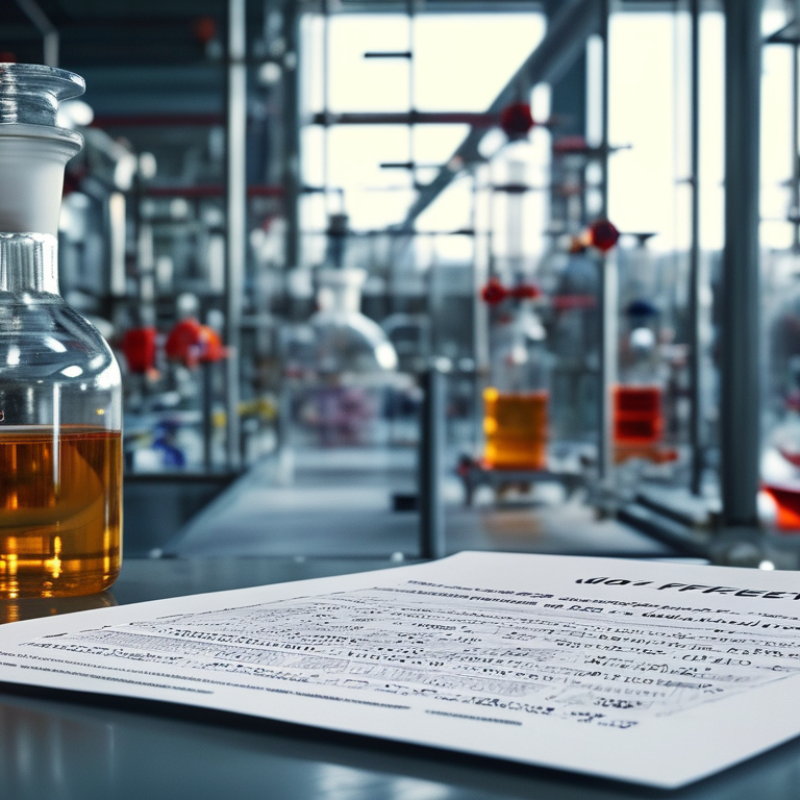
How to Effectively Read a Certificate of Analysis for Fine Chemicals?

Understanding the Purpose of a Certificate of Analysis in Fine Chemicals

A Certificate of Analysis (CoA) is crucial in the fine chemicals industry. It assures users that the product meets specific quality standards and regulatory requirements. Understanding its details can help in verifying product integrity and safety.

Reviewing the CoA should be methodical. Look at the specifications, including product identity, purity, and any contaminants. Pay attention to the testing methods used, as this indicates the reliability of the results. For instance, high-performance liquid chromatography (HPLC) is often employed for purity analysis. This method is trusted due to its precision.

When examining the CoA, keep these points in mind. Always check the date of issue. Outdated certificates may not reflect current quality. Cross-reference the listed specifications with your requirements. If something seems off, engage with the supplier for clarification. Trust your instincts; any inconsistencies require deeper investigation.

Key Components of a Certificate of Analysis Explained

When reviewing a Certificate of Analysis (CoA) for fine chemicals, understanding its key components is crucial. A CoA typically includes specific details such as the product name, batch number, and manufacturing date. These elements help you verify the identity and provenance of a chemical. Without this verification, there could be serious consequences in your work. Moreover, the CoA outlines the analytical methods used to test the product. Knowing these methods enhances your ability to trust the results presented.

Another important aspect is the results section. Here, you'll find numerical values and acceptance criteria. Make sure to check whether the results fall within the specified limits. In some cases, discrepancies might arise, prompting further investigation. A thorough review may reveal past inconsistencies in testing or variations in chemical purity. These details can inform future purchasing decisions and quality assessments.

Lastly, be attentive to any remarks or notes on the CoA. This section can provide crucial insights about storage conditions or safety recommendations. Ignoring these can lead to improper handling or application of the chemical product. While navigating a CoA might seem straightforward, each detail deserves careful consideration.

Interpreting Test Results and Specifications in Fine Chemicals

Understanding test results and specifications is crucial in fine chemicals. A Certificate of Analysis (CoA) provides data on a substance’s purity and composition. For instance, impurities might range from 0.1% to 5%, which can influence the final product's performance. These specifics can affect critical applications, especially in pharmaceuticals and agrochemicals.

When interpreting the results, pay attention to each parameter. For example, the pH level should be within a narrow range for many applications. A deviation might indicate potential instability in formulations. According to industry reports, nearly 15% of fine chemical batches do not meet their specifications, leading to costly rework. This highlights the importance of thorough analysis and understanding.

Additionally, consider the testing methods used. Different laboratories might have varying standards. For instance, High-Performance Liquid Chromatography (HPLC) is a common method for assessing purity. But, relying solely on one test may not provide a full picture. Each step in evaluating a CoA requires diligence and expertise. An accurate reading can prevent significant issues down the road.

Assessing the Importance of Traceability and Compliance

When it comes to fine chemicals, traceability is paramount. According to a recent report from the International Organization for Standardization, about 70% of chemical production disruptions stem from lack of traceability. This statistic underscores the importance of meticulous documentation. Each Certificate of Analysis (CoA) holds vital information that not only verifies product quality but also assures compliance with regulatory standards. Understanding this can significantly impact supply chain integrity.

Compliance is also crucial. Data from the American Chemical Society indicates that 60% of companies found compliance issues during audits. This suggests that firms often overlook key markers in their CoAs. An effective CoA not only reflects the product's specifications but also its batch history. Without this, companies may face increased risks of recalls or even financial penalties.

Reflecting on the industry’s challenges, one can't underestimate the need for continual improvement in reading CoAs. Many professionals still fail to grasp the full implications of the data presented. This oversight can lead to adverse outcomes. Implementing ongoing training could enhance understanding and improve compliance rates, helping organizations navigate the complexities of fine chemical production more confidently.

Common Pitfalls to Avoid While Reading a Certificate of Analysis

When examining a Certificate of Analysis (COA) for fine chemicals, certain pitfalls can hinder accurate interpretation. One common mistake is overlooking the significance of batch numbers. Accurate tracking of batch numbers ensures traceability. Without this, discrepancies in quality can remain unnoticed. According to a report by the American Chemical Society, nearly 30% of quality issues stem from improper batch tracking.

Another area of concern is the misunderstanding of purity levels. Many professionals mistakenly focus solely on the percentage but neglect the context. For instance, a compound might show 95% purity, but if the impurities include toxic substances, the real risk can be overlooked. The Journal of Fine Chemicals highlights that about 40% of tested samples failed safety evaluations due to unlisted impurities.

Reading the analytical methods section requires careful attention as well. Misinterpretation of testing methods can lead to incorrect assumptions about compound stability or reactivity. Often, users assume standard testing methods apply universally. This should be avoided as methodologies can vary widely. A study published in the International Journal of Analytical Chemistry revealed that 25% of discrepancies in chemical assessments came from misreadings of analytical standards.

Analysis of Common Pitfalls in Reading Certificates of Analysis

FAQS

: What is a Certificate of

nalysis (CoA)?

Why is purity important in fine chemicals?

Impurities can range from 0.1% to 5%, affecting product performance.

How does pH level impact chemical applications?

pH must be within a narrow range. Deviations can indicate formulation instability.

What percentage of fine chemical batches fail to meet specifications?

Nearly 15% of batches do not meet specifications, leading to costly rework.

What is the role of traceability in fine chemicals?

Traceability helps avoid production disruptions. It ensures quality and compliance.

Why do companies face compliance issues?

About 60% of companies have compliance issues during audits, often missing key markers.

What common mistake occurs when reading a CoA?

Overlooking batch numbers can lead to untracked quality discrepancies.

What should professionals consider about purity levels?

They should understand the context behind purity percentages, not just the numbers.

What is a common pitfall in interpreting testing methods?

Assuming standard methods apply universally can lead to incorrect assumptions about results.

How can misunderstandings in CoA readings affect outcomes?

Misinterpretations can cause safety risks and compliance failures, potentially leading to recalls.

Conclusion

Understanding how to read a certificate of analysis for fine chemicals is crucial for ensuring compliance and quality assurance in chemical handling. The certificate serves as a vital document that outlines the specifications and test results of a product, highlighting the essential components such as the batch number, testing methods, and results. By comprehensively interpreting these details, professionals in the industry can assess the suitability of a chemical for its intended application.

In addition, it's important to consider the significance of traceability and compliance, as these factors ensure that the fine chemicals meet regulatory standards. However, readers should be aware of common pitfalls when analyzing these certificates, such as misunderstanding technical jargon or overlooking critical results. Mastering these elements will enhance one’s ability to confidently assess fine chemical products.

Liam

Liam

Liam is a dedicated marketing professional with a profound expertise in the industry, where he excels at highlighting the unique advantages of our core products. With a keen understanding of market trends and consumer needs, Liam frequently updates our company’s professional blog, providing......