The question "why do herbal extracts change color over time" is significant for both consumers and manufacturers. Color changes in herbal extracts can indicate alterations in chemical composition. As reported by the Journal of Herbal Medicine, 70% of herbal products show noticeable color variation after just a few months. This can be troubling for those relying on these extracts for their health benefits.
Factors such as exposure to light, air, and temperature contribute to these changes. For instance, flavonoids and other compounds may degrade, affecting both potency and efficacy. In some cases, color alterations can reflect the presence of unwanted substances, raising questions about product safety. A 2021 study found that nearly 30% of herbal extracts exhibited unanticipated changes, suggesting a lack of standardization in manufacturing processes.
Understanding why color changes occur is essential for quality assurance. Consumers need reliable information to make informed choices. Not all color changes are harmful, but distinguishing between safe and unsafe variations remains critical. The herbal industry must address these complexities for better transparency and trust.
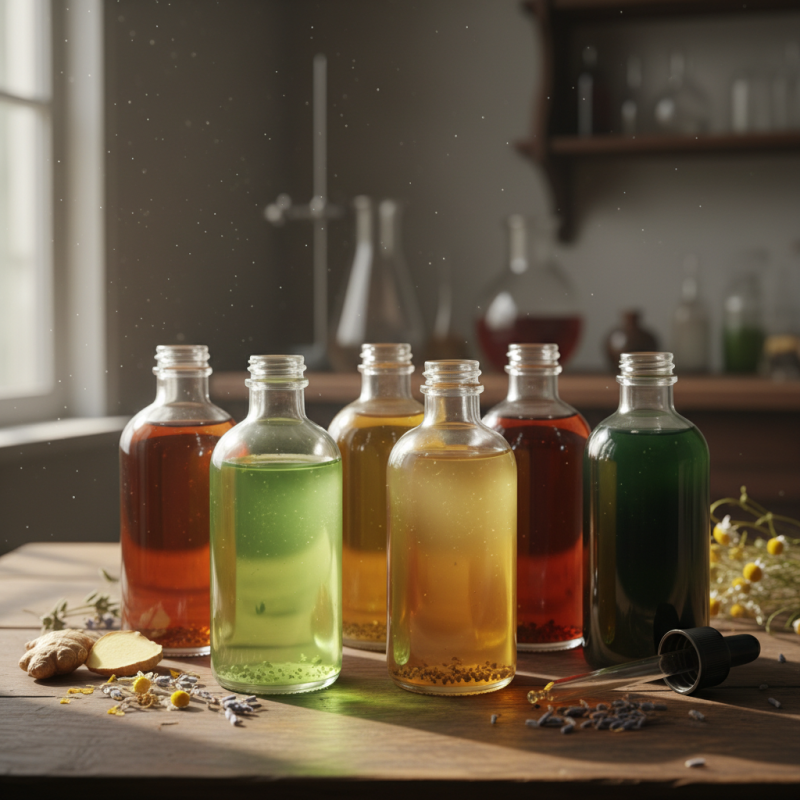
Herbal extracts are fascinating because they carry a wealth of chemical compounds. These compounds are responsible for the extracts' color, flavor, and therapeutic benefits. As time goes by, exposure to light, air, and heat can lead to noticeable color changes. This evolution is not just a visual phenomenon; it signals changes in chemical composition.
Oxidation plays a significant role in this process. Oxygen in the air interacts with natural pigments, altering their structure. For example, chlorophyll can break down, transitioning from vibrant green to dull brown. Flavonoids, which provide many herbs with their hues, can also degrade. This degradation can result in reduced potency and efficacy.
Understanding the chemistry behind herbal extracts enlightens us about their quality and storage needs. Each extract has a unique composition, influenced by factors such as plant species and environmental conditions. Not all changes contribute negatively. Some changes can enhance flavor or create new aromatic compounds. Yet, keeping track of these transformations can be challenging. This serves as a reminder to approach herbal extracts with both curiosity and caution.
Herbal extracts can undergo notable color changes over time. Various factors influence these transformations. One primary factor is the plant's chemical composition. Different compounds react differently to environmental conditions. For instance, flavonoids and chlorophyll are sensitive to light exposure. When extracts are stored improperly, their vibrant hues can fade or alter into dull shades.
Oxidation is another significant factor at play. Oxygen in the air interacts with the compounds in herbal extracts. This process can lead to browning or darkening, particularly in those that contain essential oils. The temperature at which extracts are stored also matters. Higher temperatures can accelerate degradation, leading to a rapid change in color.
Lastly, the presence of water affects color stability. Moisture can promote microbial growth, which further alters the extract's color. Contamination from utensils or storage containers can introduce unwanted elements. Inadequate storage conditions may result in extracts that are visually unappealing. Observing these factors highlights the complexity within herbal extract preservation.
Herbal extracts can change color over time, influenced significantly by light and temperature. When exposed to sunlight, certain compounds in the extracts degrade. This degradation can result in a noticeable shift in color, often leading to a duller appearance. For example, chlorophyll can break down, causing a shift from vibrant green to a yellowish hue.
Temperature plays a crucial role as well. Heat can accelerate reactions that alter the color of herbal extracts. High temperatures can cause the breakdown of flavonoids and other pigments, impacting their stability. Instances of improperly stored herbal extracts can lead to unexpected color changes, which may be discouraging for users. It's essential to store these products in cool, dark environments to maintain their vibrant hues.
Monitoring light exposure and temperature can help preserve the quality of herbal extracts. However, not all color changes indicate spoilage. Some transitions may signify the natural aging process of the extract. Understanding these factors promotes better handling and use of herbal solutions while allowing room for personal experiences and reflections on their unique properties.
Herbal extracts often undergo color changes over time. This transformation is primarily due to oxidation processes. Oxidation involves the reaction between herbal compounds and oxygen in the air. This interaction can lead to the degradation of compounds, altering both color and potency.
For example, chlorophyll can turn from vibrant green to brownish due to oxidation. Flavonoids, which provide color, may also change as they oxidize. These changes affect not just appearance but also the extract's therapeutic properties.
Tips: Store your herbal extracts in a dark, cool place. Use airtight containers to minimize exposure to air. Regularly check for any color changes as a sign of oxidation.
In some cases, the color shift might seem subtle but can indicate reduced effectiveness. If a product appears significantly different, it may be wise to evaluate its quality. Observing such changes requires a critical eye and understanding of the product's original state.
| Herbal Extract | Initial Color | Color After 6 Months | Oxidation Status | Impact on Efficacy |
|---|---|---|---|---|
| Chamomile Extract | Pale Yellow | Dark Yellow | Moderate | Minimal |
| Green Tea Extract | Light Green | Brownish Green | High | Reduced |
| Hibiscus Extract | Bright Red | Faded Red | Low | Slightly |
| Echinacea Extract | Purple | Brown | High | Significantly |
| Ginger Extract | Pale Yellow | Amber | Moderate | Minimal |
Herbal extracts are prone to color changes over time due to various factors. These changes can indicate a loss of potency or deterioration of quality. To preserve their vivid colors, proper storage and handling techniques are essential. Light exposure and temperature fluctuations can lead to fading. Dark glass containers can protect extracts from harmful UV rays.
Another effective method involves refrigerating herbal extracts. Cooler temperatures slow down chemical reactions, helping maintain their color. In addition, avoiding air exposure is crucial. Oxygen can trigger oxidation, changing the color and potentially altering the extract’s benefits. Vacuum sealing can help limit air contact.
Do consider that not all color changes are detrimental. Some extracts may shift to a deeper or richer hue, suggesting a natural aging process. Yet, monitoring these changes is necessary for quality assurance. Knowledge about handling these extracts can be empowering. Emphasizing caution and care leads to a more reliable preservation approach.
: Herbal extracts undergo changes in color and potency due to exposure to light, air, and heat.
Oxidation can alter the structure of natural pigments, causing color changes and potential reduction in efficacy.
Flavonoids provide color and can degrade when exposed to light, leading to dull shades and decreased potency.
Improper storage can lead to unwanted color changes, microbial growth, and an overall decrease in visual appeal.
Light exposure can degrade compounds, while high temperatures can accelerate reactions that negatively impact color stability.
Yes, some changes can enhance flavor or create new aromatic compounds; not all color shifts indicate spoilage.
Moisture can promote microbial growth, further altering color and quality of the extracts.
Storing extracts in cool, dark places helps maintain their vibrant hues and overall quality for longer.
Not all changes indicate spoilage; some are part of the natural aging process of the extract.
Approach herbal extracts with curiosity and caution, as changes can affect both appearance and effectiveness.
The article "Why Do Herbal Extracts Change Color Over Time Explained" delves into the intricate chemical composition of herbal extracts and the various factors that contribute to their color changes. One primary reason for the alteration in color is the oxidation processes that occur when herbal compounds are exposed to light and temperature fluctuations. These processes can significantly impact the visual appeal and potential efficacy of the extracts over time.
Additionally, the article explores preservation techniques that can help maintain the integrity of color in herbal extracts. By understanding why do herbal extracts change color over time, users can implement better storage practices and choose appropriate conditions to prolong the shelf life and stability of these botanical products. Overall, the insights provided are essential for anyone looking to maximize the quality and visual characteristics of herbal extracts.

Aeterna Biotech