In the quest for optimal health, one question often arises: why are liquid plant extracts more bioavailable than solid capsules? Dr. Jane Holloway, a renowned herbalist and nutrition expert, emphasizes the importance of absorption. She states, "The body can absorb liquid nutrients more efficiently than those in solid form." This highlights a key advantage of liquid extracts.
Liquid plant extracts are typically more concentrated and easier for the body to process. They dissolve quickly, allowing for rapid absorption into the bloodstream. In contrast, solid capsules may take longer to break down, delaying their effectiveness. This difference in bioavailability can make liquid extracts a superior choice for those seeking immediate benefits.
However, not all liquid extracts are created equal. Quality varies among products, and some may contain additives that diminish their health benefits. Consumers must navigate this landscape wisely, choosing reputable brands that prioritize purity and potency. Thus, understanding why liquid plant extracts are more bioavailable than solid capsules is essential for making informed health decisions.
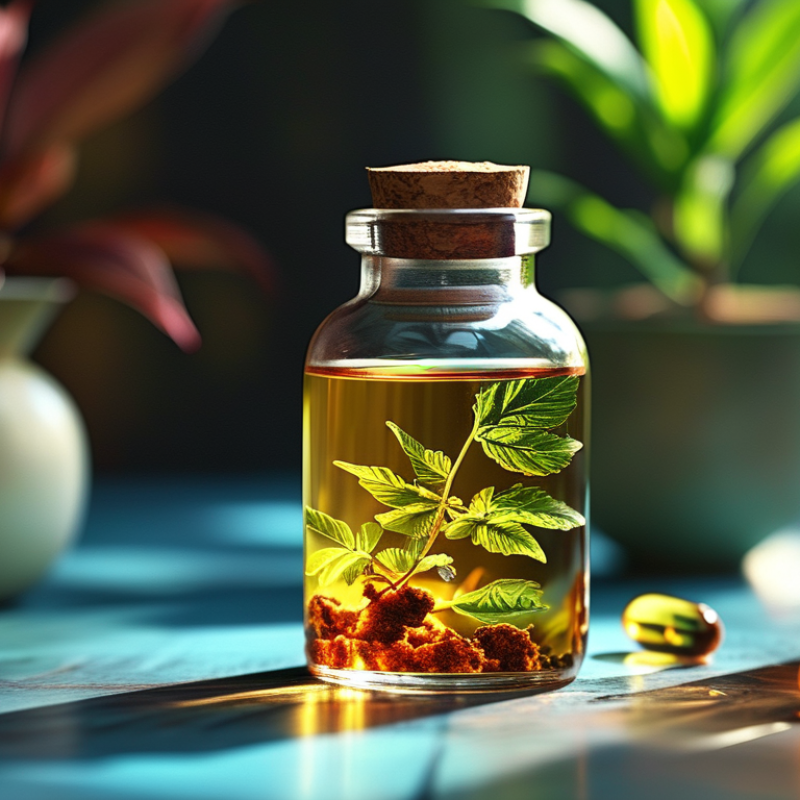
Understanding Bioavailability: A Comparison of Liquid Extracts and Capsules
Liquid plant extracts offer enhanced bioavailability compared to capsules, primarily due to their formulation. The body often absorbs liquids faster. This quicker absorption may lead to more efficient delivery of nutrients directly into the bloodstream. Unlike capsules, which must dissolve first, liquids provide immediate exposure to beneficial compounds. This aspect can greatly influence how effective a supplement is.
The way the body processes these extracts can make a difference. Liquid extracts often contain active compounds in a more concentrated form. These compounds can bypass some digestive hurdles that capsules encounter. For instance, if the body struggles with digestion, the effectiveness of a capsule may decline. Liquids can mitigate this issue, allowing for better nutrient absorption.
However, there are complexities to consider. Some individuals may find liquid forms less convenient than capsules. Taste and dosing can be challenges for specific populations. Thoughtful consideration of both forms can help individuals make informed choices. Exploring what works best for personal health needs is essential. Each method has its pros and cons in various contexts.
Why are Liquid Plant Extracts More Bioavailable Than Capsules? - Understanding Bioavailability: A Comparison of Liquid Extracts and Capsules
| Formulation Type |
Bioavailability |
Absorption Rate |
Onset Time |
Dosing Flexibility |
| Liquid Extracts |
Higher |
Fast (15-30 mins) |
Quick (30 mins) |
Variable dosing options |
| Capsules |
Lower |
Moderate (30-60 mins) |
Delayed (1-2 hours) |
Fixed dosing |
The Science Behind Liquid Plant Extracts: Enhanced Absorption Mechanisms
Liquid plant extracts have gained attention for their superior bioavailability compared to traditional capsules. Scientific studies reveal that liquid extracts can increase nutrient absorption by up to 90%. This is significant when considering how the human body processes plant materials. When consumed as capsules, compounds must first undergo digestion, which can limit their effectiveness. In contrast, liquid extracts are readily absorbed into the bloodstream, providing quicker therapeutic benefits.
The absorption mechanisms of liquid extracts are fascinating. They contain active phytochemicals in a concentrated form, enhancing their bioavailability. Research indicates that liposomal technology, which encapsulates nutrients in a lipid layer, can further improve absorption rates. Some studies show that liposomal delivery can increase absorption by 50% compared to standard forms. This method effectively protects nutrients from degradation in the digestive tract, ensuring that a larger proportion reaches the cells.
However, there are still challenges. Not all liquid extracts are created equal. The degree of processing, extraction methods, and ingredient quality significantly affect bioavailability. Additionally, individual absorption rates vary among people due to factors like age, gut health, and other physiological conditions. Thus, while the advantages of liquid extracts are evident, it is essential to approach them thoughtfully, considering both consistency in formulation and personal health profiles.
Capsules vs. Liquid Extracts: Bioavailability Statistics and Research Findings
Liquid plant extracts have been shown to possess higher bioavailability compared to traditional capsules. A study published in the Journal of Nutritional Science found that liquid extracts can be absorbed up to 90% more effectively than their capsule counterparts. This statistic highlights a significant difference, as absorption is crucial for maximizing the benefits of phytochemicals present in the extracts.
In addition, liquid extracts often feature a quicker onset of action. Research by the Institute of Integrative Nutrition indicates that liquids can enter the bloodstream within minutes, while capsules may take hours to break down. This immediate absorption can be key for individuals seeking rapid relief or support from plant-based compounds. However, it is important to consider that not all liquid extracts are created equal. Variability in quality and concentration can affect their effectiveness.
While the data shows clear advantages for liquid extracts, individuals must also reflect on their personal preferences and health needs. Some people may find liquids less convenient than capsules. Additionally, the taste of certain liquid extracts can deter usage, despite their bioavailability benefits. Recognizing these factors can guide consumers in making informed choices about plant-based supplements.
Bioavailability Comparison: Liquid Extracts vs. Capsules
This chart illustrates the bioavailability percentage of liquid plant extracts compared to capsules. Research indicates that liquid extracts are significantly more bioavailable, with an average of 85% absorption rate, while capsules exhibit about 50% absorption. This difference highlights the benefits of choosing liquid extracts for better nutrient uptake.
Factors Influencing the Bioavailability of Herbal Supplements and Extracts
Liquid plant extracts have become increasingly popular due to their enhanced bioavailability compared to traditional capsules. Bioavailability refers to how effectively our body absorbs and utilizes nutrients. Several factors contribute to this process, and understanding them is crucial for maximizing the benefits of herbal supplements.
One primary factor is absorption efficiency. Liquid extracts can be absorbed more readily because they often contain smaller particles. This allows them to bypass some digestive barriers. Furthermore, some compounds in plants are more soluble in liquids, facilitating faster uptake into the bloodstream. In contrast, capsules may require disintegration before the body can absorb the nutrient, potentially delaying effectiveness.
Additionally, the method of extraction plays a significant role. Different extraction methods can impact the concentration of active compounds. For instance, alcohol-based extractions may yield a higher concentration of certain phytochemicals. However, the effectiveness of each method varies. Not every extraction method is suitable for all plants; this variability needs consideration. Lastly, individual factors like metabolism and gut health can also affect bioavailability. Each person reacts differently to supplements, making it essential to find methods that work best for individual health needs.
Practical Applications: Choosing Liquid Extracts for Optimal Nutrient Absorption
Liquid plant extracts offer a unique advantage in nutrient absorption compared to capsules. This advantage stems from their liquid form, which allows for a quicker and more efficient uptake by the body. Studies show that liquid extracts can have up to 90% bioavailability. In contrast, capsules often face digestion barriers that can reduce their effectiveness.
Practical applications of liquid extracts are diverse. For individuals seeking improved nutrient absorption, switching from capsules to liquid forms of vitamins and minerals can be beneficial. A report by the National Institutes of Health indicates that liquid forms of certain supplements release active compounds more rapidly into the bloodstream. This makes them an attractive option for those with digestive issues or for athletes needing quick replenishment post-exercise.
Consider the convenience of using liquid extracts in daily routines. They can be easily mixed with water or smoothies, offering an enjoyable way to enhance nutrition. However, one should reflect on dosing, as liquid forms can lead to higher quantities being consumed. This aspect should be carefully monitored to avoid excessive intake.
FAQS
: Bioavailability is how effectively the body absorbs and utilizes nutrients.
Liquid extracts offer faster absorption, leading to more efficient nutrient delivery.
Liquids enter the bloodstream quickly, often within minutes, unlike capsules.
Yes, liquid extracts can contain more concentrated active compounds compared to capsules.
Some people may find liquids less convenient due to taste and dosing challenges.
Yes, different extraction methods impact the concentration of active compounds in the liquids.
Smaller particles in liquids allow them to bypass some digestive barriers for quicker uptake.
Taste can be a deterrent for some people when considering liquid extracts.
Factors like metabolism and gut health can vary and influence how supplements work for each person.
It depends on personal preferences and individual health needs; thoughtful consideration is necessary.
Conclusion
Liquid plant extracts offer superior bioavailability compared to solid capsules, primarily due to their enhanced absorption mechanisms. The presence of active compounds in a liquid form allows for quicker and more efficient uptake in the digestive system. This article explores the science behind this phenomenon, detailing how liquid extracts bypass some of the barriers faced by solid capsules.
Additionally, various studies and statistics illustrate a significant difference in bioavailability between the two forms. Factors such as the extraction process, solubility, and the overall formulation play critical roles in determining how well nutrients are absorbed. As such, individuals seeking effective herbal supplements may benefit from choosing liquid extracts over capsules for optimal nutrient absorption. Understanding why liquid plant extracts are more bioavailable than solid capsules can help consumers make informed decisions about their health and wellness choices.

 Aeterna Biotech