In the rapidly evolving landscape of food safety, understanding what regulations govern food additive safety is crucial. The global food industry utilizes thousands of additives to enhance flavor, color, and shelf life. According to the Food and Agriculture Organization (FAO), over 1,800 food additives are permitted for use in various countries. However, the regulations surrounding these substances can vary significantly from one region to another.
Dr. Jane Smith, a leading expert in food safety regulations, emphasizes that "consistent and transparent regulation is vital for consumer protection." Her insight highlights a fundamental truth: while some governments impose strict safety assessments, others may have looser standards. This inconsistency raises concerns about the safety of food products in the global market.
In recent years, reports from the European Food Safety Authority (EFSA) have illustrated that consumers are increasingly aware of and concerned about food additives. Despite the rigorous regulations in Europe, challenges remain in ensuring compliance. The balance between innovation in food technology and consumer safety is delicate and often fraught with complexities. Understanding the varying regulations is essential for stakeholders at all levels.
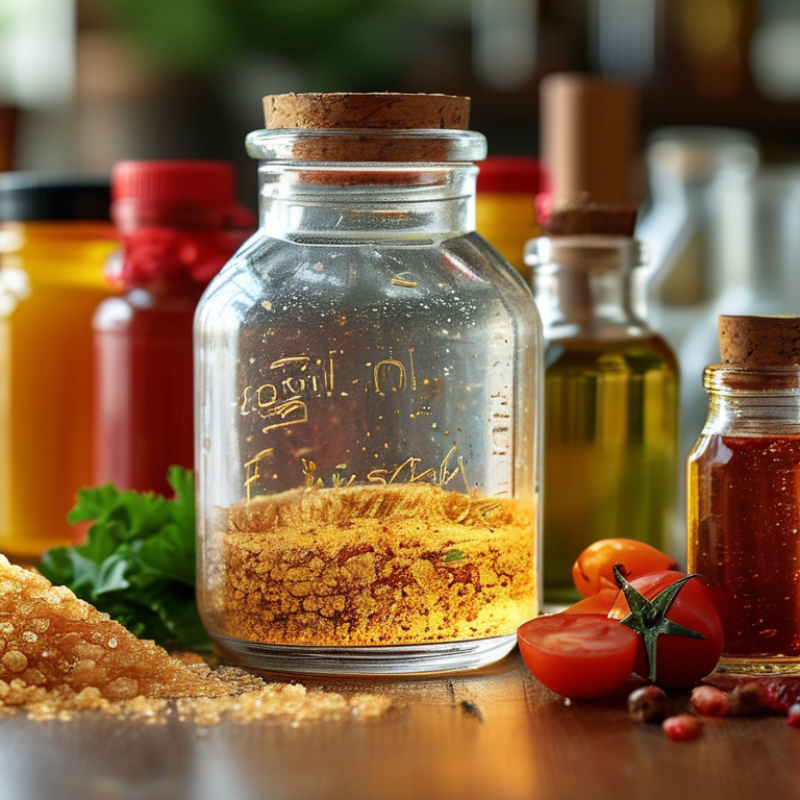
Food additives play a significant role in modern food production. They enhance flavor, preserve freshness, and improve appearance. However, regulations surrounding food additives vary widely around the globe. This discrepancy can lead to safety concerns due to differences in standards and testing protocols.
In the European Union, food additives are regulated under the European Food Safety Authority (EFSA). They require comprehensive safety assessments based on scientific data. In contrast, the United States employs a different framework through the Food and Drug Administration (FDA) which allows for Generally Recognized as Safe (GRAS) substances. Reports show significant disparities; for example, around 1,500 additives are allowed in the EU, while the FDA's database contains nearly 2,500. This gap could affect consumer safety and informed choices.
Countries such as Canada and Australia have also established robust regulatory bodies. The Canadian Food Inspection Agency (CFIA) and Food Standards Australia New Zealand (FSANZ) regulate food safety, including additives. Despite this, challenges remain. There are often calls for more transparency in food additive information, as consumers desire clearer labeling. Research indicates that about 70% of consumers are concerned about the long-term effects of certain additives. As food systems evolve, ongoing dialogue and improvements in regulation and transparency are essential for consumer safety and confidence.
| Region | Regulatory Body | Key Regulations | Approval Process | Allowed Additives Examples |
|---|---|---|---|---|
| North America | FDA | Federal Food, Drug, and Cosmetic Act | Pre-market safety evaluation and approval | Preservatives, color additives |
| European Union | EFSA | Regulation (EC) No 1333/2008 on food additives | Risk assessment followed by authorization | Sweeteners, emulsifiers |
| Asia | FAO/WHO | Codex Alimentarius Commission Standards | Guidelines on safety assessment | Flavor enhancers, stabilizers |
| Australia/New Zealand | FSANZ | Food Standards Australia New Zealand Act | Public consultation and scientific review | Acidity regulators, anti-oxidants |
| Latin America | Various National Agencies | Local regulations influenced by CODEX | Decentralized; varies by country | Thickeners, preservatives |
: Food additives enhance flavor, preserve freshness, and improve appearance in food products.
The European Food Safety Authority conducts comprehensive safety assessments based on scientific data.
The FDA allows substances deemed Generally Recognized as Safe (GRAS) to enter the market, based on prior safety studies.
Yes, the EU allows around 1,500 additives, while the FDA's database lists nearly 2,500.
About 70% of consumers are worried about the long-term effects of certain additives.
Clear labeling helps consumers make informed choices about the additives they consume.
No, some countries lack comprehensive frameworks, leading to potential safety gaps.
Japan employs strict testing procedures for food additives, ensuring consumer safety.
Inconsistent scientific evidence can lead to uncertainty about some additives' safety levels.
Ongoing research, collaboration, and dialogue among countries are vital for establishing uniform standards.
The article titled "What Regulations Govern Food Additive Safety Worldwide?" provides a comprehensive overview of the various regulatory frameworks that ensure the safety of food additives globally. It begins by highlighting the roles of key international organizations, such as the Codex Alimentarius Commission and the World Health Organization, which set important guidelines and standards. The article then delves into regional regulations that influence food additive safety, such as those implemented by the European Union and the United States.
Furthermore, the article discusses the risk assessment and approval processes that food additives undergo before they are deemed safe for consumption. It emphasizes the importance of stringent evaluations to protect public health. Lastly, the piece addresses emerging challenges faced by regulators, such as staying ahead of technological advancements and new ingredients. Overall, understanding what regulations govern food additive safety is crucial for ensuring consumer protection and maintaining food quality around the world.

 Aeterna Biotech