Enzymes are vital for various biological reactions, requiring careful handling to remain effective. Storing enzyme preparations properly is crucial for maintaining their activity. Knowing how to store enzyme preparations to maintain activity can significantly extend their shelf life and functionality.
Temperature, humidity, and light exposure play critical roles in enzyme stability. Enzymes often require refrigeration or freezing for optimal preservation. However, some enzymes are sensitive to extreme cold; thus, finding the right balance is essential. Identifying suitable containers that protect against moisture and contamination is equally important.
Regularly monitoring storage conditions is necessary to ensure enzymes retain their potency. Even slight variations in temperature or humidity can lead to decreased activity over time. It’s a complex process, demanding awareness of the specific needs of each enzyme. Ultimately, dedicated efforts to improve enzyme storage can lead to better outcomes in practical applications.
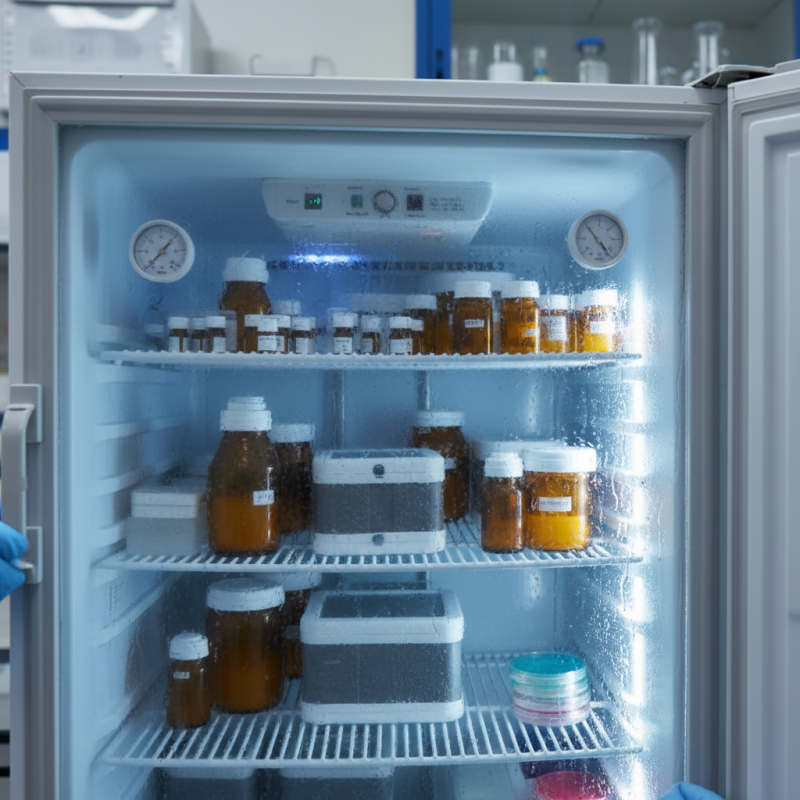
Choosing the right container for enzyme storage is crucial for maintaining their activity. Many enzymes are sensitive to temperature, light, and moisture. A study published in the Journal of Enzyme Science indicates that temperature fluctuations can reduce enzyme activity by up to 50% within a month. Therefore, selecting a stable environment is key.
When storing enzymes, opt for containers made of materials that provide good insulation. Glass or high-quality plastic containers are often recommended. These materials minimize interactions with the enzymes, ensuring their stability. Porous containers can lead to contamination and loss of activity.
Tips: Always label your containers with dates and enzyme types. Consider adding silica gel packets for moisture control. Regularly check the storage conditions to ensure they remain optimal. Enzyme preparations can be vulnerable; even minor changes in conditions can impact their effectiveness significantly. Understanding and implementing proper storage practices can make a valuable difference in enzyme performance.
Enzymes are sensitive biological catalysts that require specific conditions to remain active. Temperature plays a vital role in their stability. Most enzymes function optimally within a narrow temperature range, often between 20°C and 37°C. Beyond this range, their structural integrity can be compromised. Higher temperatures may lead to denaturation, where the enzyme loses its functional shape.
For long-term storage, lower temperatures are generally more favorable. Storing enzymes at -20°C or -80°C can significantly prolong their shelf life. However, freeze-thaw cycles should be avoided, as they can create stress that reduces enzyme activity. An ideal storage condition might include using a glycerol solution to stabilize enzymes during freezing.
It’s worth noting that individual enzymes can behave differently under varying temperature conditions. Some may tolerate fluctuations better than others. Moreover, it is essential to regularly check enzyme activity levels to ensure they remain effective. Is it possible that we rely too heavily on protocols? Experimentation and adaptation to your specific conditions may yield better results.
| Enzyme Type | Optimal Temperature (°C) | Storage Conditions | Shelf Life |
|---|---|---|---|
| Amylase | 4 - 8 | Refrigerated in a dark container | 12 months |
| Protease | -20 to -10 | Freezer, tightly sealed | 24 months |
| Lipase | -20 | Freezer, with desiccant | 18 months |
| Cellulase | 2 - 8 | Refrigerated, away from light | 12 months |
| Lactase | 4 | Refrigerated, airtight | 6 months |
Enzymes are sensitive to environmental conditions, especially pH. The activity of an enzyme can decline significantly when the pH shifts away from its optimal range. Each enzyme has a specific pH level where it functions best. For instance, pepsin thrives in acidic conditions, while trypsin requires a more neutral environment. Storing enzyme preparations at an inappropriate pH can diminish their efficacy and lifespan.
Adjusting the pH during storage is crucial. Buffered solutions can maintain a stable pH, preventing drastic changes that could impair enzyme activity. However, challenges remain. The buffering systems themselves may interact with the enzymes, altering their behavior. Regular monitoring of pH levels in storage is essential to ensure optimal conditions are sustained.
Users often overlook the impact of temperature alongside pH. High temperatures might enhance initial enzyme activity but can lead to protein denaturation over time. So, both temperature and pH require careful management. This dual focus is fundamental for achieving maximum enzyme activity in stored preparations. Making informed decisions about pH and temperature can ultimately enhance the effectiveness of enzyme applications in various fields.
Enzyme preparations are sensitive to contamination, which can significantly impact their activity. Proper handling techniques can minimize this risk. Always work in a clean environment. A sterile workspace prevents unwanted microbial interference. Regularly disinfect surfaces and equipment with appropriate solutions. This simple step can reduce contamination.
Use dedicated pipettes and tools for enzyme transfer. Mixing different substances can introduce foreign particles. Wear gloves to avoid direct contact with enzymes. Even skin oils can alter activity. Ensure that all materials are sterile before usage. It is easy to overlook a small detail, yet it can lead to major issues.
Storing enzyme preparations also requires caution. Use airtight containers to limit exposure to air and moisture. Label all samples clearly with date and contents. Checking for discolored or clumpy enzymes before use is crucial. Enzymes can degrade if stored improperly, leading to ineffective results. Rethink your storage processes regularly to improve outcomes.
When it comes to storing enzyme preparations, the method can greatly influence their activity. Short-term storage typically involves refrigeration. Enzymes stored at low temperatures can maintain their functionality for several weeks. However, temperature fluctuations can be damaging. Even a brief exposure to higher temperatures can lead to activity loss.
Long-term storage presents its own challenges. Freezing enzymes can preserve their activity for months or even years. Yet, repeated freeze-thaw cycles may denature the proteins. This can result in a significant decrease in enzyme activity. Using cryoprotectants can help mitigate this issue, but not all enzymes respond the same way to these additives.
Monitoring enzyme activity over time is key. Regular assessments can reveal any deteriorating performance. It's important to recognize that every enzyme has a unique sensitivity to storage conditions. This variability means that a one-size-fits-all approach may not work effectively. Understanding the specific needs of each enzyme can lead to better storage strategies and improved outcomes.
: Glass or high-quality plastic containers are preferred. They provide good insulation and minimize interactions.
Temperature fluctuations can reduce enzyme activity by up to 50% within a month. Maintaining stable conditions is crucial.
Consider adding silica gel packets in your containers. This helps maintain optimal moisture levels.
A sterile environment prevents microbial contamination, which can significantly affect enzyme activity.
Use dedicated pipettes and tools for transfers. Also, wear gloves to prevent direct contact with the enzymes.
Look for any discoloration or clumpiness. These signs indicate potential degradation or improper storage.
Always label containers with dates and enzyme types. This keeps track of freshness and usage.
Regularly reassessing storage practices can lead to improved performance and reduced risk of degradation.
Yes, even small changes can significantly impact enzyme effectiveness. Careful monitoring is essential.
Ignoring small details, like using unsterilized tools, can lead to major contamination issues. Be mindful.
Storing enzyme preparations effectively is crucial for maintaining their activity. To achieve this, it's important to choose the right container that minimizes exposure to light and air, which can degrade enzyme stability. Ideally, enzyme storage should occur at specific temperature conditions, typically in a cool environment, as elevated temperatures can lead to denaturation. Additionally, pH levels significantly influence enzyme activity, so maintaining an optimal pH during storage is essential.
To avoid contamination, proper handling procedures must be followed, ensuring sterility throughout the preparation process. When considering how to store enzyme preparations to maintain activity, it’s important to differentiate between long-term and short-term storage techniques. For short-term storage, refrigeration is often sufficient, while long-term storage may require freezing or lyophilization. By adhering to these guidelines, one can significantly enhance the longevity and efficacy of enzyme preparations.

Aeterna Biotech