In recent years, the demand for plant extracts has surged. According to a report by Grand View Research, the global herbal extract market is expected to reach USD 18.6 billion by 2025. As consumers become more health-conscious, understanding how to identify organic vs conventional plant extracts has gained importance.
Organic plant extracts are perceived as superior due to their production methods. They are free from synthetic pesticides and fertilizers. This distinction significantly affects not just taste but also nutrient quality. Studies indicate that organic extracts may offer higher antioxidant levels. However, the certification process for organic products is often complex and varying by region.
Today, recognizing the differences between organic and conventional extracts can be tricky. Many products are marketed without clear labeling. It's essential to know what certifications to look for. Many consumers overlook these aspects, leading to potential confusion. While organic extracts promote sustainability, the lack of standardization in labeling can mislead buyers. By understanding the nuances, consumers can make better-informed choices regarding their health and well-being.
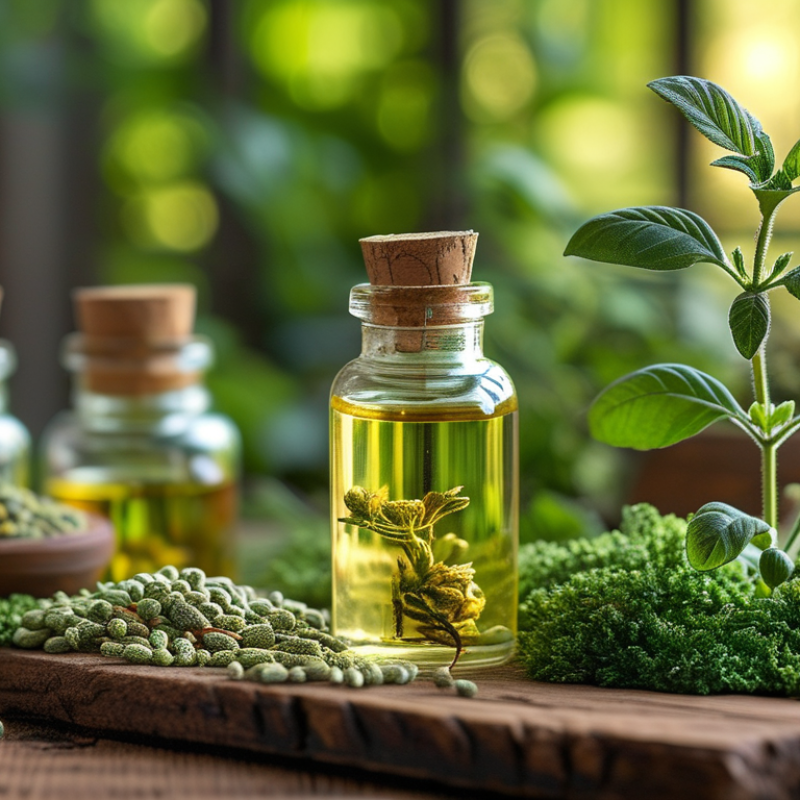
In the market, distinguishing between organic and conventional plant extracts is crucial for making informed choices. Organic extracts come from plants grown without synthetic pesticides or fertilizers. They support biodiversity and promote sustainability. In contrast, conventional extracts may involve synthetic interventions that can impact both health and the environment. Understanding these differences empowers consumers.
When purchasing plant extracts, look for certification labels. These indicate adherence to organic farming practices. Additionally, check the sourcing of the extracts. Transparent companies often share information about their farming methods and cultivation processes. This can provide insight into the quality and purity of the products.
Tips for choosing wisely: Research suppliers and read reviews. Look for third-party testing to ensure authenticity. Don’t hesitate to ask questions about production methods. Some conventional products may be cheaper but could compromise on quality. Choosing organic can be an investment in your health and the planet's future. Reflect on your priorities when selecting products that resonate with your values.
: Organic plant extracts come from plants grown without synthetic pesticides or fertilizers. They support sustainability.
Understanding these differences helps consumers make informed choices about health and environmental impacts.
Look for certification labels, check the sourcing, and seek transparency in farming practices from suppliers.
Common residues include glyphosate, chlorpyrifos, and neonicotinoids. These can linger after processing.
Contaminated extracts may lead to health issues, particularly in herbal remedies and supplements.
Prioritize suppliers who test for harmful substances and be wary of vague labeling.
Growing awareness of health and sustainability drives consumers to prefer organic products over conventional ones.
Some brands do not clearly label their products. Higher costs may also limit accessibility to organic options.
Many manufacturers have reformulated products, increasing the use of organic ingredients significantly this year.
Brands need to improve education about organic benefits and ensure transparency in their practices.
In the quest to understand how to identify organic vs conventional plant extracts, it is essential to recognize key factors that differentiate these two categories in the market. Organic plant extracts are typically certified through specific indicators, such as adherence to organic farming practices that avoid synthetic pesticides and fertilizers, which can lead to the presence of common pesticide residues in conventional extracts. Additionally, the health of the soil in which plants are grown plays a crucial role in shaping the nutritional profiles of these extracts, often enhancing the quality and benefits of organic options.
Consumer trends in 2023 have shown a growing demand for organic plant extracts, reflecting an increased awareness of health and environmental impacts. As consumers become more discerning, understanding these distinctions will empower them to make informed choices that align with their values and health goals. This comprehensive approach to identifying organic and conventional extracts not only supports smarter purchasing decisions but also promotes a shift towards sustainable agricultural practices.

 Aeterna Biotech