In the growing wellness industry, understanding product formulations is essential. Many consumers often ask, "what is the difference between plant extract and powder?" This distinction can significantly influence their choices. According to a report by the Global Wellness Institute, the herbal supplement market reached over $50 billion in 2022, highlighting the need for clarity on product sources.
Plant extracts are concentrated forms of the beneficial compounds found in plants. They are often achieved through methods like solvent extraction. In contrast, plant powders are typically made by grinding the whole plant into a fine consistency, preserving its original structure. Research from the Nutraceutical World indicates that extracts can be more potent than powders, offering higher bioavailability of active compounds.
However, the choice between extracts and powders is not always straightforward. Quality control varies across brands, and not all products are created equal. Factors like extraction methods and sourcing matter greatly. Consumers should be aware that while extracts may offer higher concentrations, they sometimes lack the complete spectrum of nutrients found in whole plant powders. Thus, it's crucial to evaluate product labels and research brand reputations carefully.
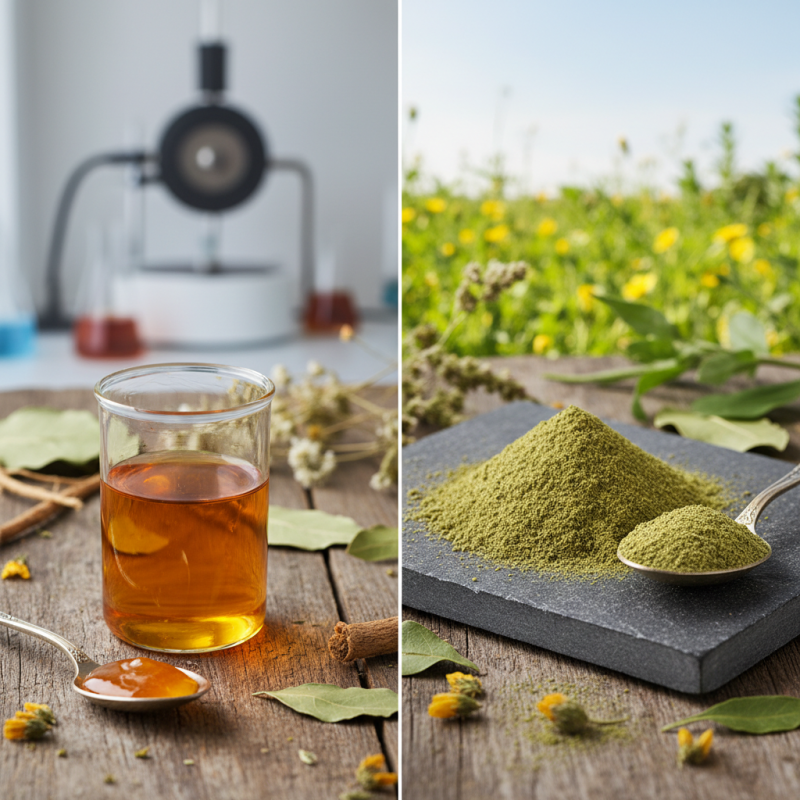
When comparing plant extracts and powders, their composition reveals notable differences. Plant extracts typically concentrate the active compounds found in the original plant. This means they can contain higher concentrations of beneficial phytochemicals. These extracts undergo specific processes, often involving solvents like alcohol or water. This extraction focuses on capturing the therapeutic properties.
In contrast, plant powders are made by grinding the whole plant or its parts into a fine consistency. This preserves the entire spectrum of nutrients and fiber. However, the concentration of specific compounds may be lower than in extracts. Mixing a powder in water or food may provide a more holistic experience. Yet, the absorption rate may vary.
These differences matter. A concentrated extract can offer immediate benefits for specific health needs. But powders promote a balanced intake of nutrients. This variety can suit different preferences and needs in health practices. It's essential to reflect on these choices and recognize that both forms have their place. Understanding one's goals can help in selecting the right option.
Extraction methods play a crucial role in determining the quality and efficacy of both plant extracts and powders. For instance, steam distillation is a common technique that captures essential oils, offering concentrated benefits. On the other hand, solvents like ethanol and water can extract different compounds, potentially influencing the final product's potency. Each method impacts the bioavailability of active ingredients, making it essential to choose wisely.
Tips: When selecting between extracts and powders, consider the extraction method used. Look for information on how the product was made. This can help you understand its effectiveness better. Remember, not all methods yield the same results.
Another aspect to consider is that whole-plant extracts may retain more beneficial compounds. Yet, powders can offer convenient dosing and a longer shelf life. However, the processing level can sometimes strip away vital nutrients. This highlights the importance of balancing convenience and quality when making choices in supplements or herbal remedies.
Tips: Always check for third-party testing. This ensures that the products meet safety and quality standards. Transparency in the extraction method can also reflect a brand's commitment to quality.
When discussing the bioavailability of plant extracts versus powders, the differences in absorption rates are significant. Plant extracts often contain concentrated active compounds. According to a study published in the Journal of Nutritional Biochemistry, extracts can enhance the bioavailability of certain phytochemicals by up to 300% compared to whole powder forms. This increased absorption can be crucial for therapeutic uses.
On the other hand, powders may retain a broader spectrum of nutrients. However, they often have lower bioavailability due to indigestible fibers. The Journal of Medicinal Food highlights that certain powders can only deliver around 10-20% of their active components effectively. This poses a challenge when aiming for specific health benefits. Optimizing the extraction process can bridge some gaps.
Yet, the extraction process itself has its pitfalls. Not all extraction methods maintain the integrity of sensitive compounds. Some methods might degrade these compounds, affecting overall effectiveness. Understanding these nuances is vital for consumers seeking to maximize health benefits. The decision between extracts and powders requires careful consideration of these factors.
| Dimension | Plant Extract | Plant Powder |
|---|---|---|
| Bioavailability | Generally higher due to concentration | Lower, requires larger dose |
| Concentration of Active Ingredients | High | Variable |
| Preparation Method | Extraction process | Grinding and milling |
| Form | Liquid or concentrated | Solid powder |
| Taste | More palatable in some cases | Grassy or earthy flavor |
| Mixability | Easier to mix in liquids | May clump or settle |
| Shelf Life | Variable, often shorter | Longer, less perishable |
| Cost | Typically higher | Generally lower |
| Usage | Often used in supplements | Common in cooking and baking |
| Environmental Impact | Extraction can be resource-intensive | Less intensive |
When choosing between plant extracts and powders, it's essential to consider their uses and applications. Extracts provide concentrated medicinal properties, making them ideal for therapeutic uses. For example, a herbal extract may deliver a higher potency of nutrients. This is particularly advantageous for creating tinctures or supplements. Powders, on the other hand, retain the plant’s full profile. They are excellent for culinary uses or smoothies, where blended flavors and textures matter.
**Tip:** If you're aiming for nutritional benefits, opt for extracts for specific health goals. For daily use in smoothies, powders are often a better choice.
Most people overlook the difference in how these forms are made. Extracts involve solvents that concentrate beneficial compounds. Powders are created by grinding the whole plant. This process means powders contain more fiber. Using powders often results in a more balanced nutrient intake.
**Tip:** Consider your health goals. If you need a boost, go for extracts. If you want overall wellness, powders may suit you better. Reflect on how you plan to use these products. Finding the right balance is crucial for your dietary needs.
This chart illustrates the top 10 differences between plant extracts and powders across various dimensions. Each category represents a key aspect of comparison, where values indicate the strengths of extracts (higher scores) versus powders (lower scores). This can help users decide which option is more suitable for their needs based on solubility, potency, absorption, and other factors.
When comparing plant extracts and powders, understanding their nutritional profiles is crucial. Plant extracts are concentrated forms. They often contain higher levels of specific active compounds. This means they can provide targeted benefits. For example, an extract may offer more antioxidants than its powdered counterpart.
Plant powders, on the other hand, include the whole plant material. They might yield a broader range of nutrients. This provides a more balanced nutritional profile. However, the concentrations of active ingredients may be lower. This can affect efficacy for specific health needs. Always consider your goals when choosing between them.
Tips: Pay attention to how each form fits into your diet. Moderation is key. A plant extract can provide intense benefits but should usually be consumed in smaller quantities. Conversely, powders can be easier to incorporate into meals. Be mindful of the quality of the sources. Not all options are created equal.
: Plant extracts concentrate active compounds, while powders preserve whole plant nutrients. Extracts offer more potency; powders offer balance.
Extraction methods determine the bioavailability of active ingredients. Steam distillation captures oils. Solvents may yield varied results in potency.
Extracts often deliver higher concentrations of active compounds, leading to targeted health benefits. Powders are typically less concentrated.
Yes, powders retain the whole plant material, offering a broad range of nutrients and fibers, promoting overall wellness.
Yes, knowing the extraction method helps understand effectiveness. Not all methods yield the same quality and potency.
Extracts may be taken in smaller doses for intense benefits. Powders are easier to add to meals, promoting convenient intake.
Processing can strip away vital nutrients in powders. Choosing high-quality sources helps in maintaining nutritional value.
Yes, both forms have their benefits. It's essential to reflect on personal health goals and preferences to choose wisely.
Very important. Third-party testing ensures safety and quality standards are met. Transparency builds trust in the effectiveness of products.
Consider the quality of sources and how the product fits into your diet. Moderation is key with concentrated extracts.
The article "Top 10 Differences Between Plant Extract and Powder" explores the various distinctions between plant extracts and powders, addressing critical aspects such as composition, extraction methods, and bioavailability. One of the key points discussed is what is the difference between plant extract and powder in terms of their nutritional profiles, with extracts often having a more concentrated set of active ingredients compared to powders.
Additionally, the article examines how different extraction methods can influence the quality and efficacy of each form, impacting absorption rates and ultimately, their therapeutic uses. Readers will gain insight into when to choose extracts over powders for specific applications, highlighting the importance of understanding these differences for nutritional and health-related decisions.

Aeterna Biotech