Processed food must survive real journeys, not just kitchen preparation. It may face heat, oxygen, moisture, pressure, and weeks of storage. This is where the question “why are food additives necessary in processed food” becomes practical. Preservatives can slow microbial growth, while antioxidants help protect oils from rancid flavors. Emulsifiers keep a creamy sauce stable instead of separating in the package. Colors, sweeteners, and texture agents can also improve consistency when ingredients change seasonally.
Safety comes first. The FAO/WHO Joint Expert Committee on Food Additives evaluates substances through toxicological evidence and establishes acceptable daily intakes when appropriate. The Codex General Standard for Food Additives then provides internationally recognized conditions for permitted uses. In Europe, EFSA’s ongoing re-evaluation program has reviewed additives according to updated scientific methods. China’s food additive framework, including GB 2760, specifies approved substances, food categories, and maximum-use levels. These systems matter because “natural” does not automatically mean safe, and “synthetic” does not automatically mean harmful.
Good manufacturers still need restraint. A technically permitted additive can be poorly chosen, overdosed, or hidden behind weak quality control. That risk deserves attention. In a Chinese factory, this may mean checking a 25-kilogram ingredient sack, verifying its batch certificate, and measuring a precise dose during mixing. Small errors can affect taste, shelf life, and consumer trust. The best food additives are therefore not simply cheap or powerful. They should be supported by safety assessments, transparent labeling, traceable suppliers, and disciplined production records. The topic deserves balance. Additives can protect food quality, but they cannot replace fresh ingredients, hygienic processing, or responsible nutrition.
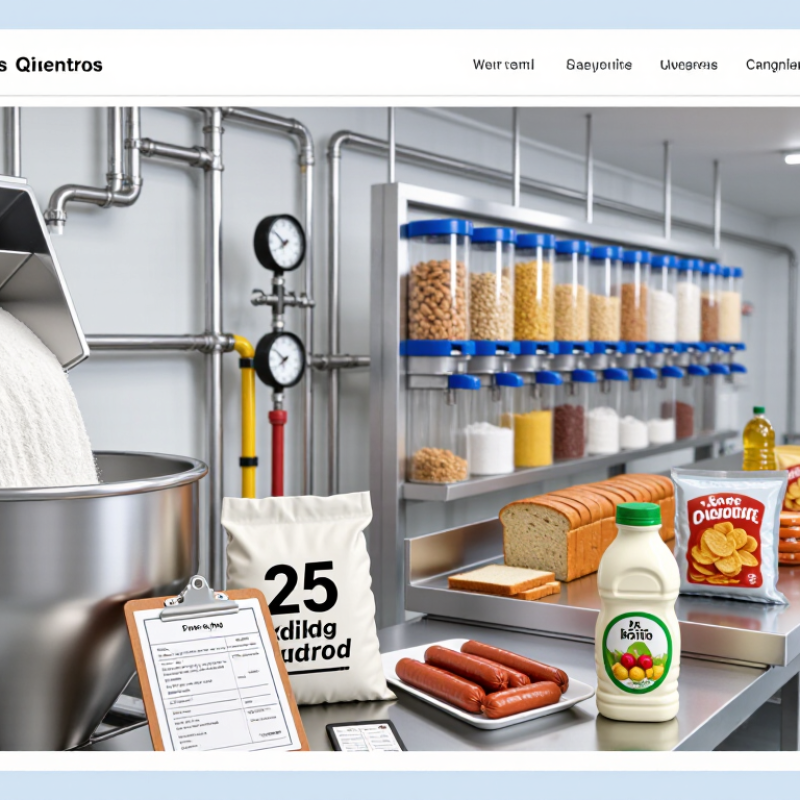
Food additives are substances added for a specific technological purpose. They may preserve freshness, improve texture, control acidity, or maintain color. Some come from natural sources, while others are produced through controlled manufacturing. In China, approved additives must meet safety requirements and follow national standards. Their necessity depends on the food, processing method, and storage conditions.
China commonly classifies additives by function, not simply by origin. Main groups include preservatives, antioxidants, colorants, sweeteners, emulsifiers, thickeners, acidity regulators, and raising agents. Processing aids form another practical category. The permitted list and use limits are described in GB 2760, China’s national food safety standard. Experts assess exposure, food categories, and proposed dosage before approval. Still, classification does not automatically mean unlimited use.
Tips: Read the ingredient list and compare additive names with their functions. Check the food category and stated usage level when evaluating compliance. A familiar name may still sound confusing. I also think consumers should question unnecessary complexity, because more additives do not always mean better quality. Manufacturers should document testing, supplier controls, and batch records. That evidence makes safety claims more reliable.
Why Are Food Additives Necessary in Modern Food Production?
Food additives support safety, stability, and consistent quality in modern food production. On a production line, temperature changes, oxygen, moisture, and transport time can quickly affect food. Preservatives may slow microbial growth, while antioxidants help protect oils from rancid flavors. Emulsifiers keep ingredients blended, even after storage and shaking. Small functions matter.
The World Health Organization estimates that contaminated food causes about 600 million illnesses and 420,000 deaths each year. This figure shows why controlled preservation and processing remain important. The Codex General Standard for Food Additives provides functional categories and maximum permitted use levels. Its scientific evaluations draw on expert work from the FAO/WHO Joint Expert Committee on Food Additives. Additives can also reduce waste when they extend a product’s usable life. The UNEP Food Waste Index Report 2024 estimated that 1.05 billion tonnes of food were wasted globally in 2022. However, additives are not a simple solution. Poor formulation, excessive use, or unclear labeling can weaken consumer trust. Some products may need fewer additives through better hygiene, packaging, refrigeration, or shorter supply chains. The practical question is not whether additives sound natural. It is whether each substance has a clear technological purpose, a suitable safety assessment, and a controlled amount. More is not better. Manufacturers should review real storage conditions, test finished products, and communicate usage honestly. Mistakes still happen. That is why independent verification and continuous review remain necessary.
In Chinese food manufacturing, additives support safety, texture, stability, and consistent taste. Common preservatives include sorbates and benzoates in tightly controlled applications. Antioxidants slow rancidity in oils, nuts, and baked foods. Acidity regulators manage sourness and microbial growth. Emulsifiers keep oil and water blended, while thickeners improve sauces, fillings, and drinks. Sweeteners and approved colors help products meet sensory expectations.
Small amounts matter.
China’s national standard GB 2760 and later official updates specify permitted substances, food categories, and maximum-use levels. National Health Commission materials list more than 2,300 additive varieties or permitted uses. That figure is useful, but it can mislead. Approval is not a license for unlimited use. Manufacturers must calculate exposure and verify purity through supplier documents and laboratory testing. The FAO/WHO Joint Expert Committee on Food Additives evaluates toxicology and establishes acceptable daily intakes. These limits consider body weight, so children and frequent consumers deserve extra attention. Professional industry reports often emphasize market growth, yet safety work must examine dose, labeling, and actual consumption. I would not call every additive necessary. Some formulations can use fewer. That is worth testing.
Food additives are not automatically harmful. Used correctly, they solve practical safety and quality problems.
Preservatives can slow microbial growth in sauces, bakery fillings, and ready-to-eat foods. This matters when products travel through warm warehouses or remain open during service. Antioxidants can protect oils from rancid flavors and unpleasant odors. Acidity regulators help control pH, which can limit certain pathogens. The result is not only longer shelf life. It is more predictable food.
In production, additives can stabilize texture during heating, cooling, transport, and storage. Emulsifiers help water and oil stay blended in dressings and beverages. Thickeners can prevent separation and create a consistent mouthfeel. Approved colors may restore appearance after processing, but they should never disguise spoilage. Safety depends on dosage, purity, and application. Reliable manufacturers test raw materials, maintain batch records, and follow approved use levels. They also check finished products for contaminants and labeling accuracy.
Still, “necessary” can be overstated. Not every product needs an additive. Some formulations use more than consumers expect. That deserves review. In China and other markets, responsible producers should assess each additive through scientific risk evaluation and documented quality controls. Buyers can ask for certificates, specifications, and traceability records. Clear labels help consumers make informed choices. Independent testing adds confidence, though testing alone cannot replace careful manufacturing. A safe additive is useful only when the entire process remains controlled.
China’s best food additives are not simply the most effective powders or preservatives. They are approved substances used for a clear technical purpose, such as improving texture, stability, colour, or shelf life. China regulates them through the Food Safety Law, national standards, and market supervision procedures. Standard GB 2760 lists permitted additives, food categories, and maximum use levels. These requirements can change, so manufacturers should verify the latest official edition.
Responsible use begins with risk assessment. Qualified food technologists should confirm the ingredient’s identity, purity, function, and acceptable intake. Production teams also need accurate weighing, controlled mixing, clean equipment, and batch records. Independent laboratories can test contaminants and confirm the final level. Labels must state additives according to applicable Chinese requirements. No shortcut is reliable.
Tips: Check the current GB 2760 requirements before purchasing. Match the additive to the correct food category. Keep supplier documents, test reports, and traceability records. Train workers to prevent dosing mistakes. A practical review by a qualified specialist is valuable.
In real factories, errors may occur during formula changes or manual measurement. That deserves attention, not concealment. “Natural” does not automatically mean safer, and “approved” does not mean unlimited. Responsible manufacturers review dosage, consumer exposure, and processing conditions together. They also reassess formulas when standards or scientific evidence develop. The system is strong, but human oversight still matters.
The chart shows the years of major editions of China’s mandatory national food additive standard, GB 2760, and the interval since the previous edition.
In China, food additives are regulated through mandatory national standards. GB 2760 specifies permitted additives, applicable food categories, and maximum use levels or residual limits. Responsible use requires manufacturers to use only approved substances, stay within the specified limits, follow labeling requirements, and apply good manufacturing practices. Safety evaluations are based on scientific risk assessment, including acceptable daily intake considerations where applicable.
Food additives are substances added for specific technical purposes. They may preserve freshness, improve texture, control acidity, or maintain color. Some come from natural sources. Others are carefully manufactured.
China mainly classifies additives by function. Common groups include preservatives, antioxidants, colorants, sweeteners, emulsifiers, thickeners, and raising agents. Processing aids are another practical group.
No. Approval does not permit unlimited use. Each additive must match a permitted food category and stated maximum level.
National food safety laws and standards list permitted additives, food categories, and maximum levels. Requirements may change, so manufacturers should check current official information.
They should confirm its identity, purity, function, and permitted dosage. They should also review consumer exposure and processing conditions. A qualified specialist can catch overlooked problems.
Manufacturers should keep supplier documents, test reports, weighing records, and batch information. Traceability matters. Clean equipment and controlled mixing also reduce mistakes.
Formula changes and manual measurement can cause dosing mistakes. Poor training may make the problem worse. Small weighing errors can affect the final product.
No. Natural origin does not automatically guarantee greater safety. “Approved” also does not mean unlimited or suitable for every food.
Read the ingredient list and consider each additive’s function. Check the food category and stated usage information when available. A familiar name may still be confusing.
Not necessarily. Extra additives may add complexity without improving the food. I may be overly cautious, but simpler formulas deserve consideration.
Food additives are substances intentionally added to food to preserve freshness, improve safety, enhance texture, maintain color, or provide consistent flavor and nutritional value. In China, they are generally classified by their functions, such as preservatives, antioxidants, sweeteners, emulsifiers, thickeners, coloring agents, and nutritional fortifiers. This classification helps producers select suitable additives for different food-processing needs while following approved usage standards.
Why are food additives necessary in processed food? Modern food production often involves transportation, storage, and large-scale manufacturing, so additives can help control spoilage, reduce quality loss, and maintain stable product characteristics. Commonly used additives may also improve texture, prevent separation, and support food safety when applied correctly. In China, responsible use requires approved substances, permitted food categories, specified limits, accurate labeling, and strict quality control. Additives should never replace proper hygiene or high-quality ingredients; instead, they should be used scientifically and cautiously to protect consumers and improve the overall reliability of processed foods.

Aeterna Biotech