Aeterna Biotech
1 / 5
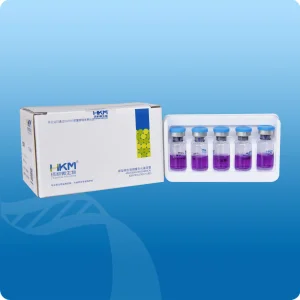
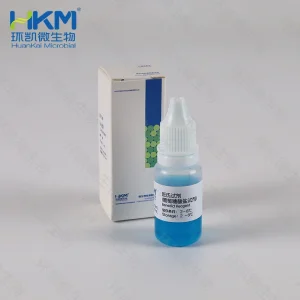
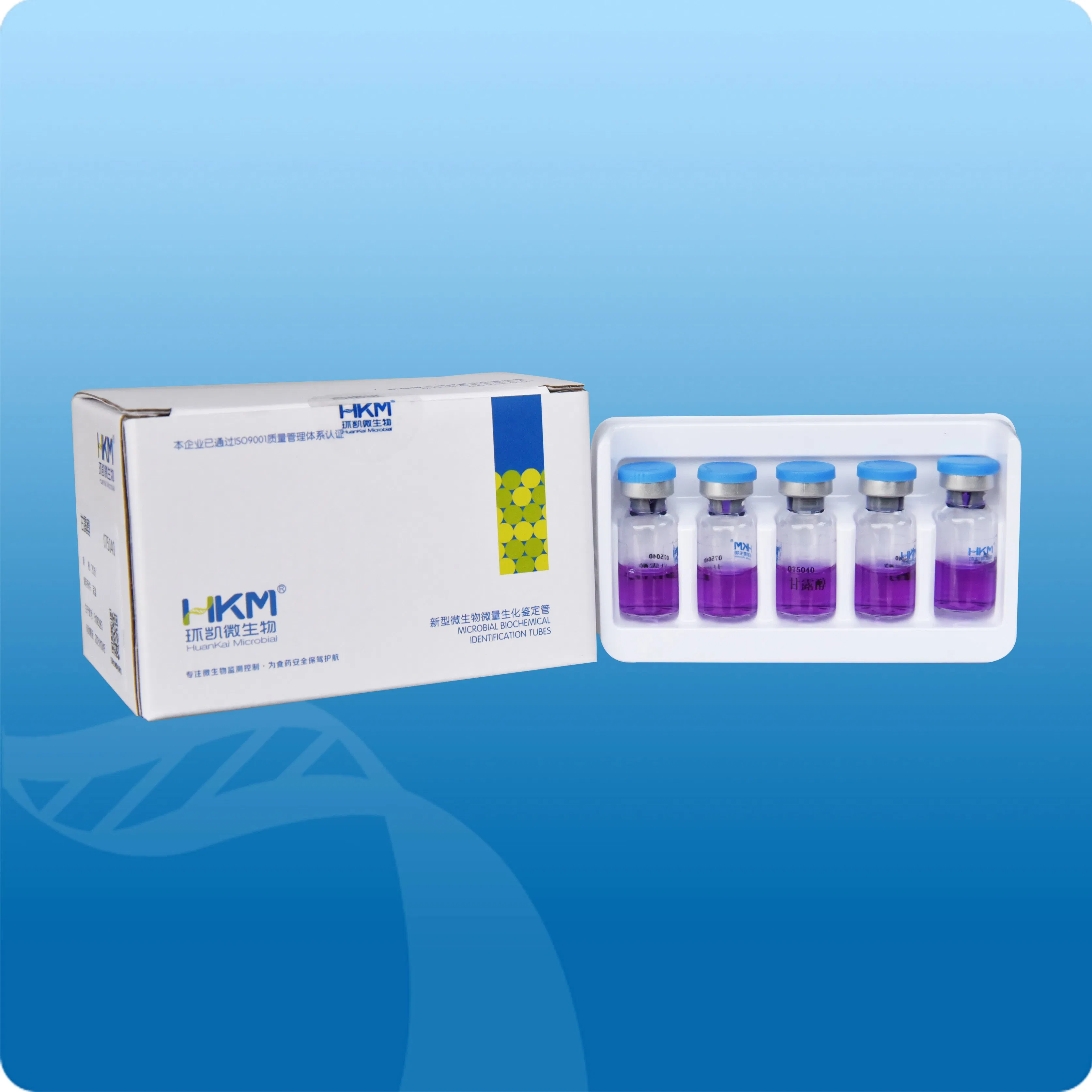
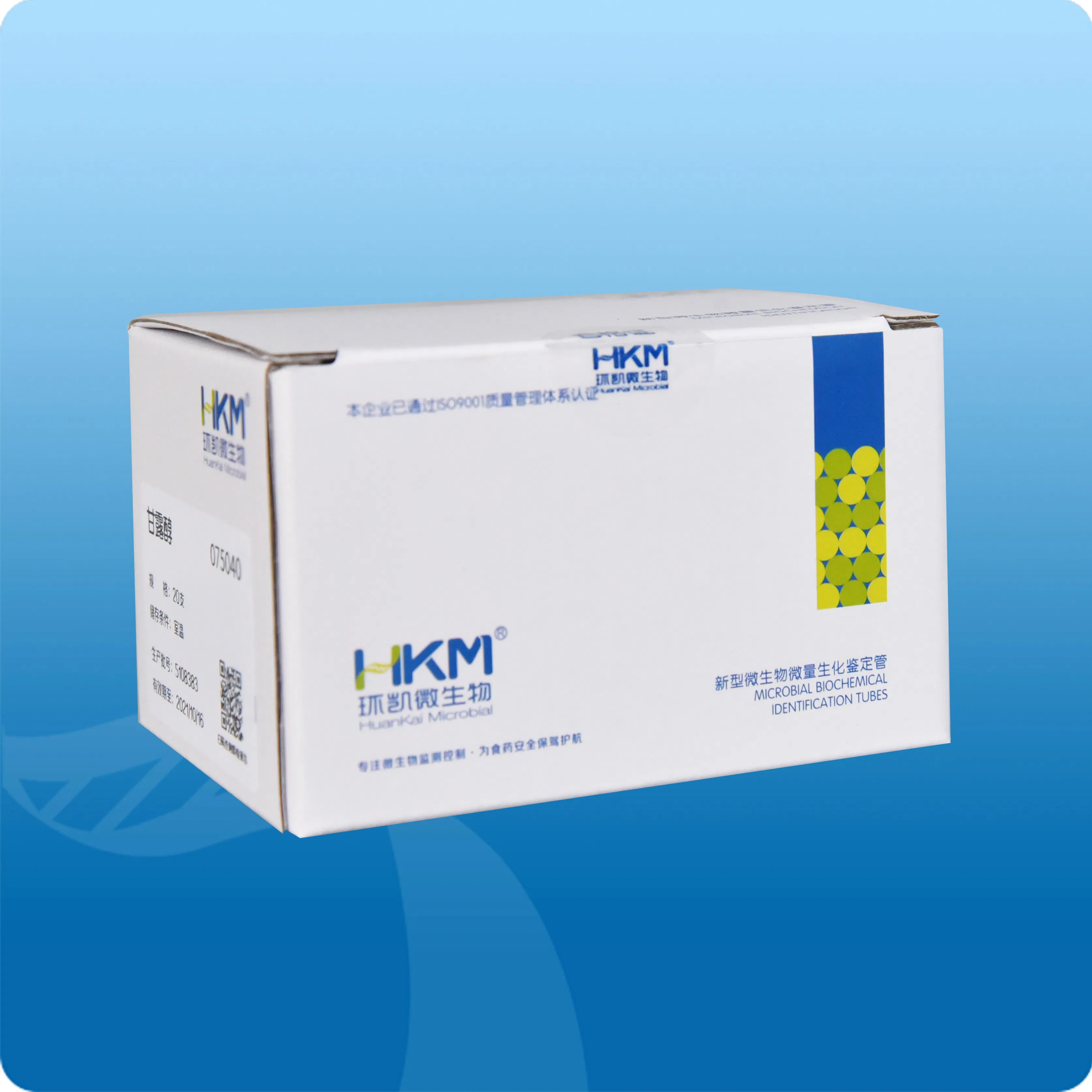
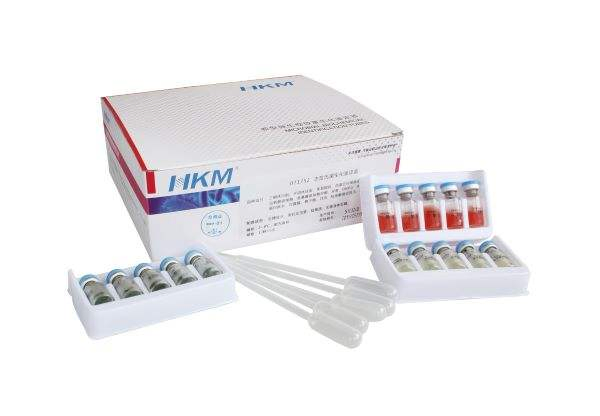
For biochemical identification of microorganisms.
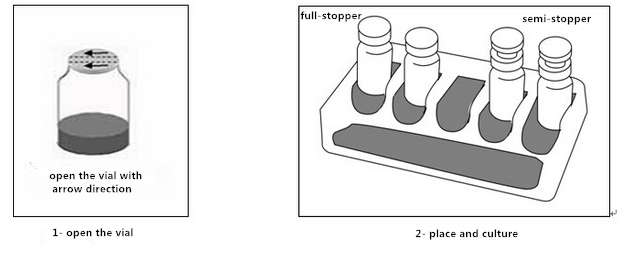
1. Opening of Vial: Before opening the vials, perform surface disinfection with 75% alcohol cotton. Open the plastic cover following the direction of the arrow, then remove the aluminum cover under sterile conditions.
2. Using the Identification Tube: Colonies picked for testing should be Gram-stained. Fresh colonies are inoculated in ordinary broth and cultured at 37°C for 18-24 hours, or diluted with 0.85% sterile saline to 0.5 McFarland (approx. 10^8 cfu/mL). Draw 0.05-0.08mL (1 to 2 drops) of the bacterial suspension and add it to the micro-resistant bottle.
Apply the rubber plug (full-stopper or semi-stopper as specified). Incubate the vial at 35-37°C in a suitable bottle holder or Neto groove.
Note: For special vaccination ways, incubation times, or training methods, please refer to instructions included with each specific biochemical identification tube.
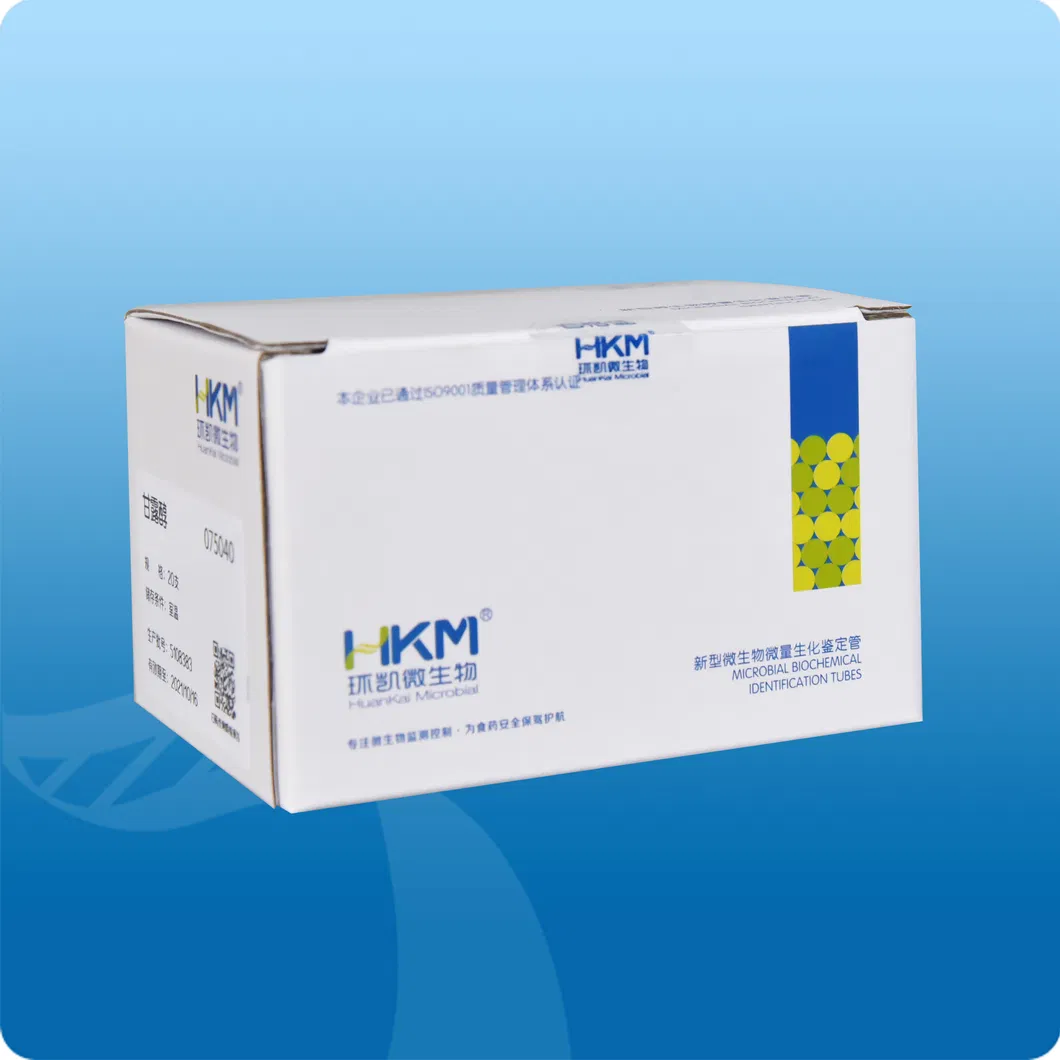
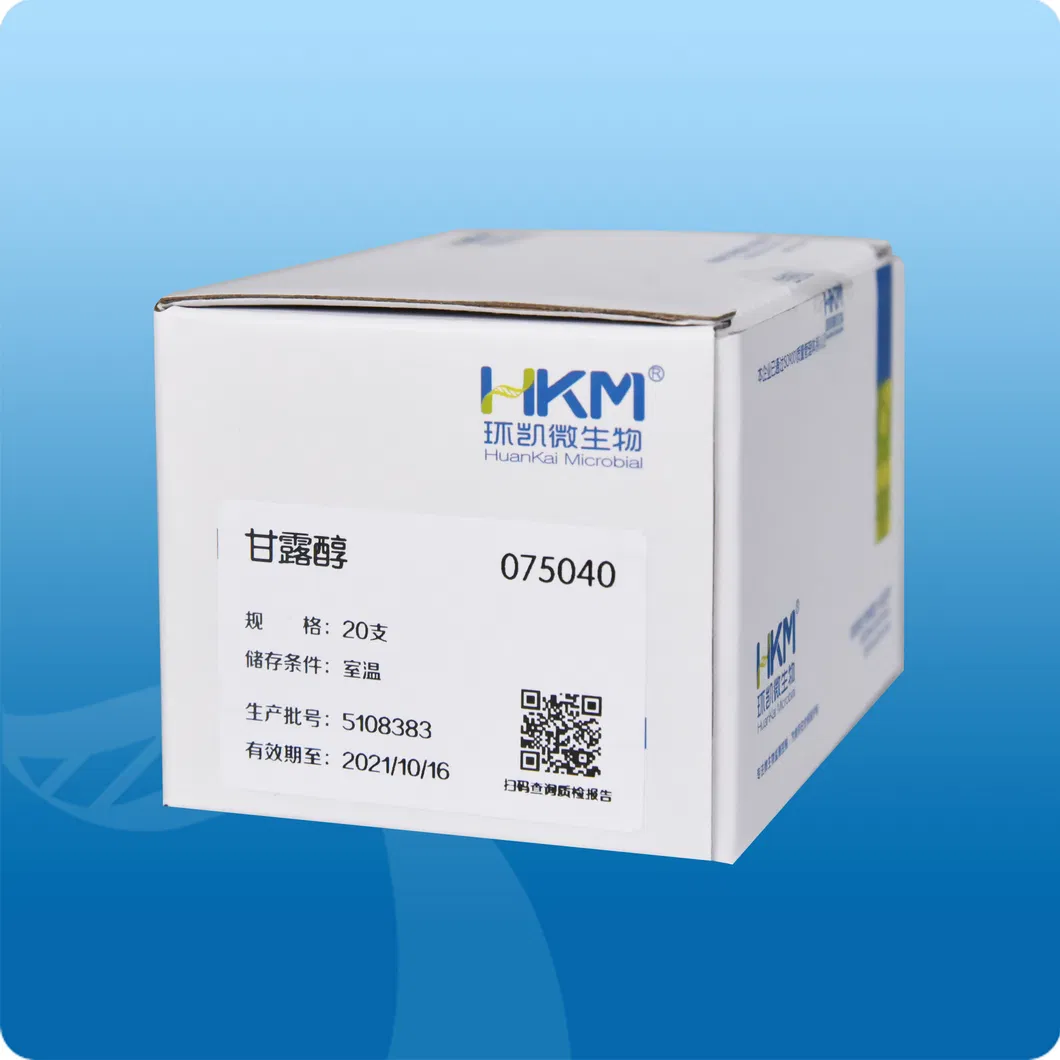
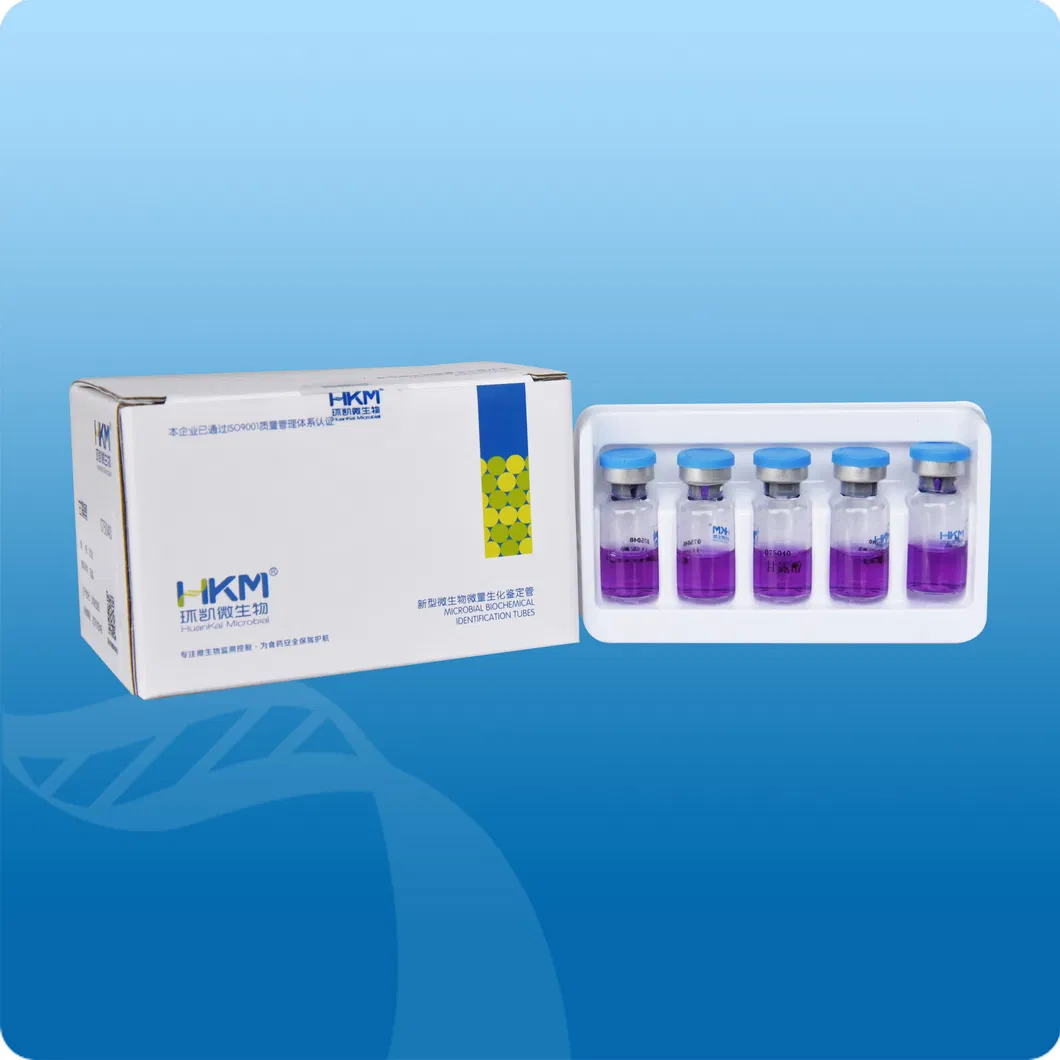

A1: No. Differences in raw material source and storage conditions may cause slight color variations. Every product undergoes rigorous inspection and biological verification to ensure all characteristics meet strict enterprise standards before sale.
A2: This is often due to incomplete hydration during preparation. If distilled water is not boiled sufficiently to dissolve the agar or not fully shaken after sterilization, the agar content can become uneven, leading to difficulty in setting.
A3: While 94% of E. coli have the β-glucuronidase enzyme required for the blue-green color reaction, about 4% (including O157:H7) do not. These specific strains may require traditional biochemical tests for confirmation.
A4: Remove the paper bag from the plastic packaging but do not cut the paper bag itself. For oxygen indicators, tear the outer packaging before use. Always follow the specific manufacturer's instructions for the gassing agent.
A5: It is generally recommended to store biochemical identification tubes in a cool, dry environment, typically between 2-8°C, and protected from light to maintain reagent stability.
A6: Yes, we provide OEM customization for packaging and labeling, supported by our technical R&D team to meet specific identification needs.