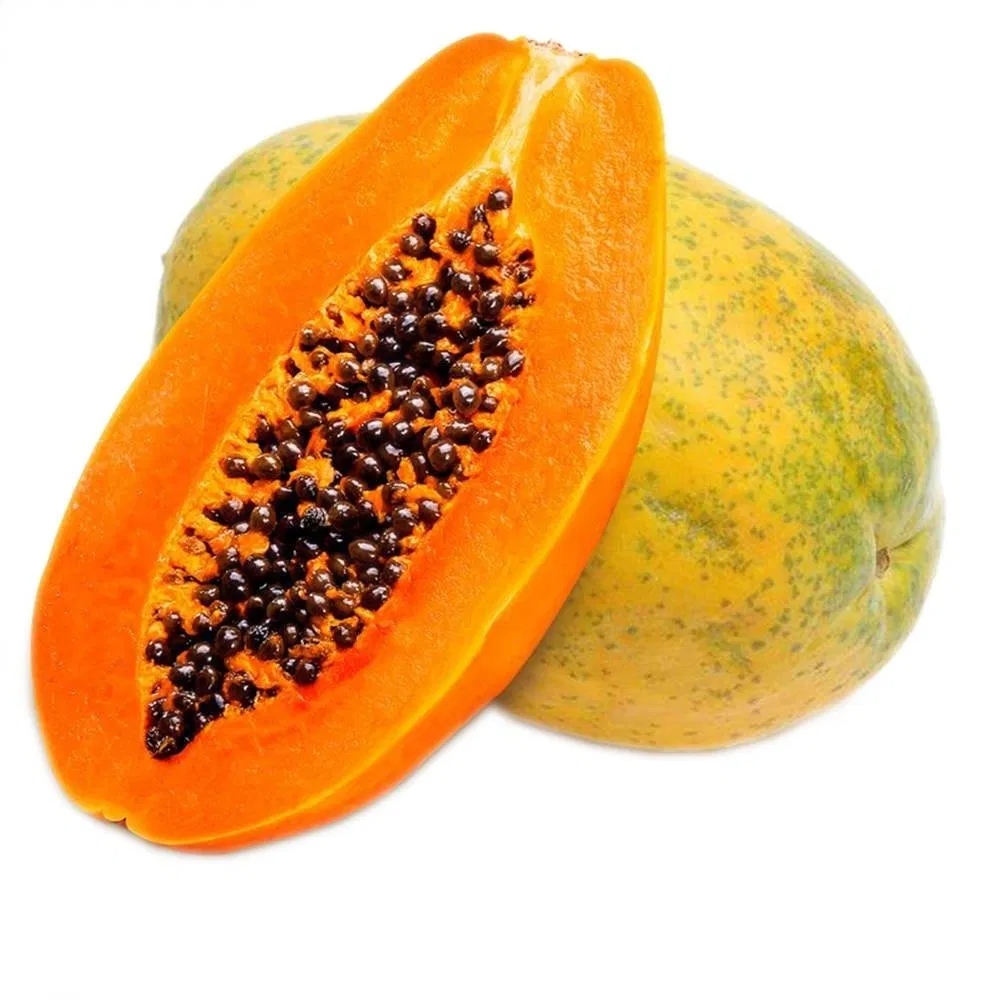
Papaya Emulsified Industrial Flavor Liquid Plant Extract Food Fragrance for Chocolate Manufacturing

Still deciding? Get samples of $ !
Request Sample

Product Description

Basic Info.

Model NO. Papaya Emulsified
EINECS Flavoring Concentrates
Grade Food Grade B
Certification MSDS
Usage Cosmetic Raw Materials
Raw Material Oil
Transport Machine Automobile Fuel
Name Food Flavor
Form Liquid
Application DIY Juice
Color Light Yellow
Shelf Time 2 Years
Transport Package Carton
Specification 125ml, 1 liter, 5 liter
Origin China
HS Code 99090
Production Capacity 500000 Liter Per Month

Product Description

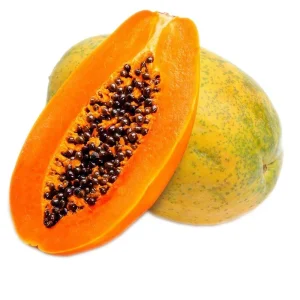
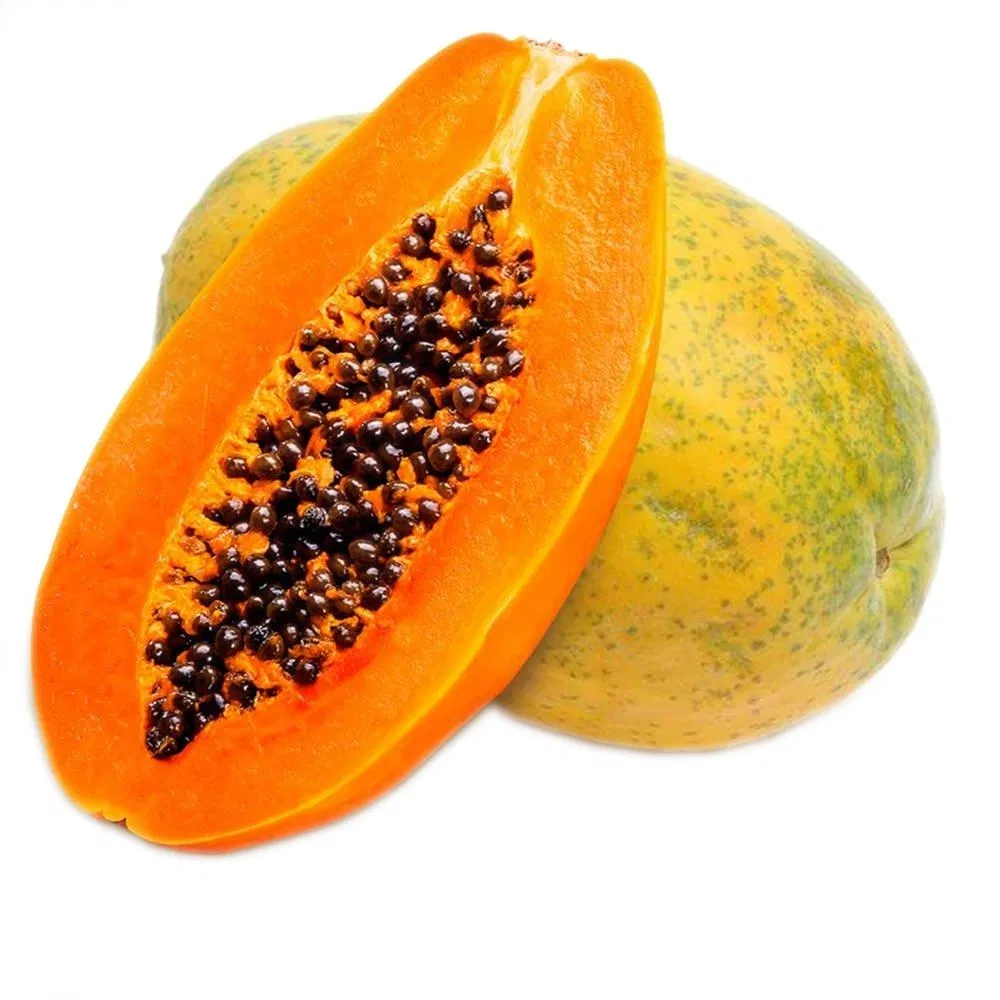
Papaya Emulsified

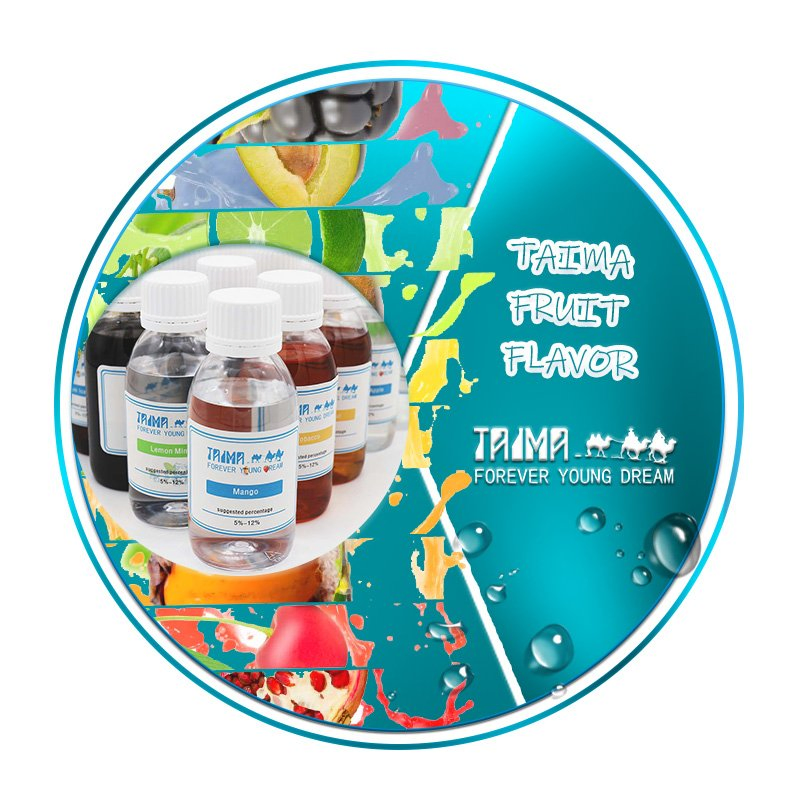
Papaya emulsified flavor is a highly concentrated, heat-stable flavoring agent used to impart a sweet, tropical, and slightly musky papaya taste to beverages, baked goods, dairy, and confectionery products. These water-soluble or oil-based emulsions, often available as natural or organic, offer consistent flavor in high-heat applications like baking.

  • Flavor Profile: It provides a sweet, tangy, and sometimes mildly creamy or tropical, juicy sensation, similar to fresh papaya.
  • Key Benefits: These emulsions are designed to be heat-stable, ensuring the flavor remains intact during high-temperature processing.
  • Usage and Storage: Due to high concentration, they should be used in moderation. They should be stored in a cool, dry place away from direct sunlight.

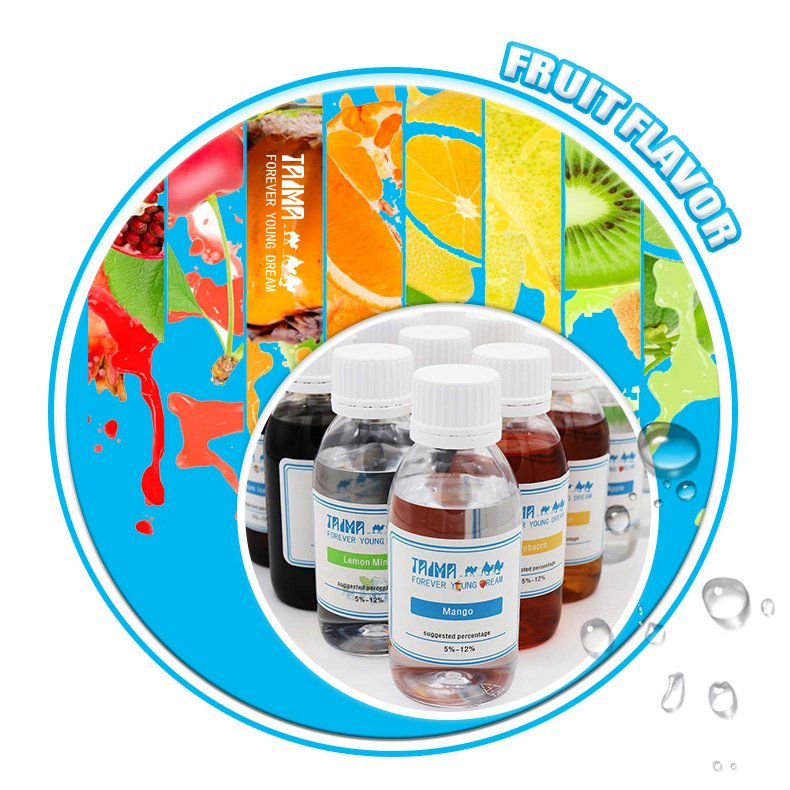
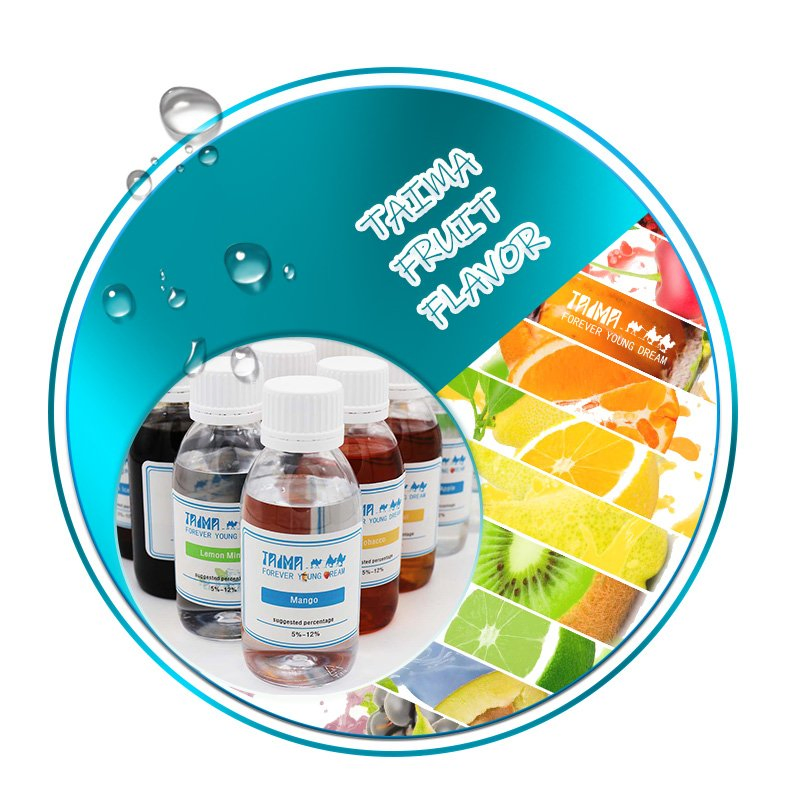
Fruit flavors are widely used food additives that enhance the taste and aroma of various food products. They are derived from natural sources or synthesized to mimic the characteristic flavors of fruits. Below is a detailed description of their types and industrial applications:
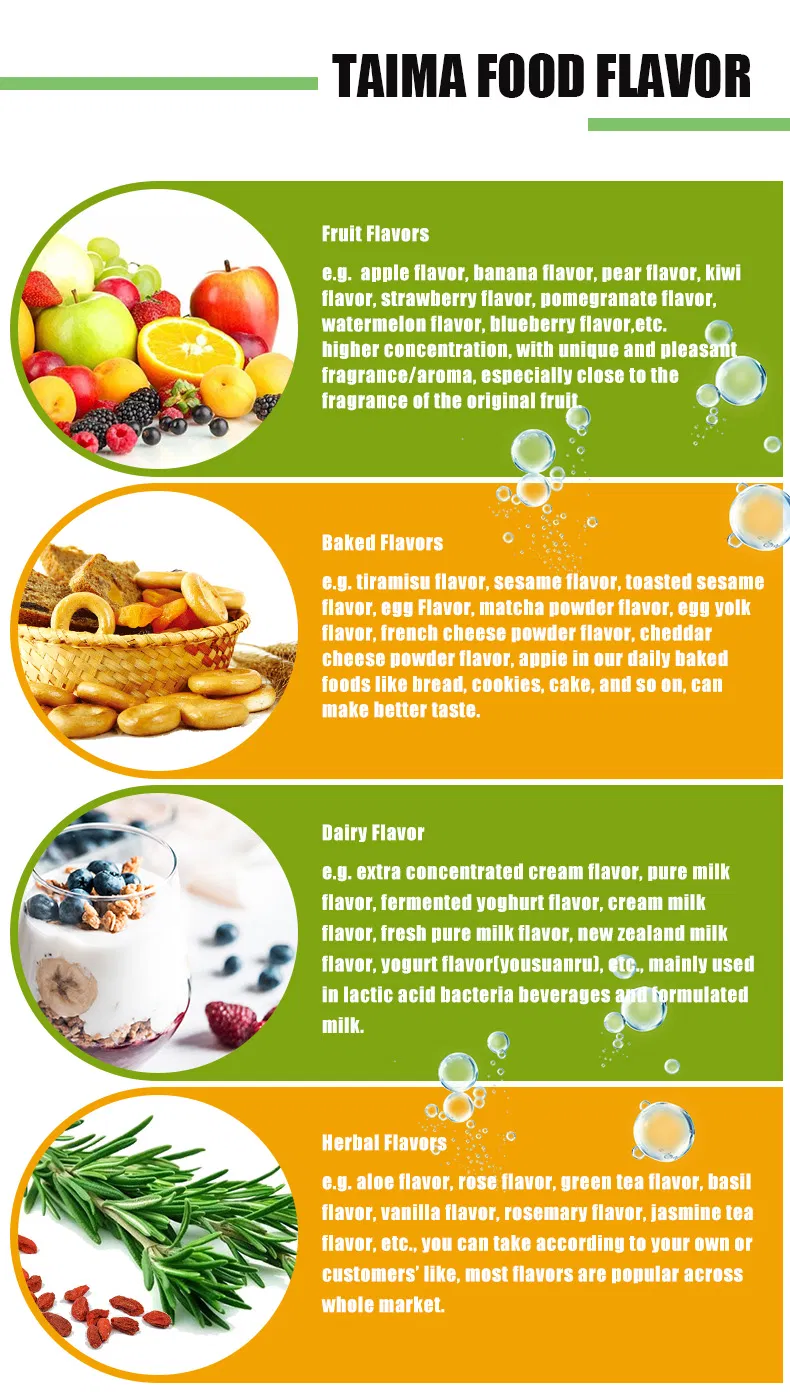
1. Types of Fruit Flavors

  • Natural Fruit Flavors: Extracted directly from fruits through methods like cold-pressing, distillation, or enzymatic hydrolysis. Examples include orange oil, lemon juice, and strawberry essence. These retain the authentic taste of the fruit and are often used in health-conscious products.
  • Artificial Fruit Flavors: Synthesized using chemical compounds to replicate fruit flavors. Common examples are banana flavor (E 635) and apple flavor (E 631). They are cost-effective and have a longer shelf life than natural flavors.
  • Fruit Flavor Blends: Combinations of natural and artificial flavors to create complex taste profiles, such as "tropical fruit" or "berry mix" flavors.

2. Applications in Food Industry

  • Beverages: Added to soft drinks, juices, and energy drinks to enhance fruity taste (e.g., orange flavor in soda).
  • Baked Goods: Used in cakes, cookies, and muffins to provide a moist, fruity texture (e.g., banana flavor in muffins).
  • Confections: Incorporated into candies, gums, and chocolates to deliver intense fruit flavors (e.g., strawberry flavor in gummies).
  • Dairy Products: Added to yogurts, ice creams, and cheeses to complement their natural sweetness (e.g., lemon flavor in cheesecake).
  • Savory Foods: Used in sauces, dressings, and marinades to add a fruity twist (e.g., pineapple flavor in teriyaki sauce).
Papaya Emulsified Industrial Flavor Liquid Plant Extract Food Fragrance for Chocolate Manufacturing

Frequently Asked Questions

What is Papaya Emulsified flavor and how is it used?

Papaya Emulsified flavor is a highly concentrated, heat-stable flavoring agent designed to deliver a sweet, tropical papaya taste. It is commonly used in beverages, baked goods, dairy, and confectionery products.

What makes these emulsions suitable for high-heat applications?

These emulsions are specifically formulated to be heat-stable. This design ensures that the authentic, juicy flavor profile remains fully intact and does not break down during high-temperature processing like baking.

How should the Papaya Emulsified flavor be stored?

Due to its highly concentrated nature, it is recommended to use the flavor in moderation. It should be stored in a cool, dry place away from direct sunlight to preserve its efficacy and shelf life.

What is the difference between natural and artificial fruit flavors?

Natural fruit flavors are extracted directly from real fruits using methods like cold-pressing or distillation. Artificial flavors are synthesized using chemical compounds to cost-effectively replicate the authentic taste profile with a longer shelf life.

In which applications can fruit flavor additives be used?

They can be integrated into beverages (sodas, juices), baked goods (cakes, muffins), confections (gummies, chocolates), dairy products (yogurt, ice cream), and even savory items like sauces and marinades.

What are the safety and quality standards of this product?

The product has achieved MSDS certification, ensuring that the raw materials and handling standards align with safety guidelines for industrial and food usage components.
Related Products