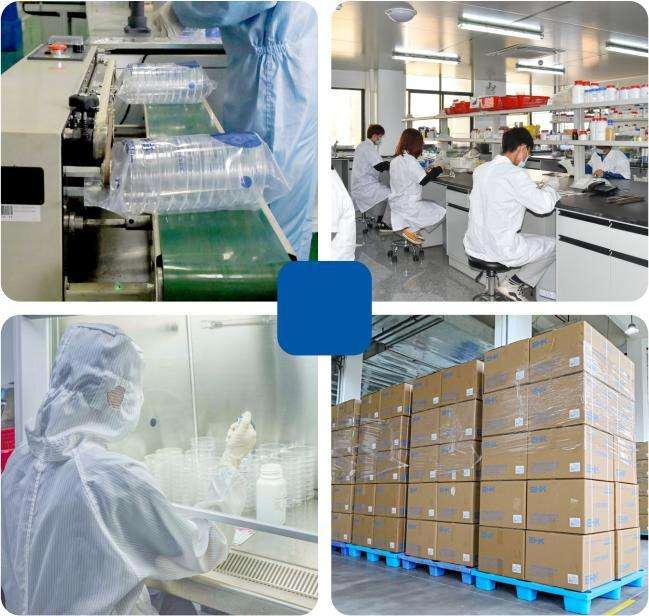
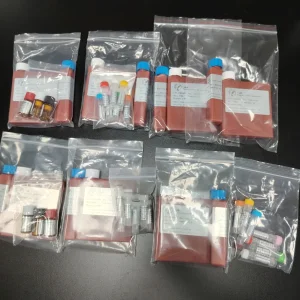
Engaged in Microbial Detection since 1993, with a manufacture base over 20,000 sq.m, 1,200 sq.m of Microbiological Research Lab and GMP room, and a dedicated team of 300 staffs. A full range of Culture Media and Supplement is provided as below:
| Product Category Range |
| Dehydrated Culture Media |
| Granular Media |
| Chromogenic Media |
| Ready-to-use Culture Media |
| Triple wrapped contact plate & settle plate |
| Media Raw Material |
| Supplements |
| Other Microbial Detection Products |
🔬
Intended Use & Principle
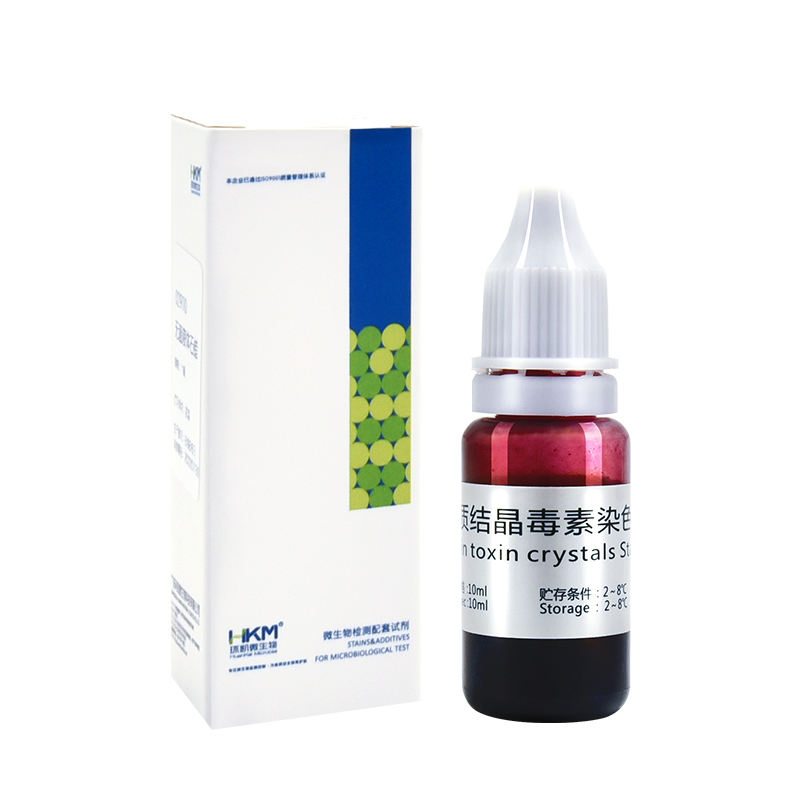
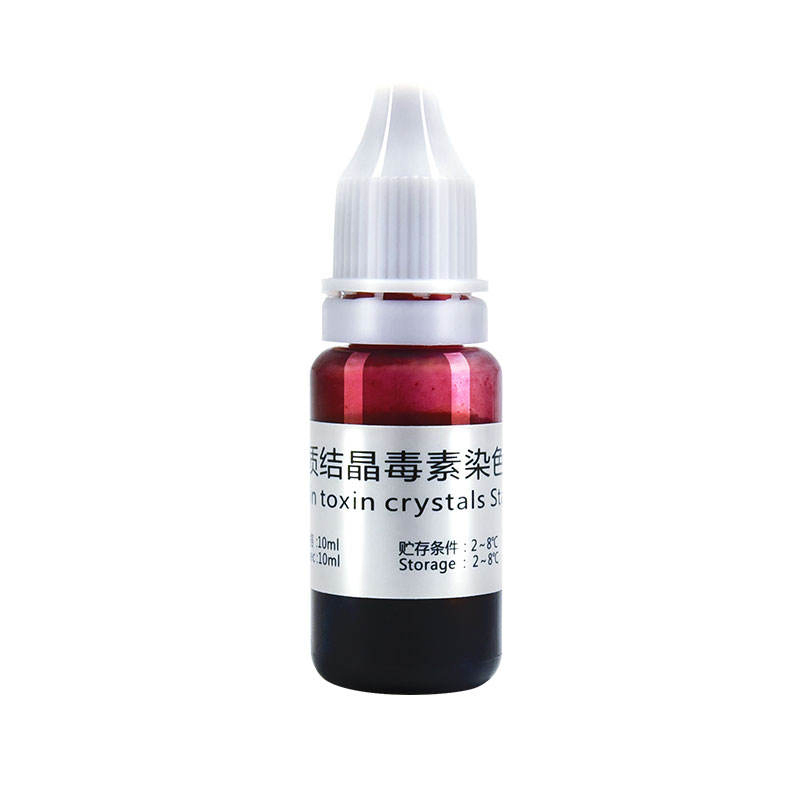
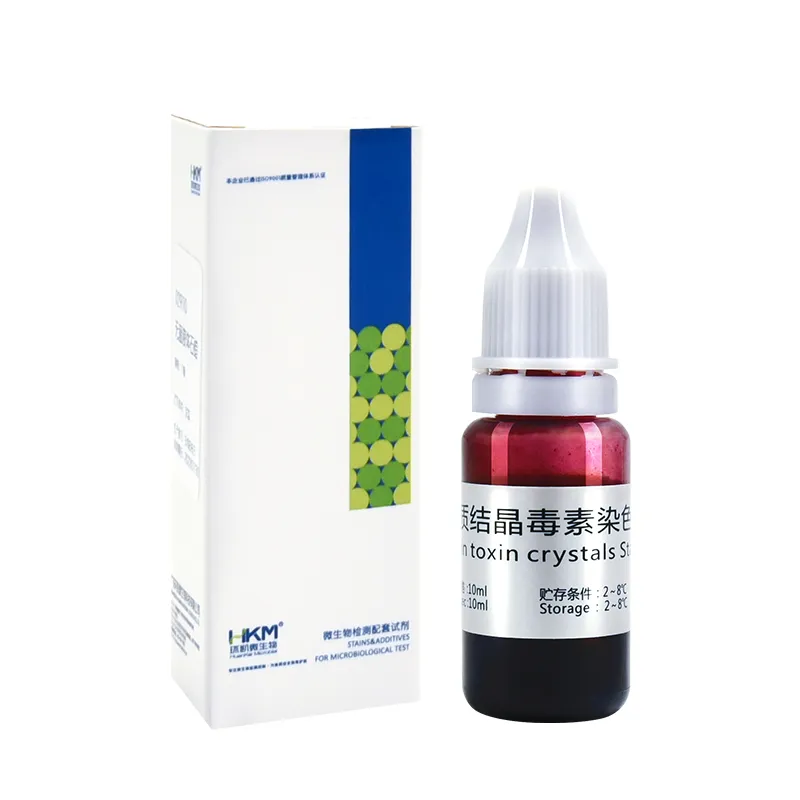
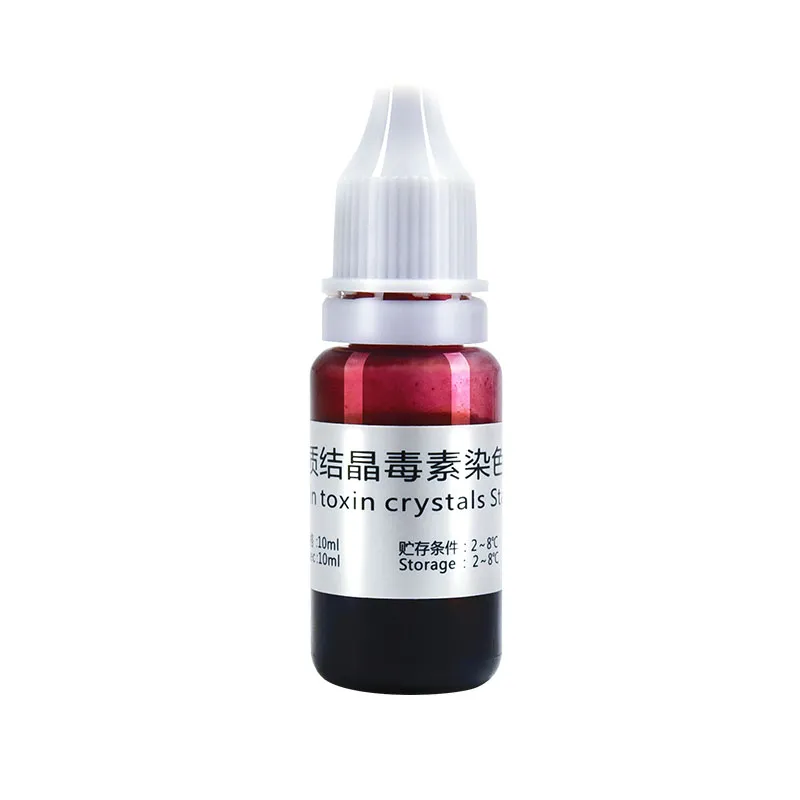
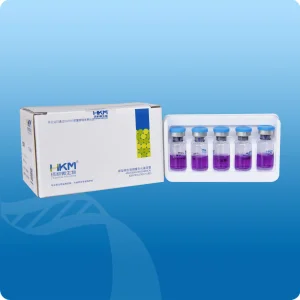
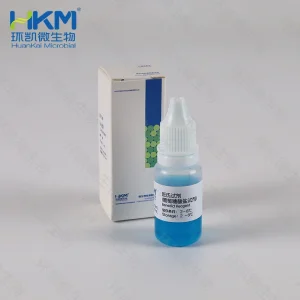
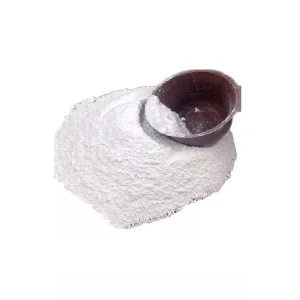
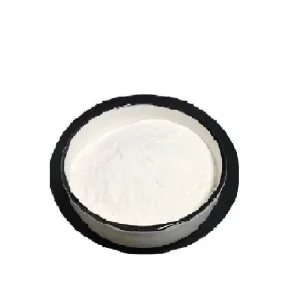
Intended Use: Used for staining protein toxin crystals in Bacillus cereus identification tests.
Test Principle:
Bacillus thuringiensis produces protein toxin crystals along with spore formation, while Bacillus cereus does not. Basic fuchsin stains Bacillus thuringiensis parasporal crystals purple-red, allowing differentiation between Bacillus thuringiensis and Bacillus cereus.
📋
Instruction for Use
1. Place a small amount of nutrient agar (suitable for the formation of Bacillus protein toxin crystals) culture that has been incubated at 30±1°C for 24±2 hours and then left at room temperature for 3-4 days onto a glass slide.
2. Add distilled water to mix thoroughly and smear to form a biofilm. Allow to air dry and fix over low heat.
3. Add methanol for 30 seconds, then discard. Flame-dry the slide.
4. Cover the slide with 0.5% alkaline fuchsin solution and heat over a flame until steam appears (do not allow the solution to boil) for 1.5 minutes.
5. Remove the flame, replace the staining solution, and stain again for 30 seconds.
6. Discard the staining solution, rinse thoroughly with tap water, air dry, and examine under an oil immersion microscope.
7. Observe for the presence of free spores and dark red protein toxin crystals (diamonds, squares, or other shapes). If free spore formation is insufficient, allow the culture to rest at room temperature for 2-3 days before reexamination.
Storage and Shelf Life: Store at room temperature away from light. Valid for two years.
📊
Specification
| Item |
Value |
| Packaging |
Bottle |
| Code |
029063 |
| Reagent Grade |
Biochemical Reagent |
| Format |
10ml/box; Packed in plastic bottles with plastic film wrapped |
Professional, environmentally friendly, and efficient packaging services are provided to ensure the safety of your goods.
🏢
Professional Production Base
As a national high-tech enterprise, we focus on four primary product lines: microbiological testing reagents and consumables, digital laboratory instruments, physical and chemical rapid water detecting products, and high-efficiency environmentally friendly cleaning agents and disinfectants. With independent intellectual property rights, more than 2,000 varieties of products are widely applied across various food and industrial sectors.
❓
Frequently Asked Questions
Q1: Can subtle color differences in dehydrated culture media between batches affect test results?
The source and storage conditions of raw material can vary, leading to slight color differences. This is a normal phenomenon. All products undergo rigorous inspection and sensory biology verification to ensure they meet enterprise standards and do not affect test results.
Q2: Why does the liquid medium take longer to clot after pouring on the plate?
This usually occurs if the hydration process was incomplete. Distilled water must be boiled sufficiently to dissolve the agar. Because agar can settle at the bottom, ensure the solution is fully shaken after high-temperature sterilization to avoid uneven content.
Q3: What if E. coli colonies do not show the expected color on chromogenic medium?
While 94% of E. coli have the β-glucuronidase enzyme required for blue-green color formation, about 4% (including O157:H7) do not. These strains may appear as false negatives. In such cases, traditional biochemical tests or alternative methods should be used for confirmation.
Q4: Is it necessary to remove the gas bag from the package during anaerobic culture?
Always follow the manufacturer's specific instructions. Generally, you remove the paper bag from the plastic outer packaging, but do not cut or open the paper bag itself. For oxygen indicators, tear the outer packaging before use.
Q5: How is product quality guaranteed?
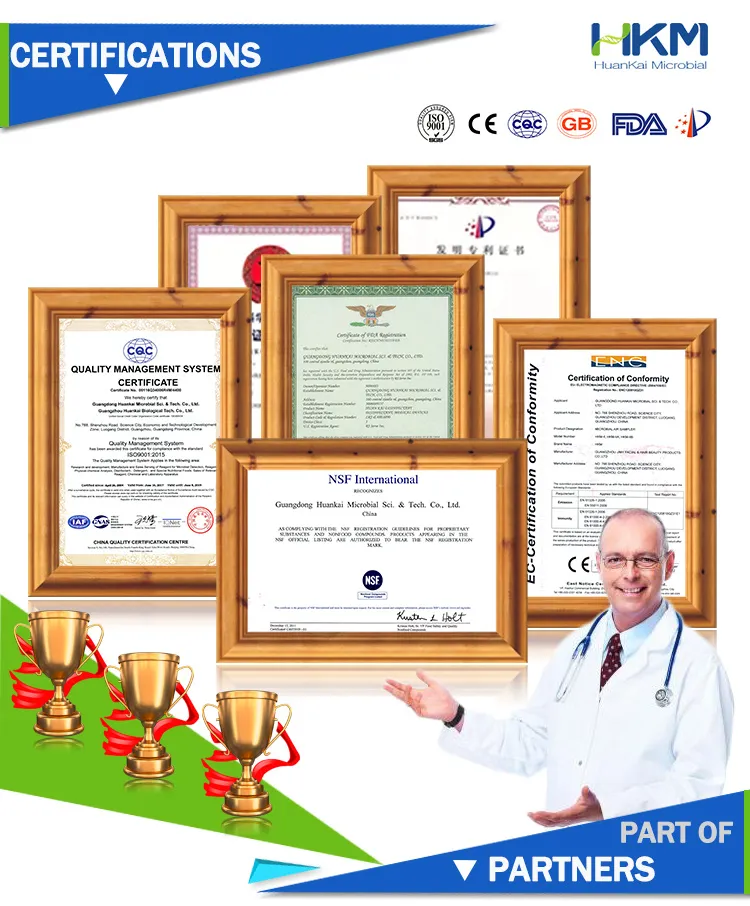
Quality is ensured through a consistent process: providing a pre-production sample before mass production and conducting a final inspection for every batch before shipment.
Q6: What types of microbial detection products are available?
The range includes Peptone & Tryptone, Dehydrated Culture Media, Granular Media, Microbial Air Samplers, and various biochemical identification reagents.
 Aeterna Biotech