Lactobacillus acidophilus is a gram-positive, rod shaped and a homofermentative, microaerophilic species. Lactobacillus acidophilus grows rapidly at relatively low pH values (below pH 5.0) and has an optimal growth temperature of around 37ºC. It can be found and utilized in various fermented food.
2. SELECTION AND TAXONOMY
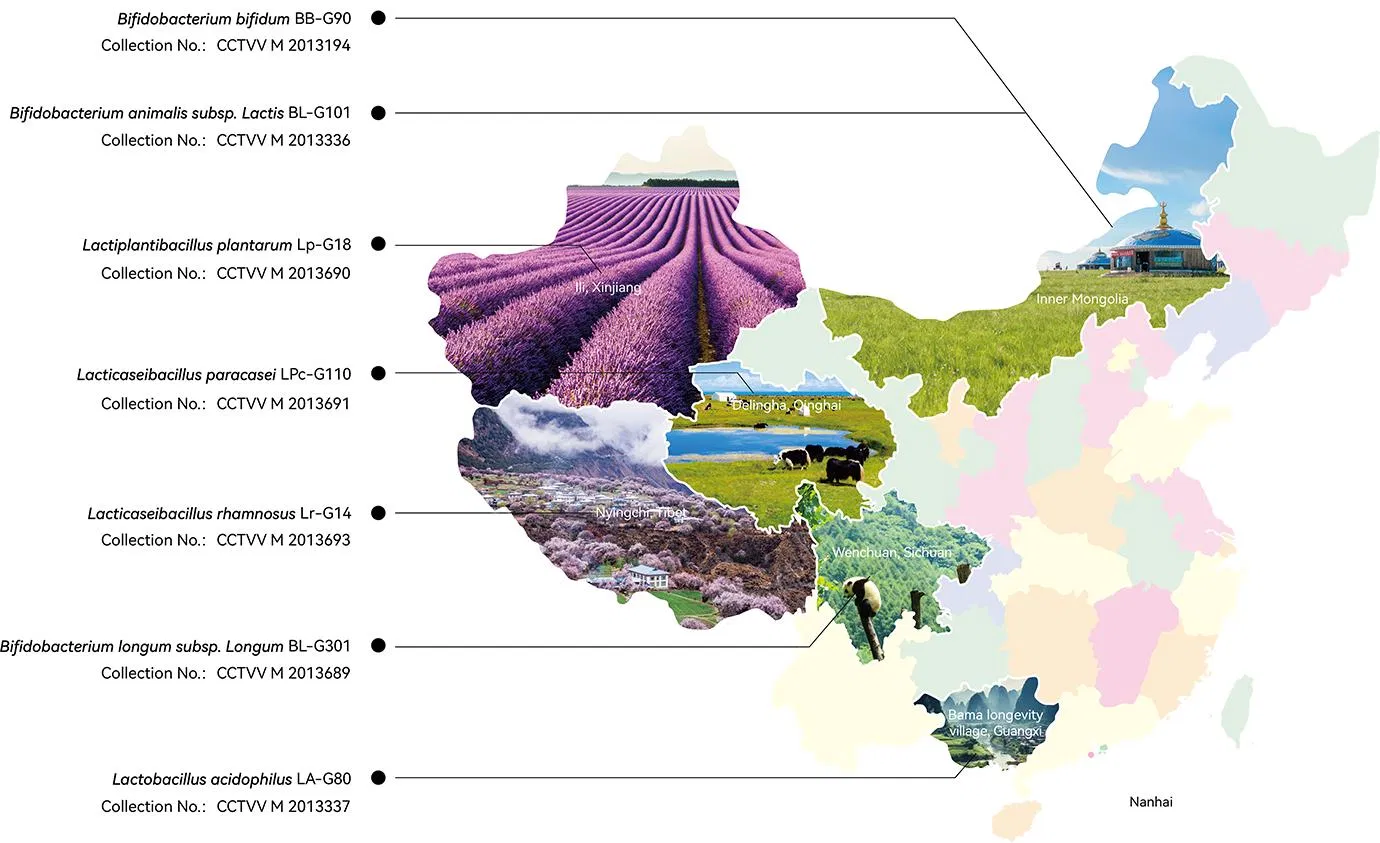
Lactobacillus acidophilus LA-G80 was isolated from the feces of healthy elder individuals in the Bama area of GuangXi province. It is particularly beneficial for infants and patients with gastrointestinal dysfunction as it helps maintain the balance of intestinal flora. Additionally, it may stimulate the immune system and enhance immune function.
KingdomBacteria
PhylumTerrabacteria
ClassBacillota
OrderBacilli
FamilyLactobacillales
GenusLactobacillaceae
SpeciesLactobacillus
Strain NumberLA-G80
3. SAFE FOR CONSUMPTION
3.1 Safe Production
Probiotics strain Lactobacillus acidophilus by the China Food and Drug Administration (CFDA) for use in food as a safe edible fungus.
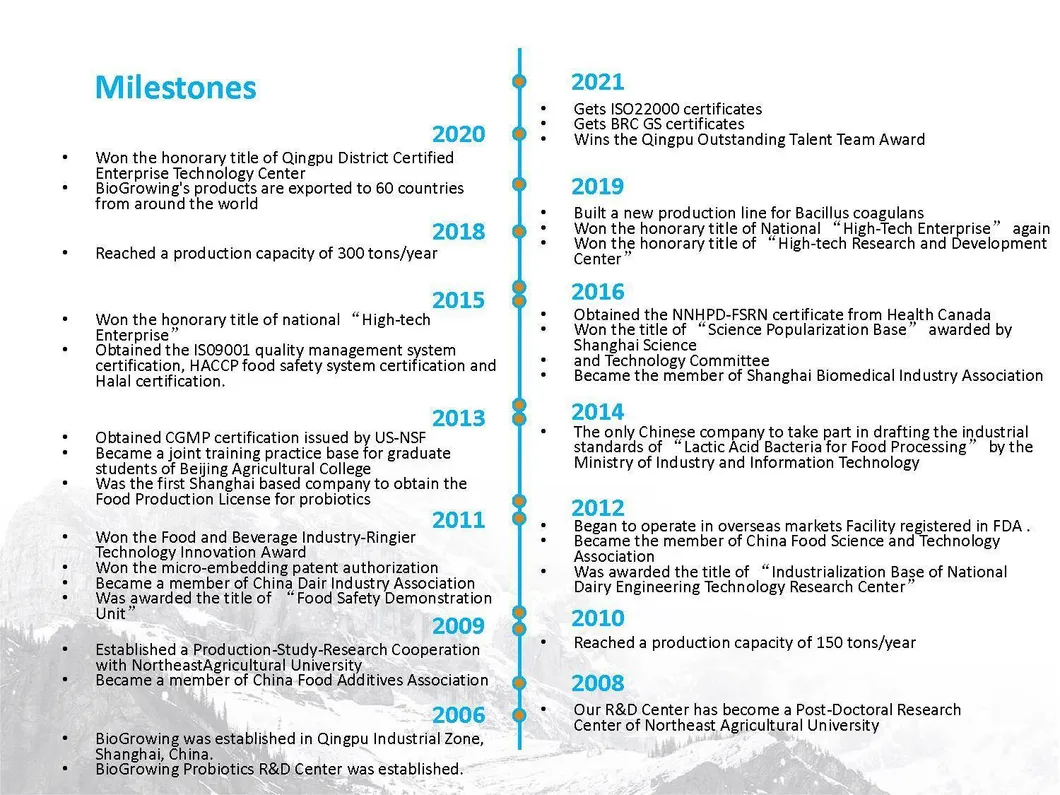
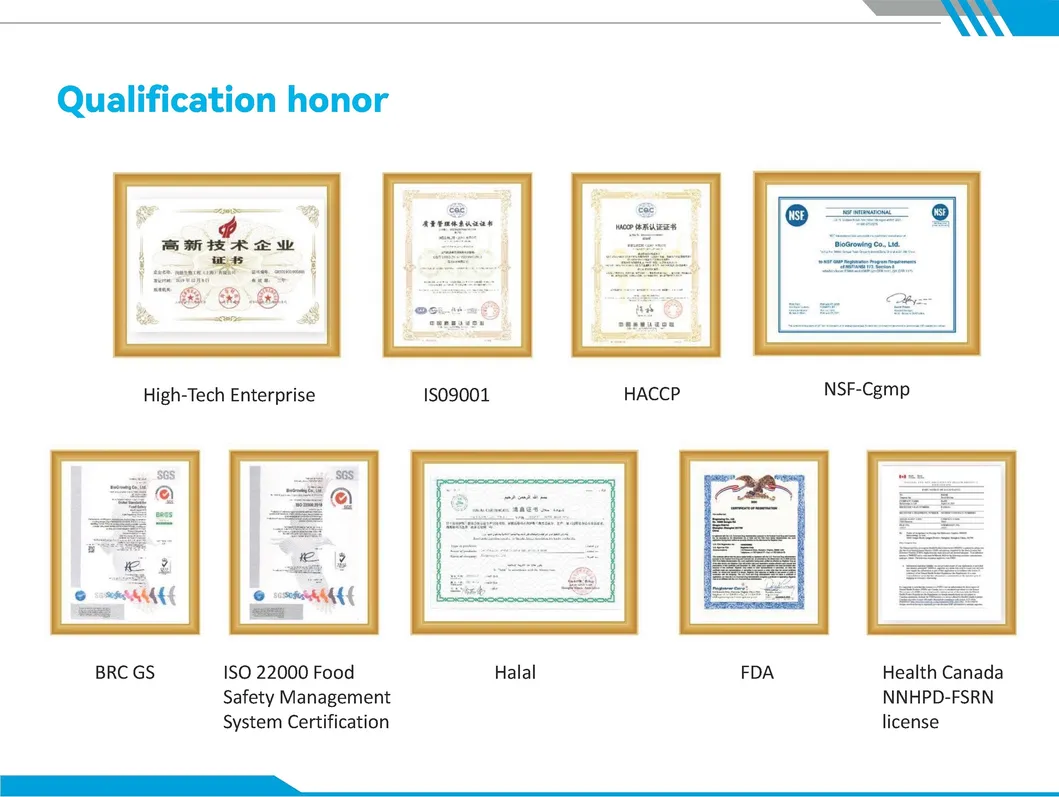
The production line Lactobacillus acidophilus LA-G80 is completed under the quality system of ISO/HACCP/NSF-cGMP/Kosher, etc.
3.2 Non-GMO Declaration
3.3 Genetic identification and strain preservation
Lactobacillus acidophilus LA-G80 has undergone a series of evaluations through the probiotic evaluation system and has been identified by the Institute of Microbiology, Chinese Academy of Sciences, based on 16s-rRNA gene sequencing. It belongs to the subspecies Lactobacillus acidophilus and is preserved in the China Center for Type Culture Collection with the accession number CCTCC M 2013337.
4. BENEFIT SUMMARY
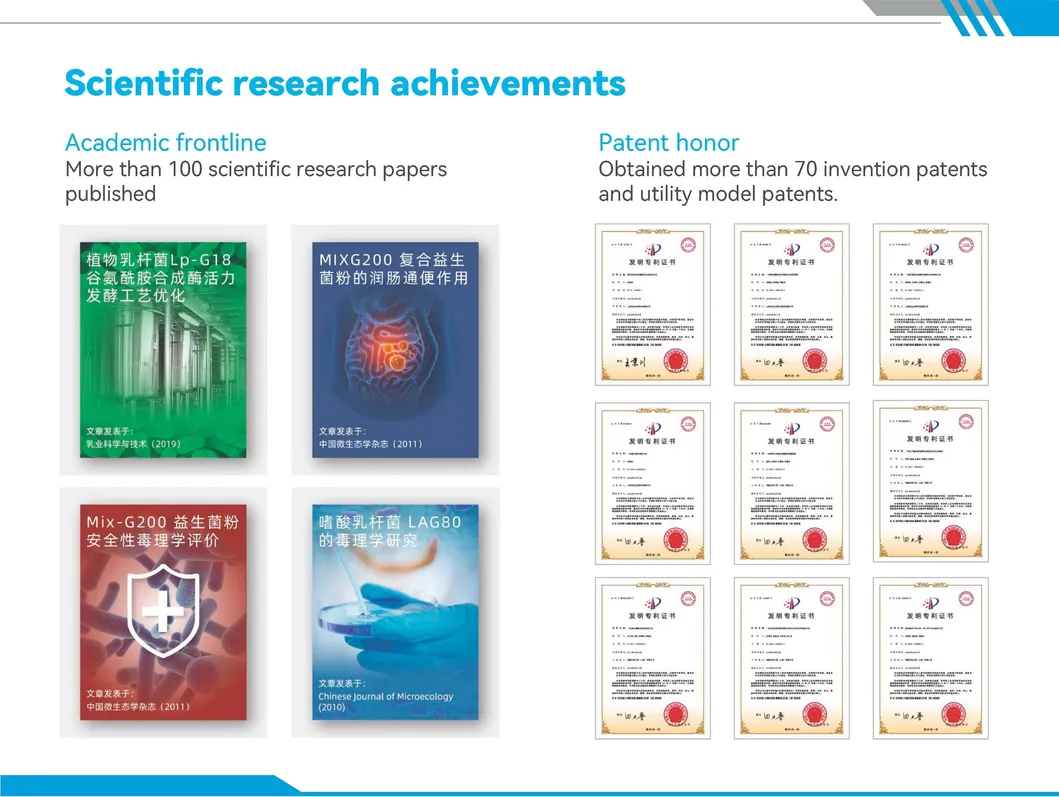
Many scientific studies have supported the tremendous health-enhancing effects of Lactobacillus acidophilus LA-G80, either in single strain form, in combination with other probiotics strains or as a component of probiotics preparations, as shown below:
Gut-flora balance.
Protect against harmful bacteria.
Anti-functional constipation.
Helps to build a superior immune system and reduces URTI infections.
The combined use of probiotics and antibiotics can reduce inflammation and provide better treatment for acne vulgaris.
Assists in anti-hypertension.
Helps reduce high blood sugar, improve blood lipids, and alleviate chemically-induced liver damage.
5. APPLICATIONS
Medication, HealthCare, Dietary Supplements, in form of capsules, tablets, sachets/strips, drops etc.
Food applicated products, juices, gummies, chocolate, candies, bakeries etc.
Dairy products, like yoghurts etc.
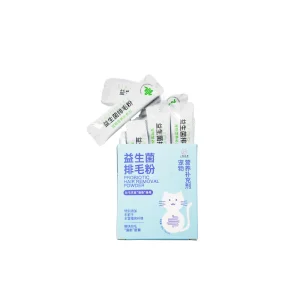
Pets foods/Animal feed additives etc.
Frequently Asked Questions (FAQ)
What is Lactobacillus acidophilus LA-G80?
Lactobacillus acidophilus LA-G80 is a natural, gram-positive, rod-shaped probiotic strain. It is microaerophilic and grows optimally at around 37ºC and pH levels below 5.0. It was originally isolated from healthy individuals in the Bama area of GuangXi province.
What health benefits does Lactobacillus acidophilus LA-G80 provide?
This strain offers numerous verified benefits, including maintaining gut-flora balance, protection against harmful gut bacteria, alleviating functional constipation, boosting the immune system, and improving skin condition (e.g. acne treatment when combined with antibiotics). It also supports anti-hypertension and assists in blood sugar and lipid regulation.
Is the LA-G80 strain safe for consumption?
Yes, it is fully declared safe. It is approved as a safe edible fungus by the China Food and Drug Administration (CFDA) and is manufactured within certified facilities under strict ISO, HACCP, NSF-cGMP, and Kosher quality systems. It is also non-GMO verified.
In what products can Lactobacillus acidophilus LA-G80 be applied?
LA-G80 is widely applicable in dietary supplements (capsules, tablets, sachets, drops), food products (juices, gummies, chocolates, bakery items), dairy products (yogurts), and premium pet food or animal feed additives.
How is the strain identified and preserved?
LA-G80 has been rigorously identified based on 16s-rRNA gene sequencing by the Institute of Microbiology, Chinese Academy of Sciences. It is securely preserved at the China Center for Type Culture Collection under the accession number CCTCC M 2013337.
 Aeterna Biotech