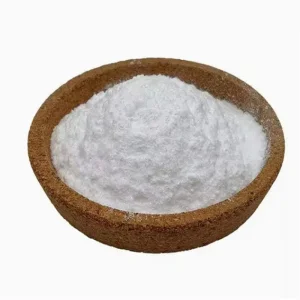
In the current industrial landscape, the term "Natural Emulsifiers" has evolved from a niche marketing buzzword into a critical component of global supply chain stability. As consumer awareness regarding "Clean Label" products reaches an all-time high, manufacturers across food, cosmetic, and pharmaceutical sectors are pivoting away from synthetic surfactants toward bio-based alternatives.
From a Semantic Search perspective, natural emulsifiers are no longer just viewed as chemical agents; they are seen as "Sustainably Sourced Functional Ingredients" that provide texture, stability, and bioavailability. The global market is projected to reach significant growth as regulatory bodies like the FDA and EFSA tighten restrictions on synthetic additives, creating a massive opportunity for top-tier manufacturers and exporters like Shanghai Aeterna Biotech Co., Ltd.
The gold standard in natural emulsification. Phospholipids provide excellent O/W and W/O stability. Sunflower lecithin, in particular, is trending as a non-GMO, allergen-free alternative.
A complex polysaccharide used extensively in beverages and essential oil encapsulation. It offers superior film-forming properties and long-term shelf stability.
Derived via fermentation of *Xanthomonas campestris*. It serves as a potent thickener and stabilizer even at low concentrations and varying pH levels.
Primarily extracted from citrus peels or apple pomace. Beyond gelling, its hydrophilic nature makes it a valuable stabilizer in acidic dairy products.
Marine-derived polysaccharides. These are essential for high-temperature stability and forming heat-resistant gels in industrial food processing.
Extracted from the soapbark tree. These are high-potency surfactants ideal for clear beverages and nano-emulsions due to their small micelle size.
Animal-derived but highly natural. These provide nutritional value along with physical stabilization in high-protein beverages and sports nutrition.
Extracted from guar beans. It is a cost-effective cold-water swelling stabilizer with high viscosity-building potential.
Physical or enzymatic modification of natural starches provides an "Octenyl Succinic Anhydride" (OSA) starch that bridges the gap between natural and high-performance.
Crucial for the cosmetic and pharmaceutical industries for stabilizing lipophilic formulations, balms, and ointments.
Our History: Shanghai Aeterna Biotech Co., Ltd. is a leading, reliable, and professional manufacturer specializing in fine chemicals, plant extracts, enzyme preparations, and nutritional ingredients. Our expertise spans research, development, production, and global sales. With decades of experience, we have built a solid reputation for delivering high-quality products and innovative solutions to a wide range of industries.
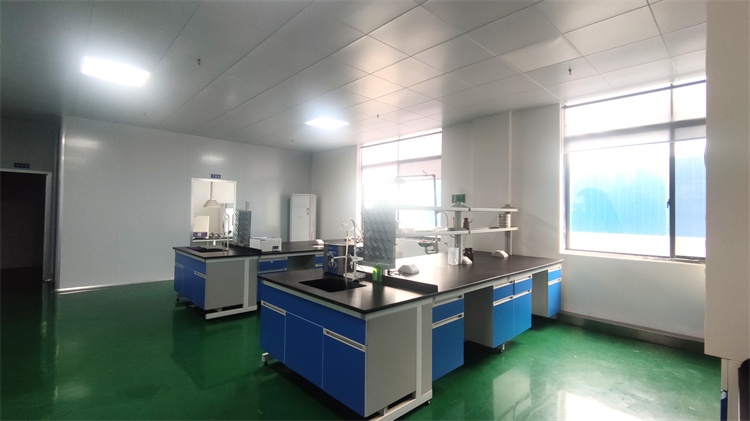
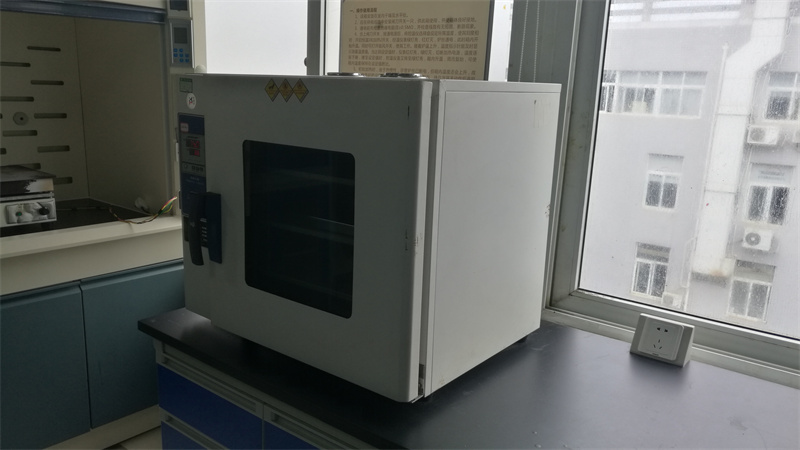
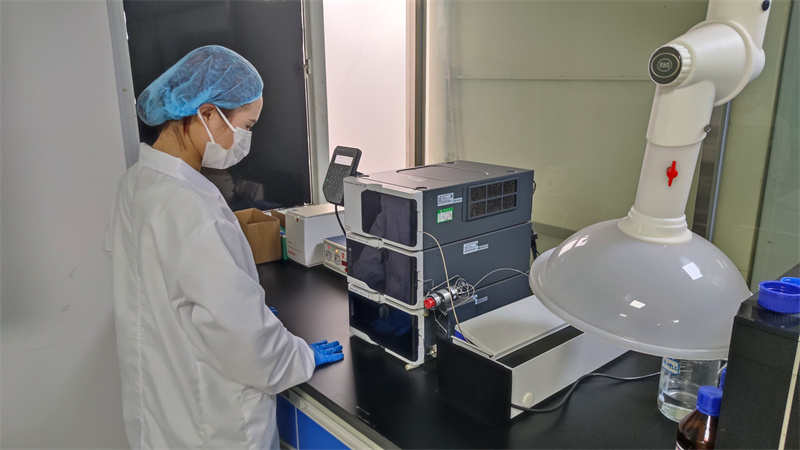
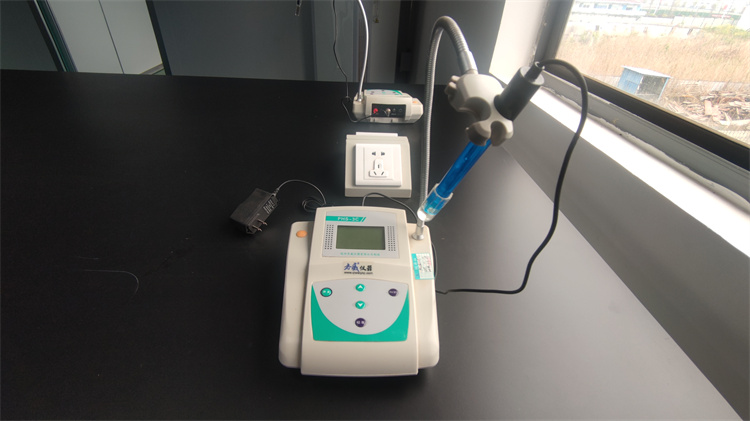
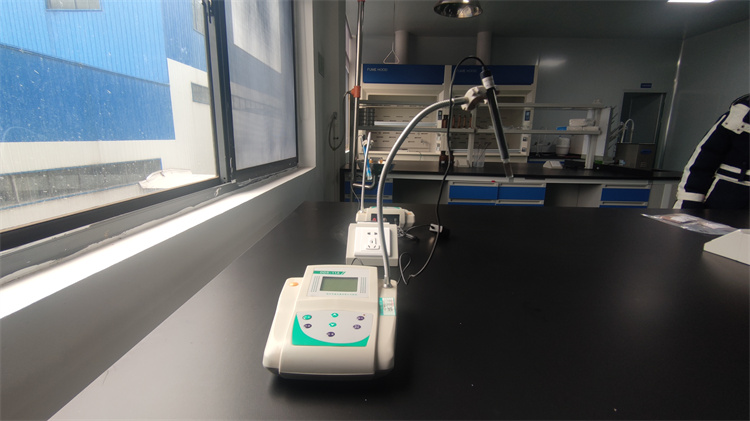
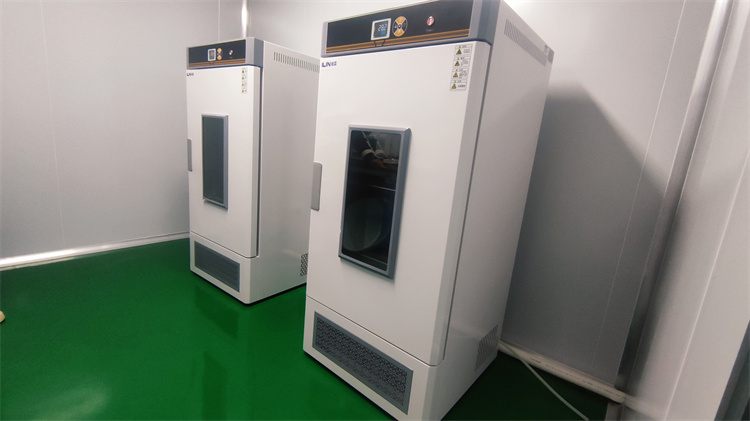
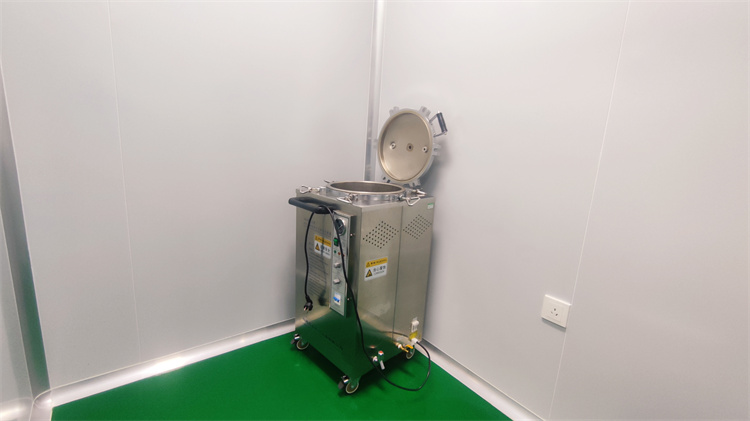
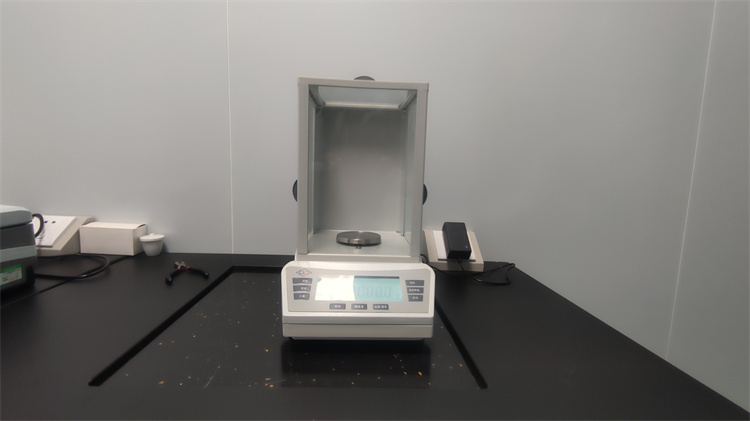
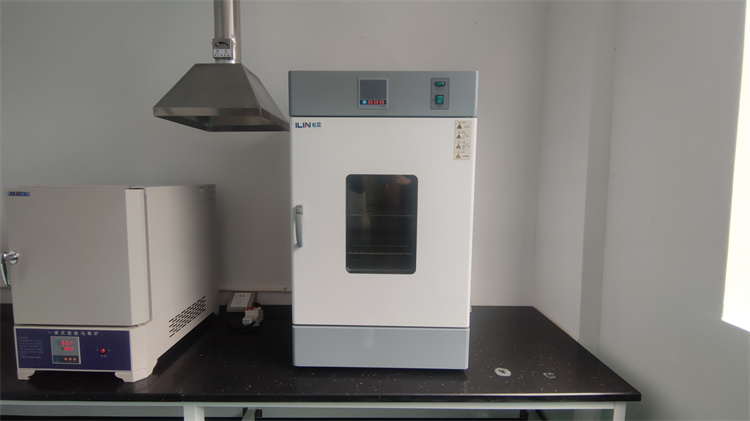
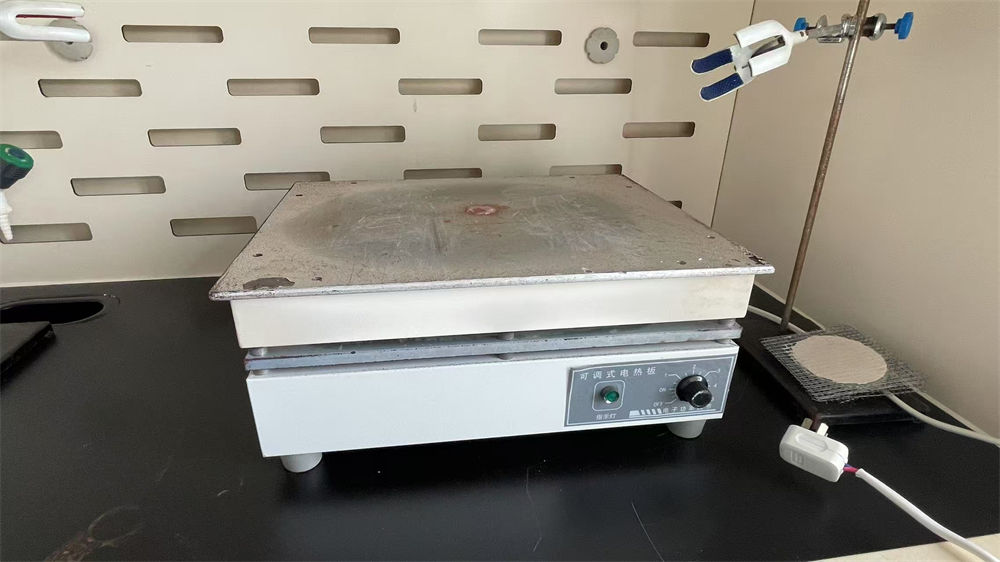
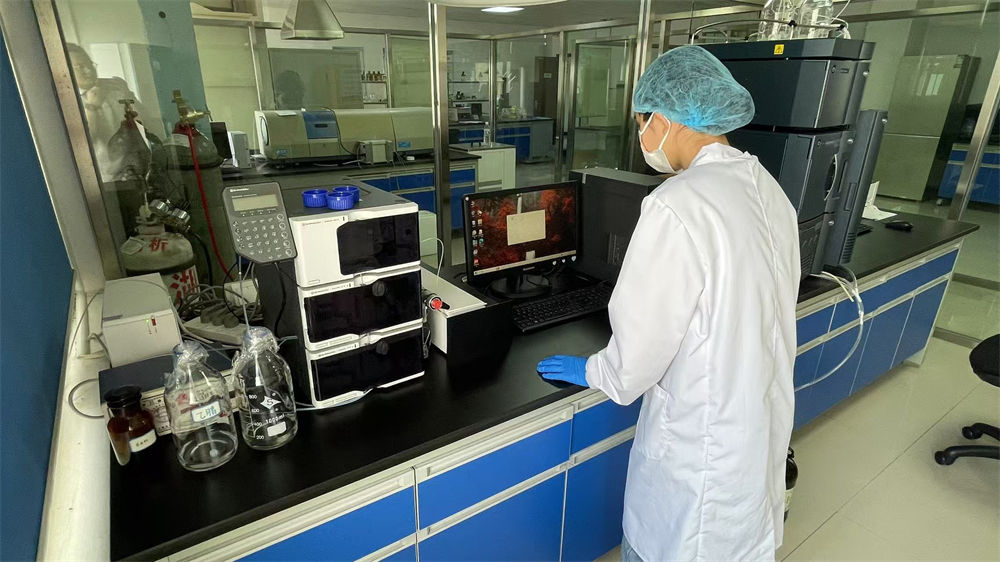
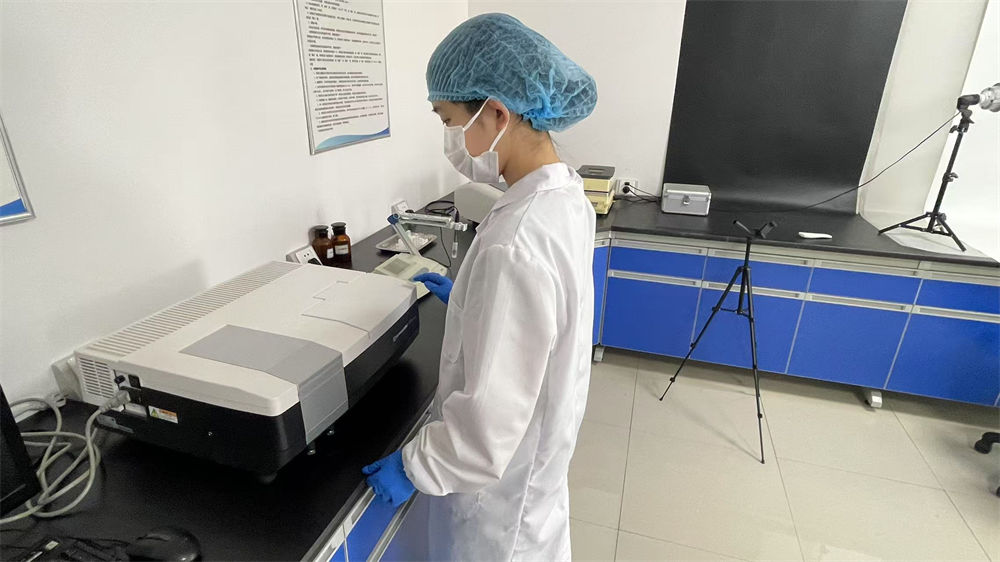
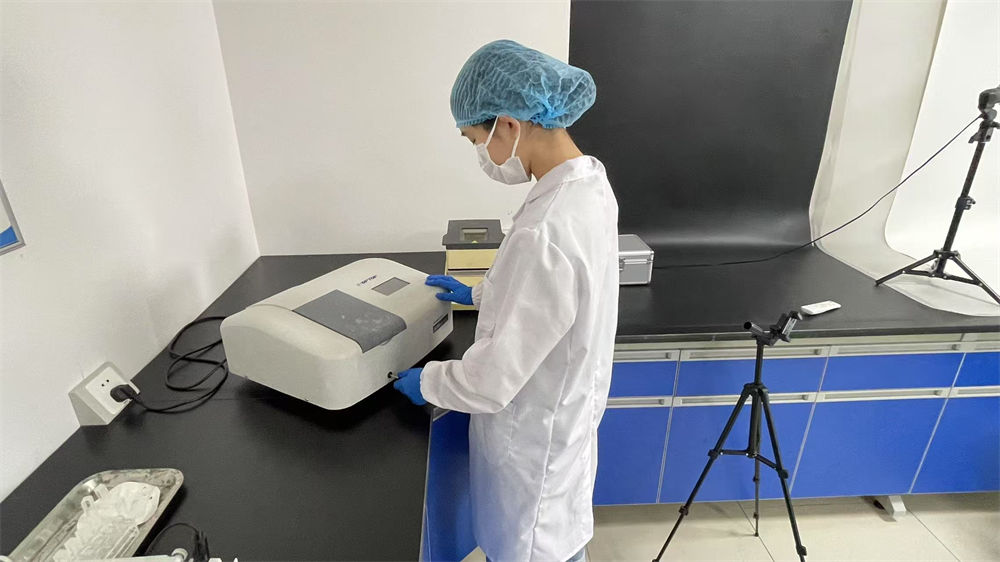
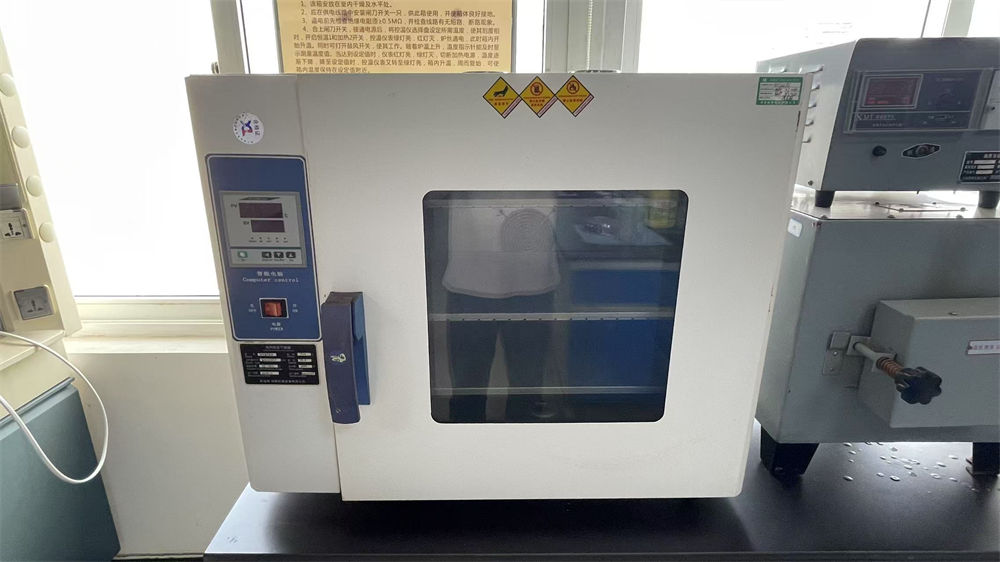
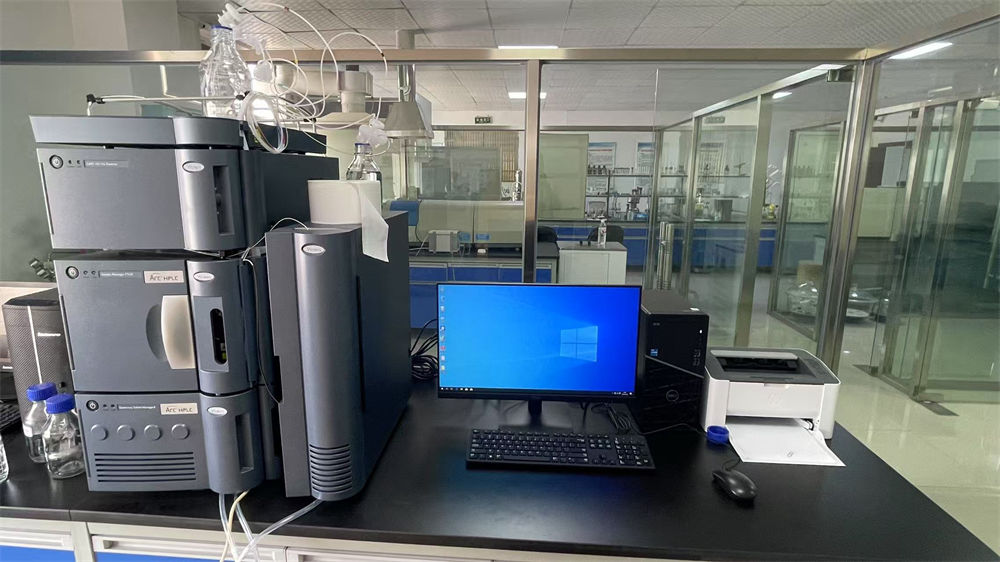
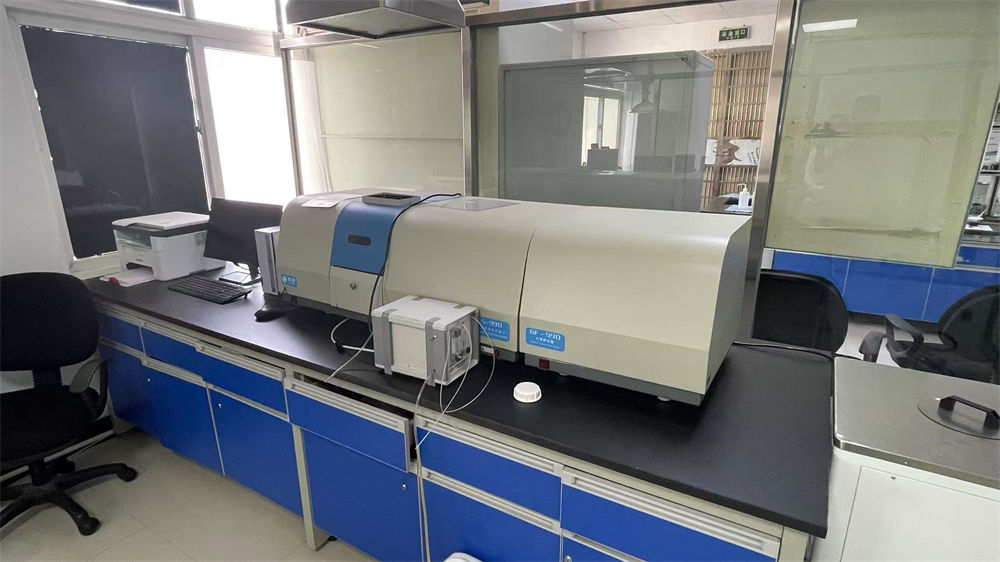
Our Factory & R&D: Our facilities are equipped with state-of-the-art production and testing equipment, allowing us to meet the highest industry standards. Through years of serving European and American markets, our QA/QC team has gained extensive experience in impurity analysis, precise control of flavor and fragrance formulations, and rigorous quality management.
Production Capacity: With modern production facilities and advanced logistics, Shanghai Aeterna Biotech manufactures thousands of tons of premium products annually. Our close partnerships with major international freight forwarders in Shanghai ensure timely global distribution.
We believe in "Transparency via Technology." Our lab is the heartbeat of our E-E-A-T commitment, ensuring every gram of natural emulsifier meets stringent purity benchmarks.
The transition to natural emulsifiers is driven by the "Global Green Deal" and initiatives to reduce carbon footprints. Emulsifiers derived from plants require less energy-intensive processing than traditional synthetics, aligning with ESG goals of multinational corporations.
We provide localized regulatory support for REACH (Europe), FDA (USA), and GB standards (China). Our documentation packages include detailed impurity analysis, allergen statements, and heavy metal testing to ensure a "zero-friction" import experience.
The next frontier is "Enzymatically Tailored Emulsifiers." By using specific enzymes to modify plant proteins, we are developing a new generation of emulsifiers with customized Hydrophilic-Lipophilic Balance (HLB) values for specialized pharmaceutical delivery systems.
 Aeterna Biotech