Aeterna Biotech
1 / 5
Fermented milk is essential to provide a highly efficient carbon source. Lactose is broken down into galactose and glucose by lactobacillus, providing vital nutrition and energy for human beings.
Galactose plays an important role in the development of mammalian nerves. Lactose is highly beneficial for calcium absorption (Note: Lactase deficiency causes lactose intolerance).
Has an important influence on dairy product organizational states, such as the effect of lactose crystallization on the taste of condensed milk, and the overall solubility of milk powder.
Provides visual and sensory enhancement: has an important impact on the color and flavor of dairy products via browning reactions and post-fermentation flavor formation.
| Item | Standard |
|---|---|
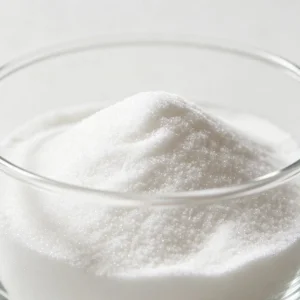
| Appearance | odorless white crystals or powder |
| Ash (%) | 0.09 |
| B SCALE COLOR | 8.7 |
| Fat (%) | 0.10 |
| Moisture (%) | 0.21 |
| pH | 5.55 |
| Protein (%) | 0.14 |
| Scorched particle (%) | 7.50/mg |
| Bacillus cereus presumptive | <10 cfu/g |
| Coliform | <10 cfu/g |
| E coli | <10 cfu/g |
| Mold | <10 cfu/g |
| SPC | <250 cfu/g |
| Staph | <10 cfu/g |
| Yeast | <10 cfu/g |
| Lactose content (%) | 99.56 |
| Listeria | Neg/25g |
| Salmonella | Neg/750g |
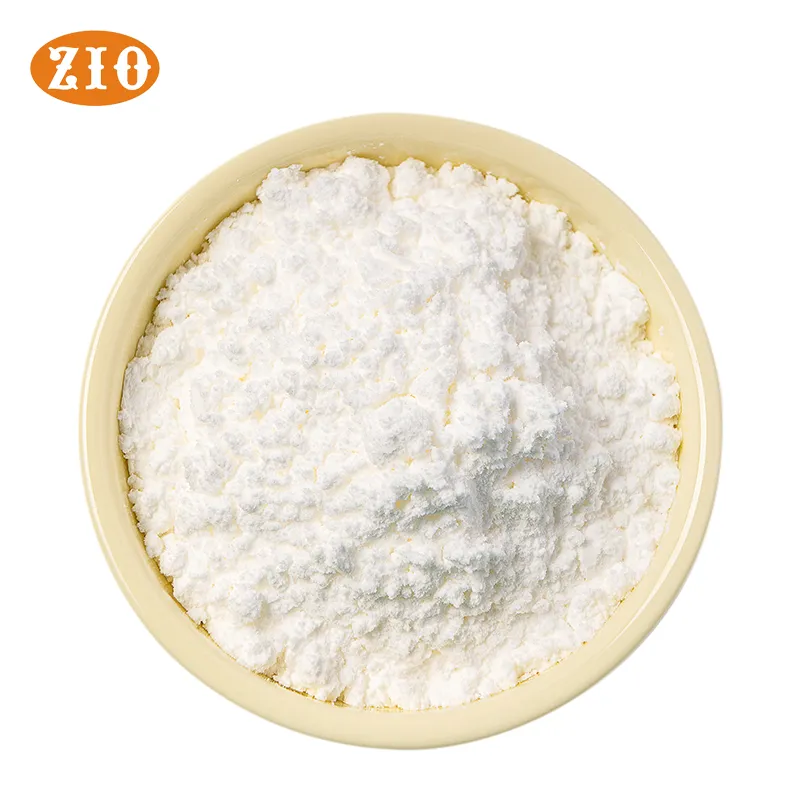
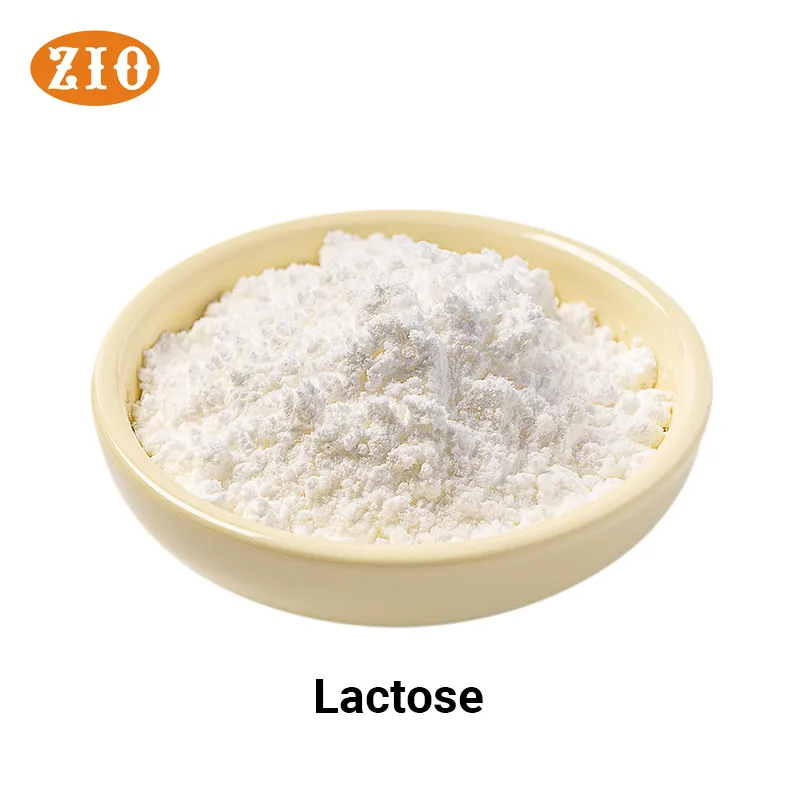
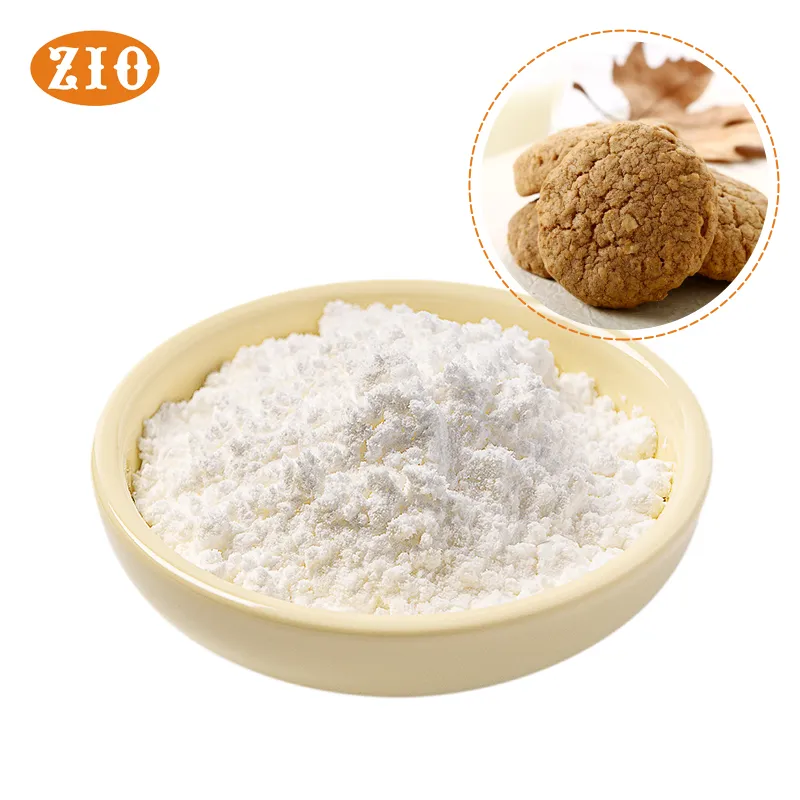
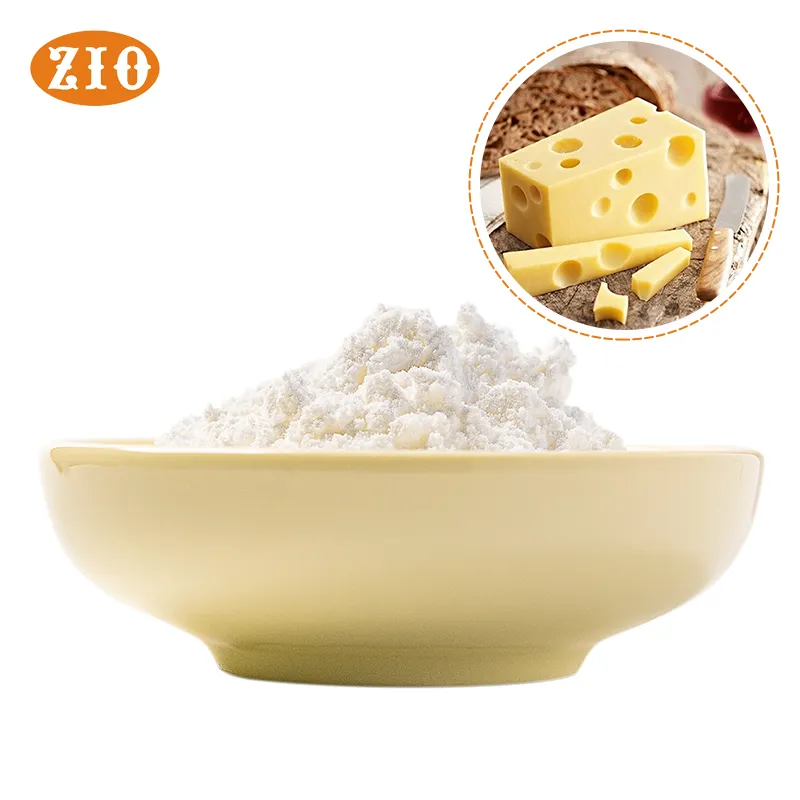







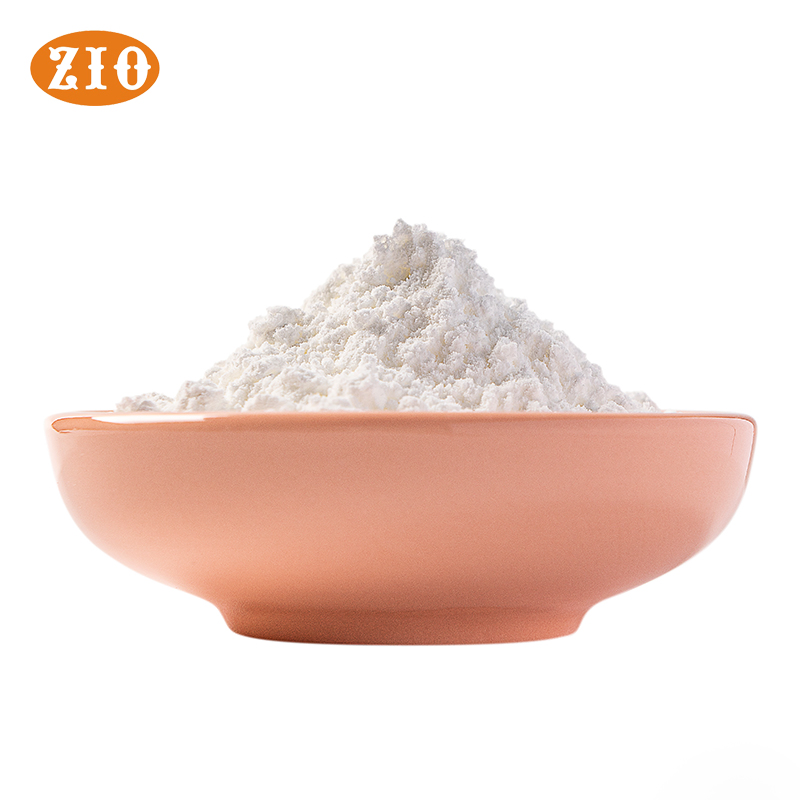
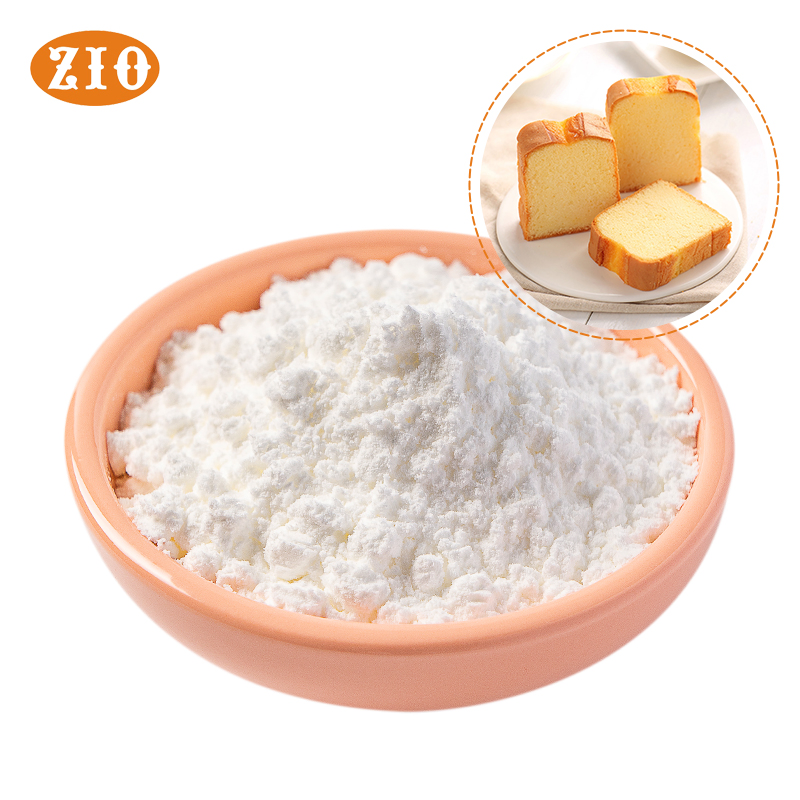
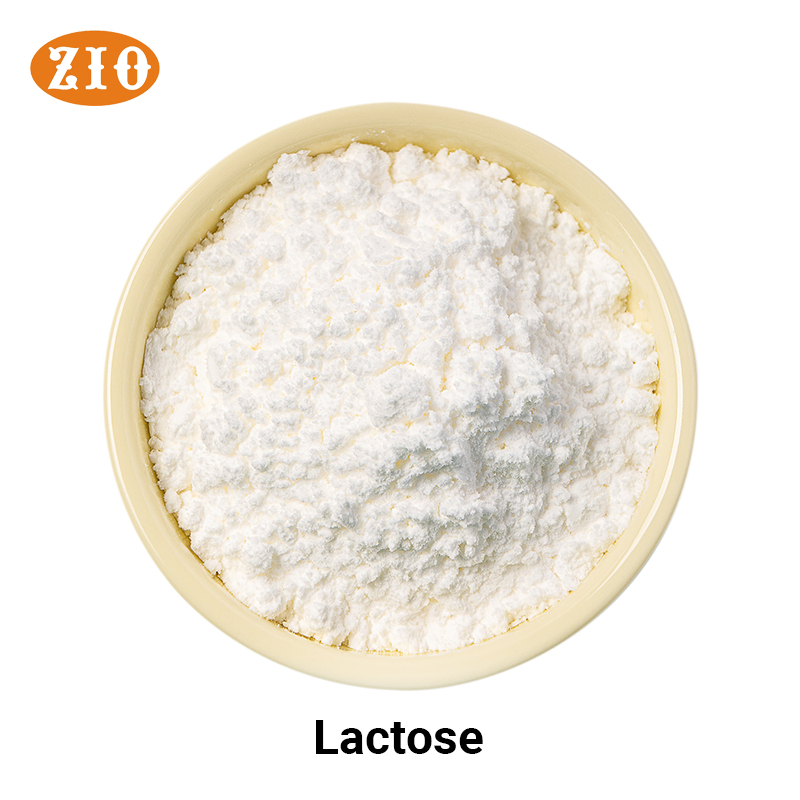
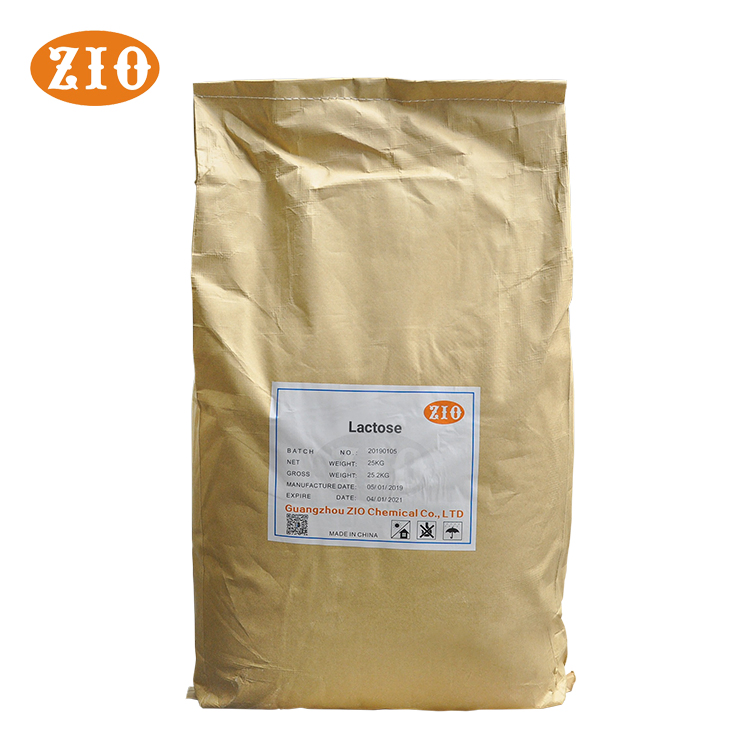
Food grade lactose is a high-quality carbohydrate crystalline powder sourced from whey. It is predominantly used as a carbon source, nutrient enhancer, and texturizing agent in the food and beverage industry, particularly in fermented milk products, condensed milk, and milk powder formulations.
When metabolized by lactobacillus, lactose is broken down into galactose and glucose. Galactose is vital for the development of mammalian nervous systems, while lactose itself facilitates better calcium absorption in the body.
Lactose crystallization affects the taste profile of products like condensed milk and determines the solubility of milk powders. It also supports browning reactions (Maillard reaction) which contribute key flavors and visual appeal to dairy and baked foods.
Our food grade lactose boasts a high purity level, with a typical lactose content of 99.56%. The fat content is extremely low at 0.10%, and moisture is strictly controlled at 0.21% to ensure excellent stability and shelf-life.
It meets strict microbiological food safety guidelines: Salmonella is negative per 750g, Listeria is negative per 25g, and common organisms like Coliforms, E. coli, yeasts, and molds are maintained at safe levels under 10 cfu/g.