Stachyose Product Introduction
Stachyose is a naturally occurring tetrasaccharide with the molecular formula C24H42O21, the relative molecular weight is 666.59, its structure consists of two galactose, one glucose and one fructose. It is a non-reducing functional oligosaccharide. Stachyose is not decomposed by human gastrointestinal digestive juice and belongs to soluble dietary fiber.
The Physicochemical Properties of Stachyose
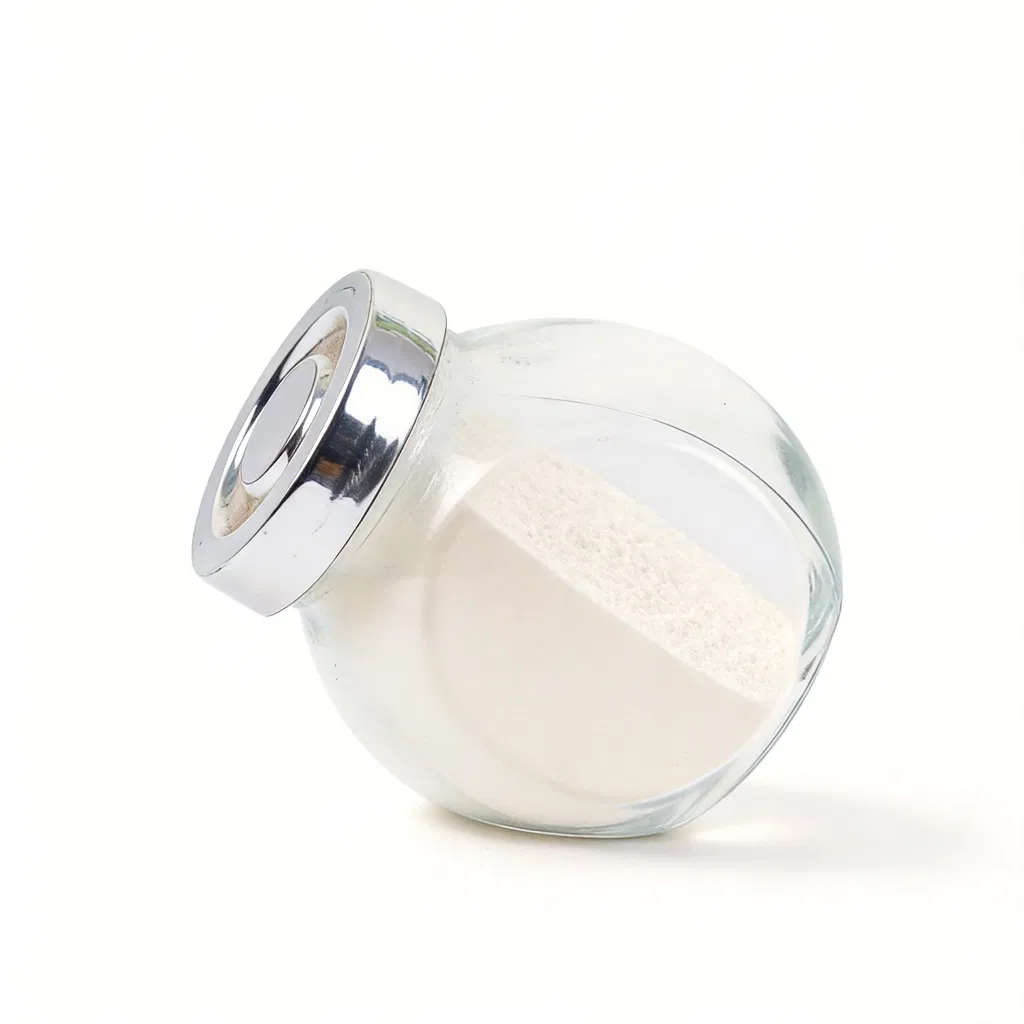
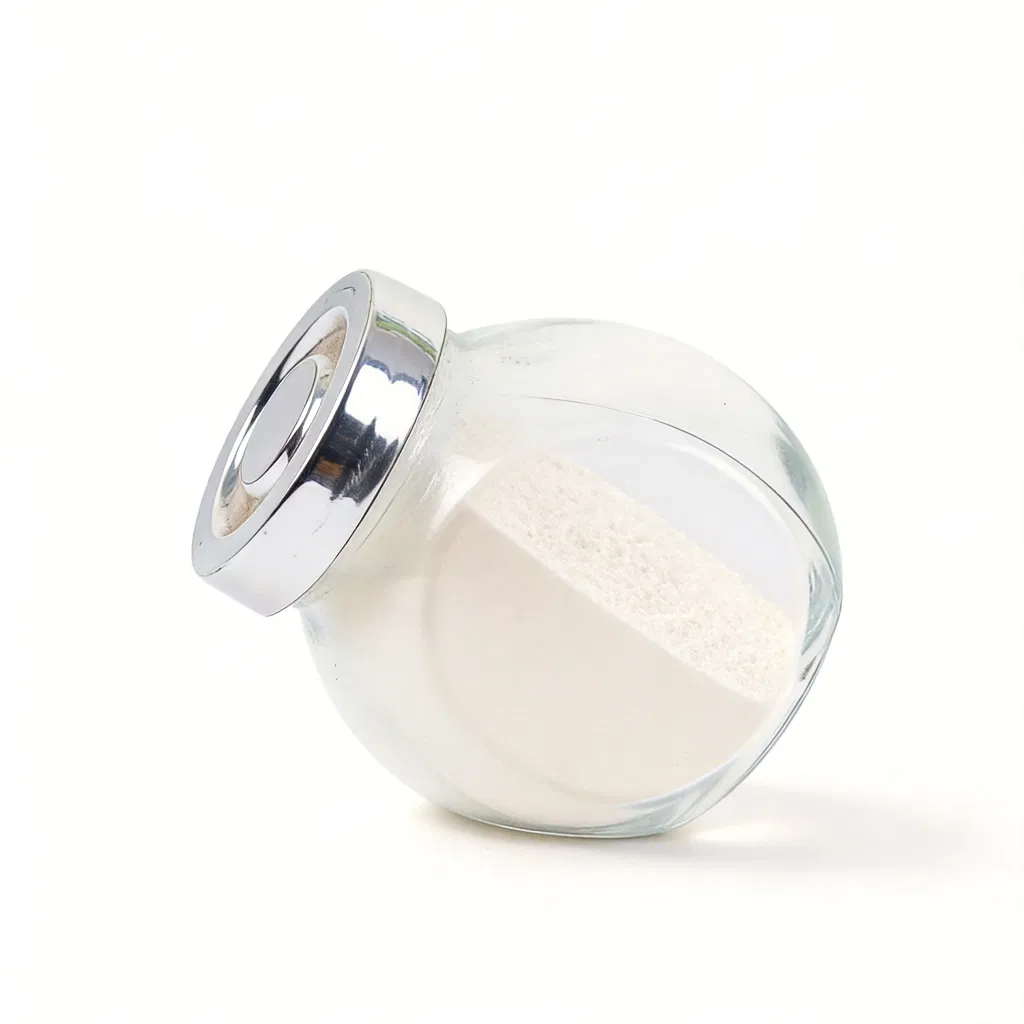
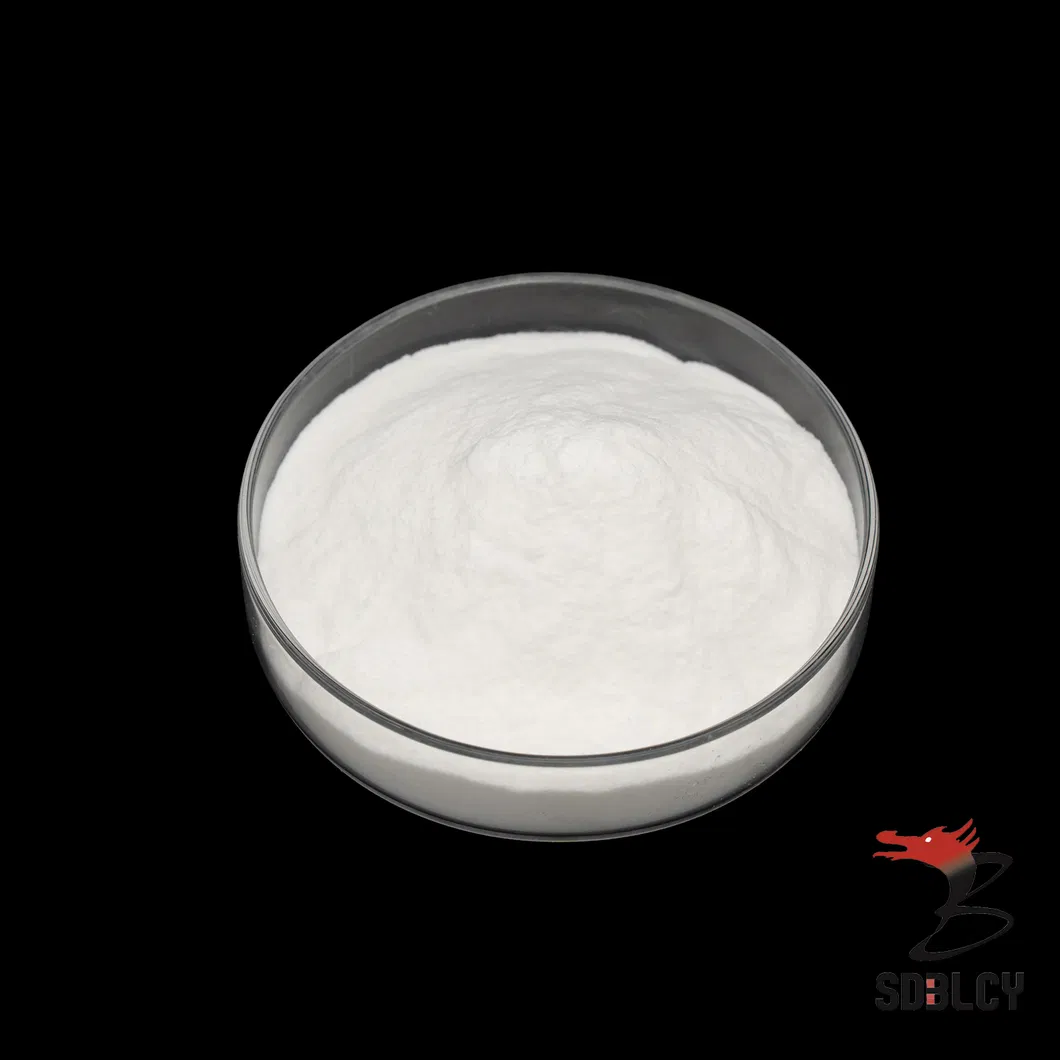
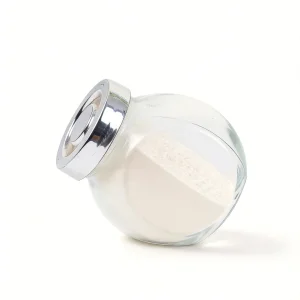
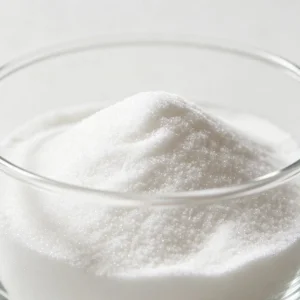
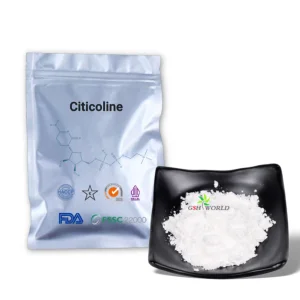
- Appearance: Stachyose is a white powder in appearance and tastes fresh without peculiar smell.
- Sweetness: Stachyose sweetness is 22% of sucrose sweetness.
- Solubility: It is easily soluble in water with a solubility of 130g(20ºC), it is different from organic solvents such as ether and ethanol.
- Moisture/Osmotic: The moisture retention and hygroscopicity are less than sucrose, but higher than high fructose syrup; the osmotic pressure is almost the same with sucrose.
- Thermal Stability: The melting point is 101ºC, the crystallization water is lost after vacuum heating to 115ºC, and the melting point of anhydrous stachyose is 167ºC~170ºC.
- Reducibility: Stachyose has no reducibility.
Physiological Characteristics of Stachyose
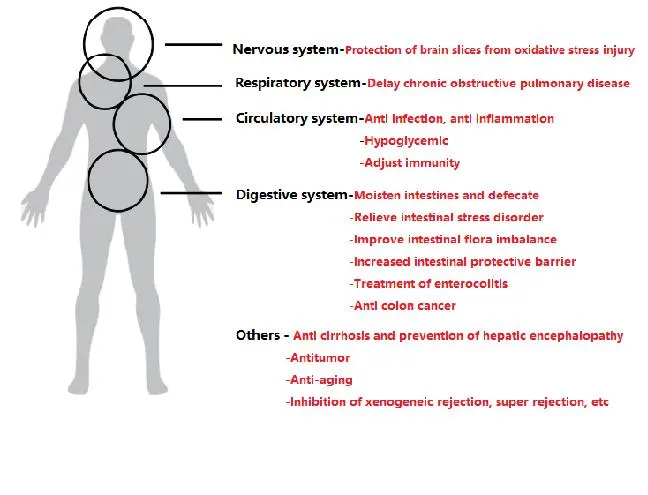
- Proliferate Bifidobacteria: Regulate the balance of intestinal flora. Bifidobacteria preferentially consume stachyose, allowing it to directly proliferate bifidobacteria.
- Relieve Constipation and Diarrhea: As a small molecule water-soluble dietary fiber, it helps produce short-chain fatty acids in the large intestine and absorbs water to alleviate diarrhea.
- Protect the Liver: Promotes beneficial bacteria growth to inhibit harmful bacteria, reducing ammonia production and protecting against hepatic issues.
- Immunomodulatory Function: Features an α-1,6-galactose structure that prevents pathogen infection, neutralizes toxins, and improves human immunity.
- Promote Lead Removal: Reduces residence time of food residues and aids in the excretion of lead.
- Regulate Blood Glucose and Lipid: Studies show it can improve glucose and lipid metabolism, reducing fasting blood glucose and cholesterol levels.
Reference Dosage of Stachyose
- Intestinal Flora Balance: 0.5~3 g per day, taken continuously for 15~30 days.
- Constipation Relief: 5~10 g per day for adults, 1~3 g per day for children, taken continuously for 1~7 days.
- Poultry Feed: Add 0.5~1.0% in the ration.
- Pig Feed: Add 0.8~1.0% in the ration.
- Aquaculture: Add 0.8~1.25% into the feed.
Frequently Asked Questions (FAQ)
1. What is Stachyose?
Stachyose is a naturally occurring tetrasaccharide functioning as a soluble dietary fiber, composed of galactose, glucose, and fructose.
2. Is Stachyose safe for intestinal health?
Yes, it effectively proliferates bifidobacteria and helps regulate the balance of intestinal flora, making it beneficial for gut health.
3. Can Stachyose help with constipation?
Yes, it acts as a water-soluble fiber that promotes intestinal function and helps alleviate constipation when taken at the recommended daily dosage.
4. Does Stachyose affect blood sugar?
Research suggests that Stachyose can help regulate blood glucose and lipid metabolism, potentially reducing fasting blood glucose levels.
5. What is the recommended dosage for adults?
For regulating constipation, adults are recommended to take 5~10 g per day continuously for 1 to 7 days.
 Aeterna Biotech