Aeterna Biotech
1 / 5
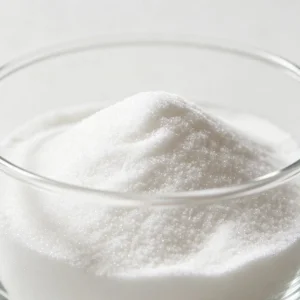
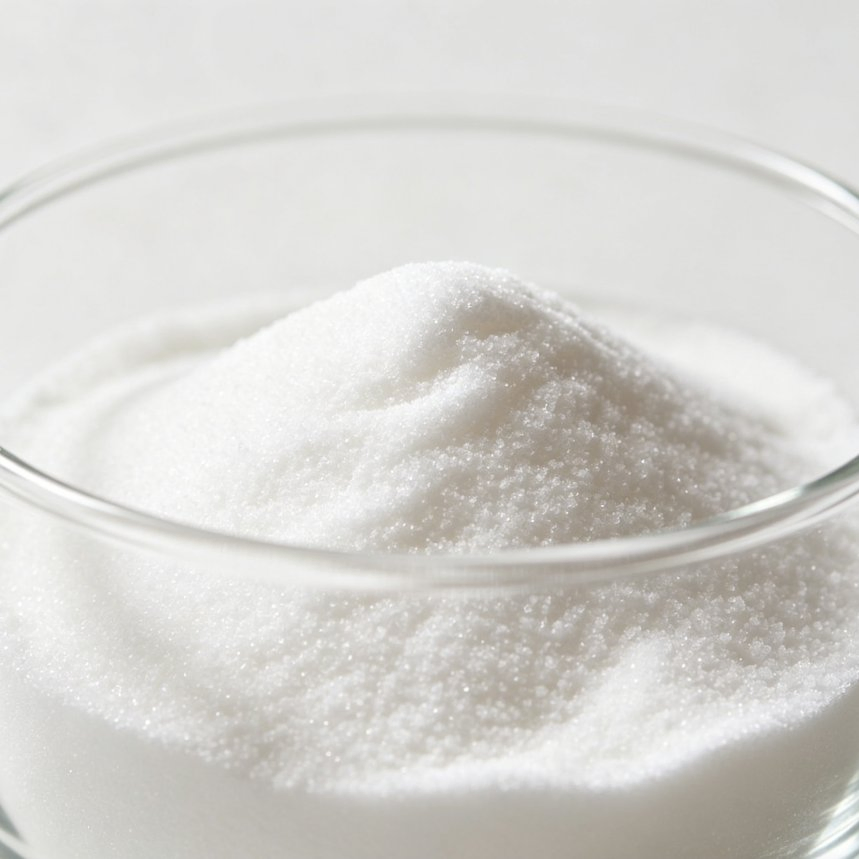
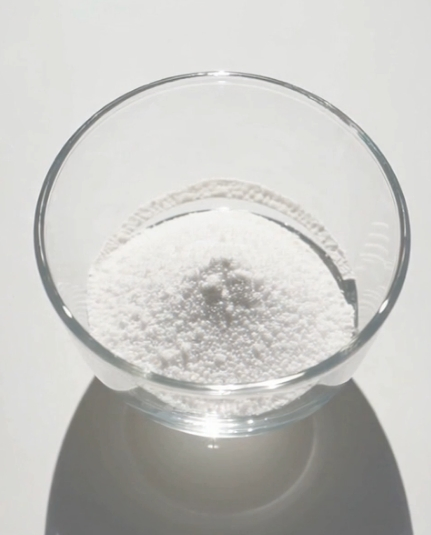
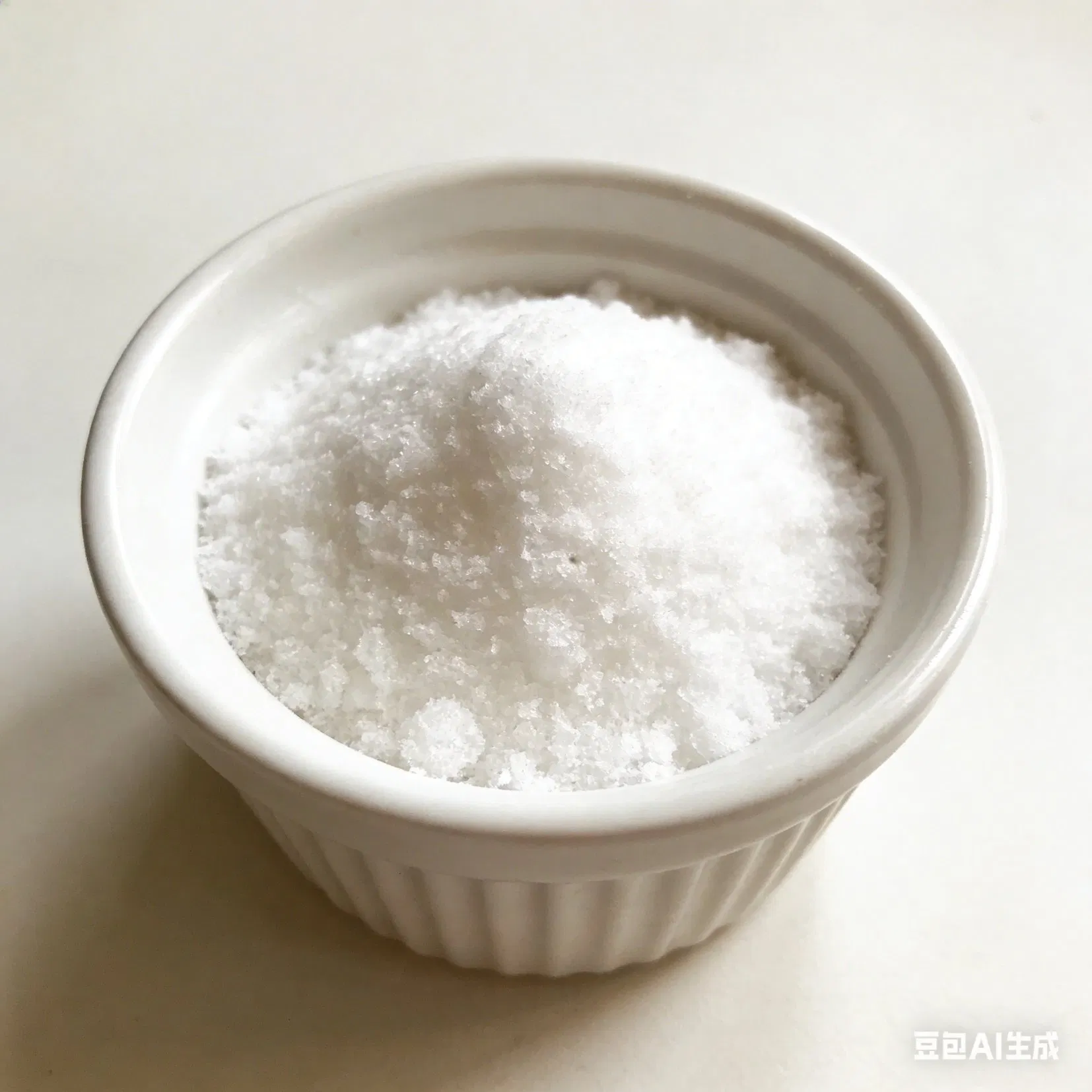
Stachyose is a naturally occurring tetrasaccharide with the molecular formula C24H42O21, the relative molecular weight is 666.59. Its structure consists of two galactose, one glucose and one fructose. It is a non-reducing functional oligosaccharide. Stachyose is not decomposed by human gastrointestinal digestive juice and belongs to soluble dietary fiber.
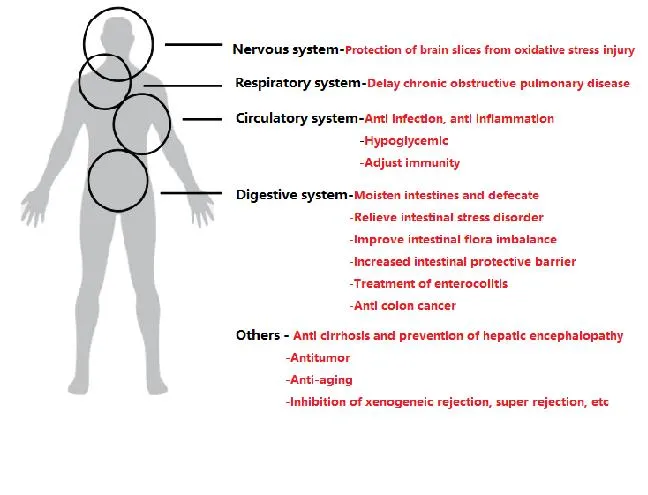
1. Intestinal Health: Proliferates bifidobacteria and regulates the balance of intestinal flora. Bifidobacteria preferentially consume stachyose over other sugars.
2. Digestive Support: Relieves constipation and prevents diarrhea. As a water-soluble dietary fiber, it enhances intestinal function and produces short-chain fatty acids.
3. Liver Protection: Reduces ammonia production in the intestine, helping to avoid ammonia poisoning and protecting against liver cirrhosis.
4. Immunomodulatory Function: The α-1,6-galactose structure helps prevent pathogen infection and neutralizes toxins, effectively improving the human immune system.
5. Lead Removal: Reduces residence time of food residues and expels lead through bile. It also promotes B vitamin synthesis to inhibit lead absorption.
6. Metabolic Regulation: Studies show it can improve glucose and lipid metabolism, reducing fasting blood glucose and total cholesterol levels.
| Intestinal Flora Balance | 0.5~3 g per day (15~30 days) |
| Constipation Relief (Adult) | 5~10 g per day (1~7 days) |
| Constipation Relief (Child) | 1~3 g per day (1~7 days) |
| Poultry Feed | Add 0.5~1.0% in ration |
| Pig Feed | Add 0.8~1.0% in ration |
| Aquaculture | Add 0.8~1.25% in feed |