Aeterna Biotech
1 / 5
Stachyose is a naturally occurring tetrasaccharide with the molecular formula C24H42O21. The relative molecular weight is 666.59, and its structure consists of two galactose, one glucose, and one fructose molecules. It is a non-reducing functional oligosaccharide. Stachyose is not decomposed by human gastrointestinal digestive juice and belongs to soluble dietary fiber.
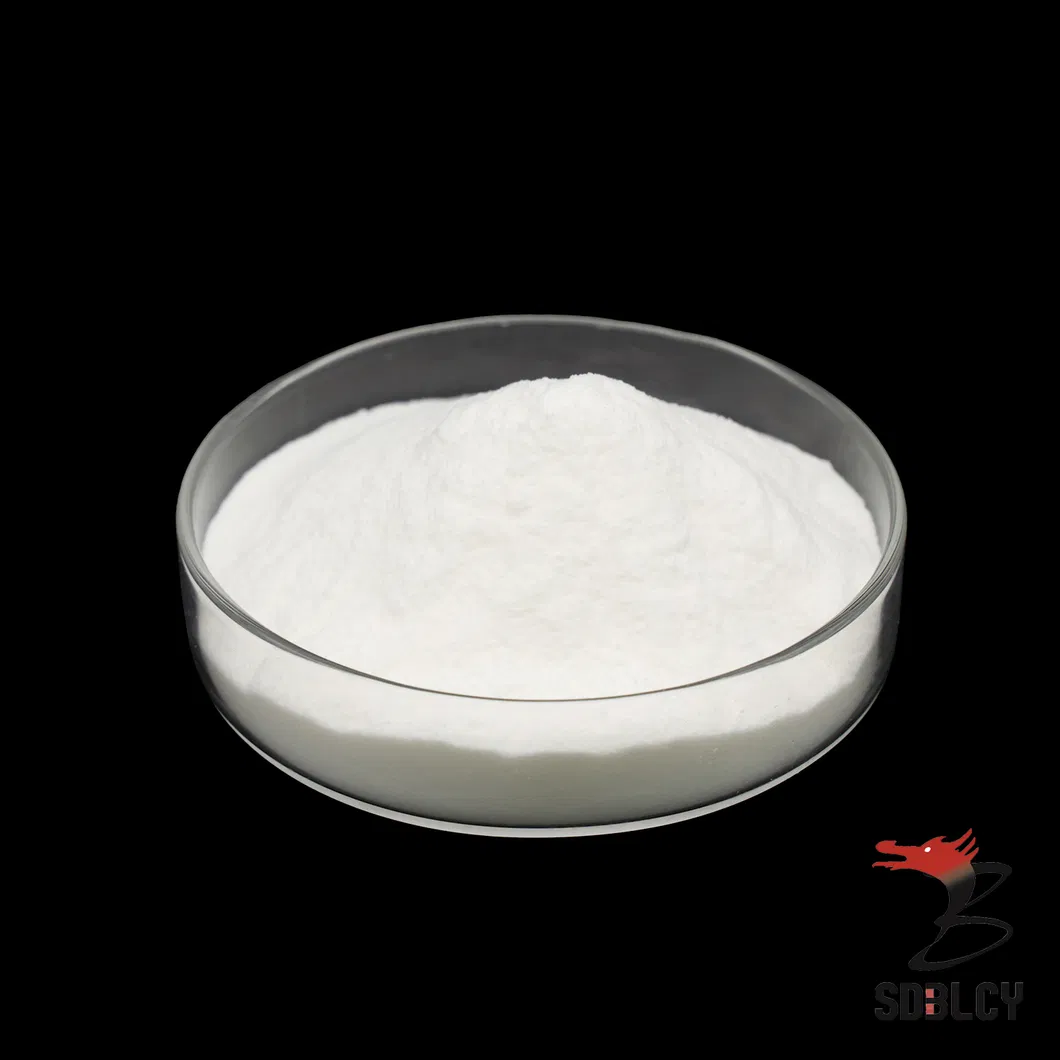
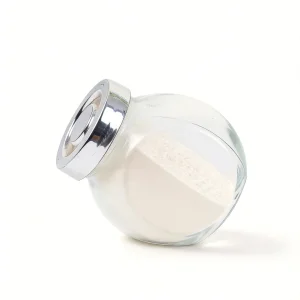
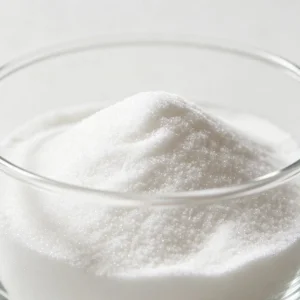
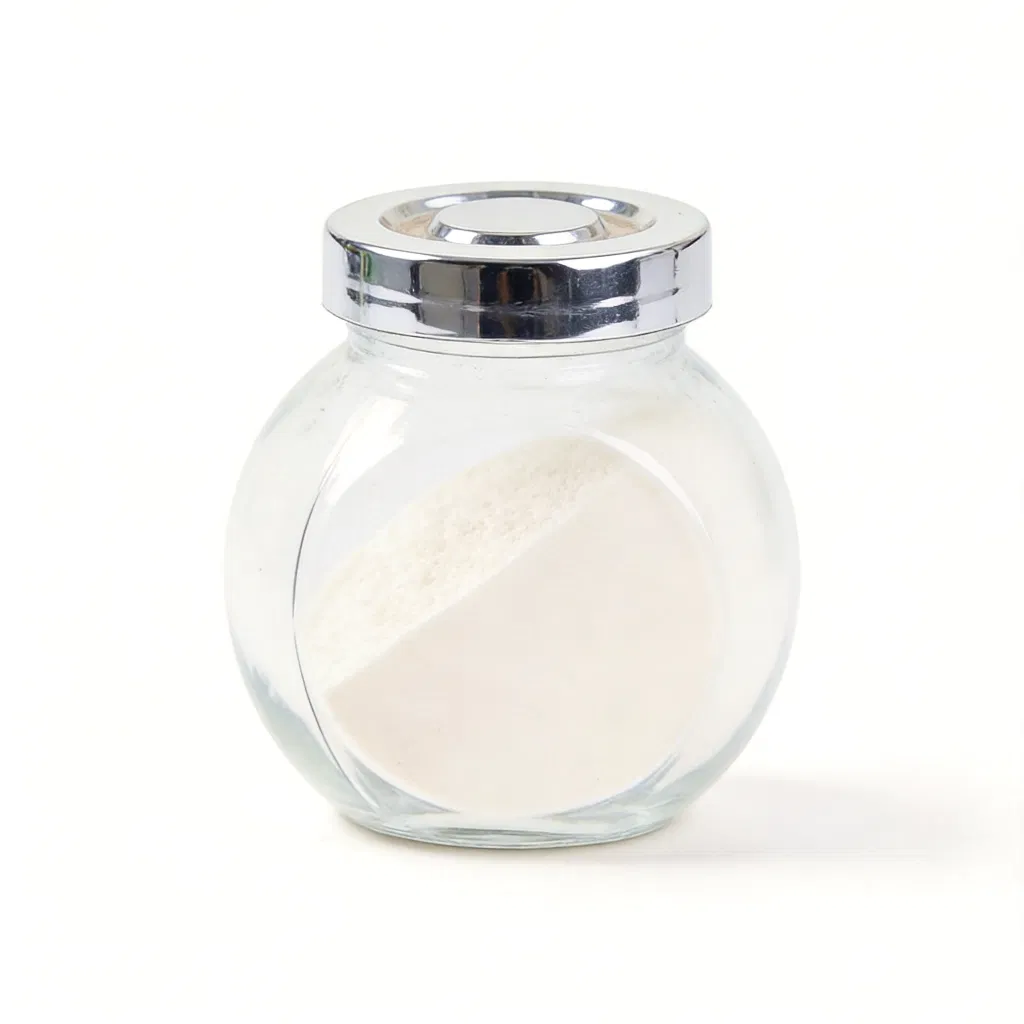
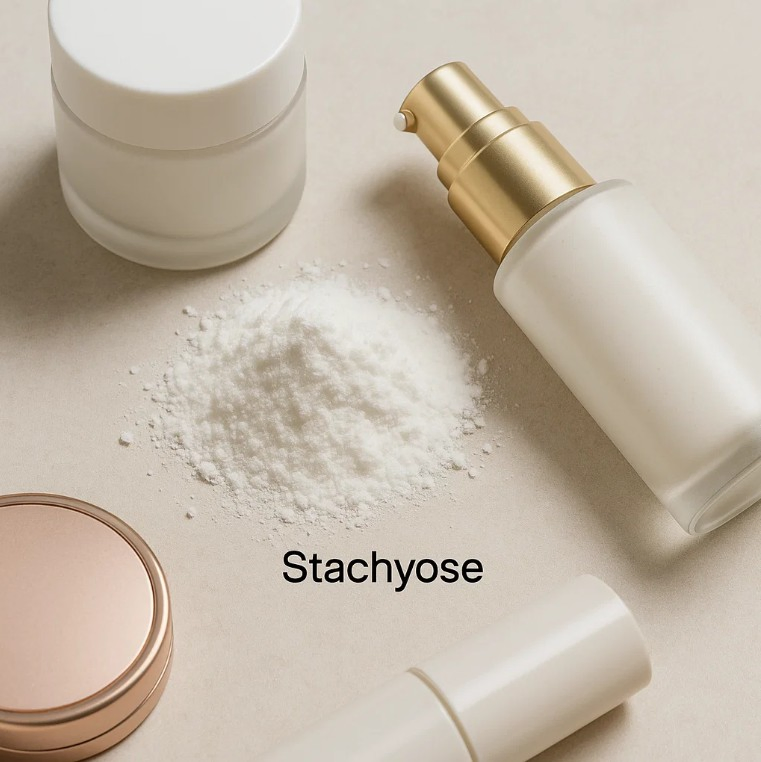
1. Stachyose is white powder in appearance and tastes fresh without peculiar smell.
2. Stachyose sweetness is 22% of sucrose sweetness.
3. It is easily soluble in water with a solubility of 130g(20ºC), it is different from organic solvents such as ether and ethanol.
4. The moisture retention and hygroscopicity are less than sucrose, but higher than high fructose syrup.
5. The osmotic pressure is almost the same with sucrose.
6. The melting point is 101ºC, the crystallization water is lost after vacuum heating to 115ºC, and the melting point of anhydrous stachyose is 167ºC~170ºC.
7. Stachyose has no reducibility.
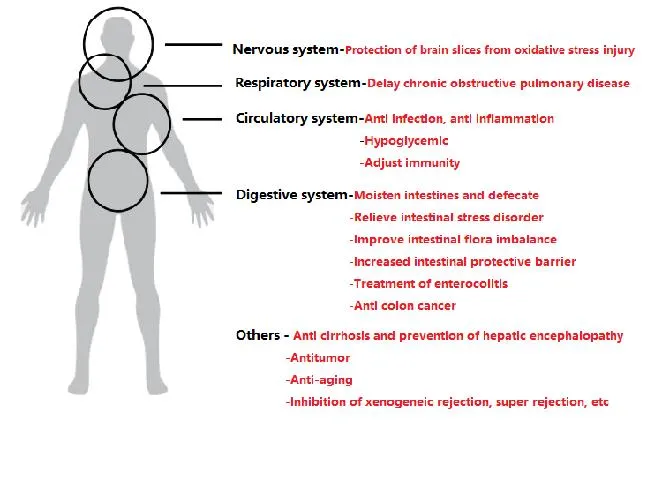
1. Proliferate bifidobacteria: Stachyose can be effectively utilized by human intestinal bifidobacteria and regulates the balance of intestinal flora.
2. Digestive Health: It acts as a small molecule water-soluble dietary fiber, helping to relieve constipation and prevent diarrhea by producing short-chain fatty acids.
3. Liver Protection: Stachyose helps reduce ammonia production, which supports liver health and prevents hepatic encephalopathy.
4. Immunomodulatory: It supports immune regulation by participating in biological processes and neutralizing toxins.
5. Lead Removal: It assists in reducing the intestinal absorption of lead and expels food residues more efficiently.
6. Metabolic Regulation: Studies suggest stachyose can improve glucose and lipid metabolism, assisting in reducing blood glucose and cholesterol levels.