Aeterna Biotech

1 / 5
In the global market, the Asia-Pacific region, Latin America, and the Middle East hold substantial potential for demand growth. Driven by robust economic development and the broad adoption of healthy eating trends, the demand for sorbitol is steadily expanding in these emerging regions. Specifically, the rising incidence of diabetes and obesity continues to trigger the demand for low-sugar food alternatives, highlighting sorbitol's application as a safe substitute.
The worldwide market evolution of sorbitol is closely tied to evolving food safety regulatory frameworks across nations. As global regulations on food additives become increasingly stringent, standardized applications of sorbitol are governed carefully, bolstering consumer confidence. As consumer awareness around ingredients list clarity improves, labeling sorbitol as a natural, low-calorie, sugar-free sweetener significantly enhances brand trust and overall product appeal.
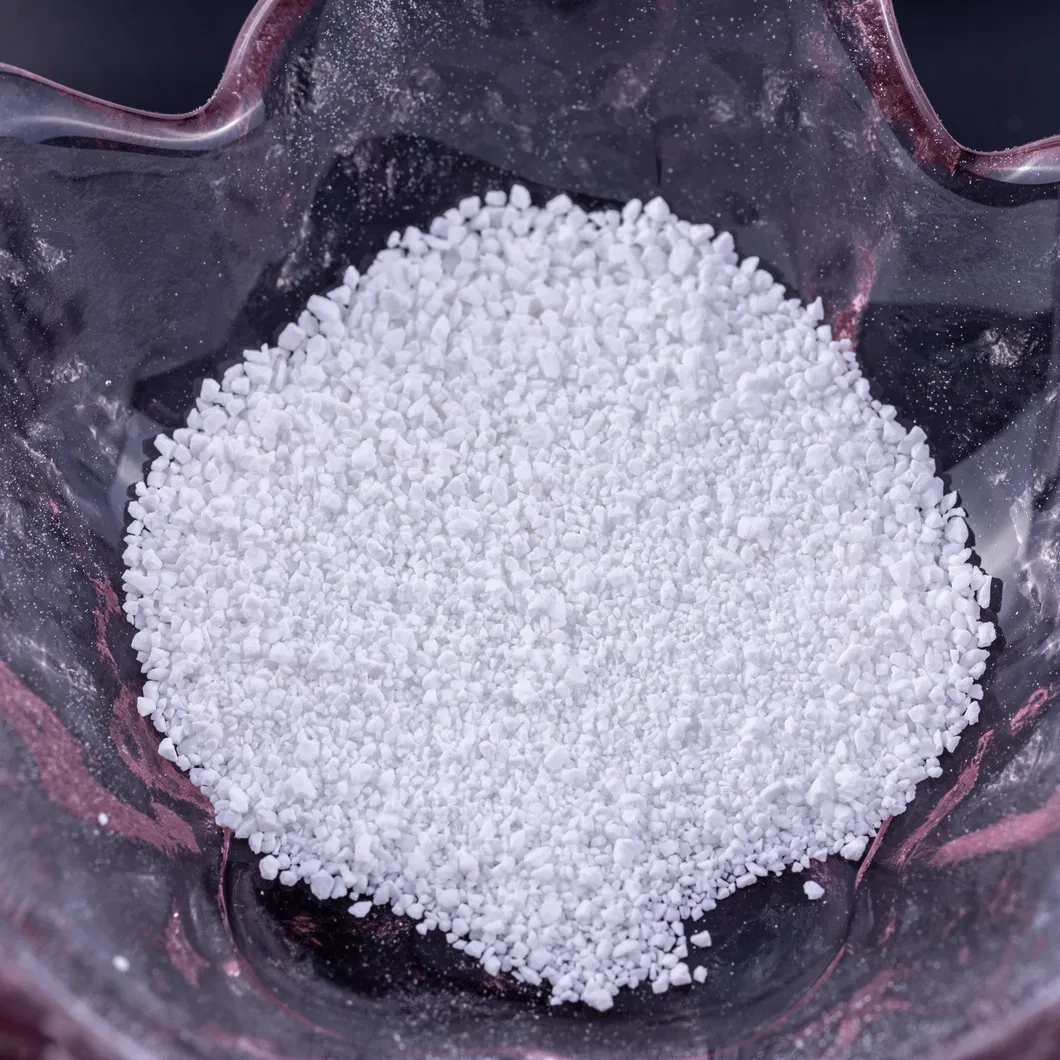
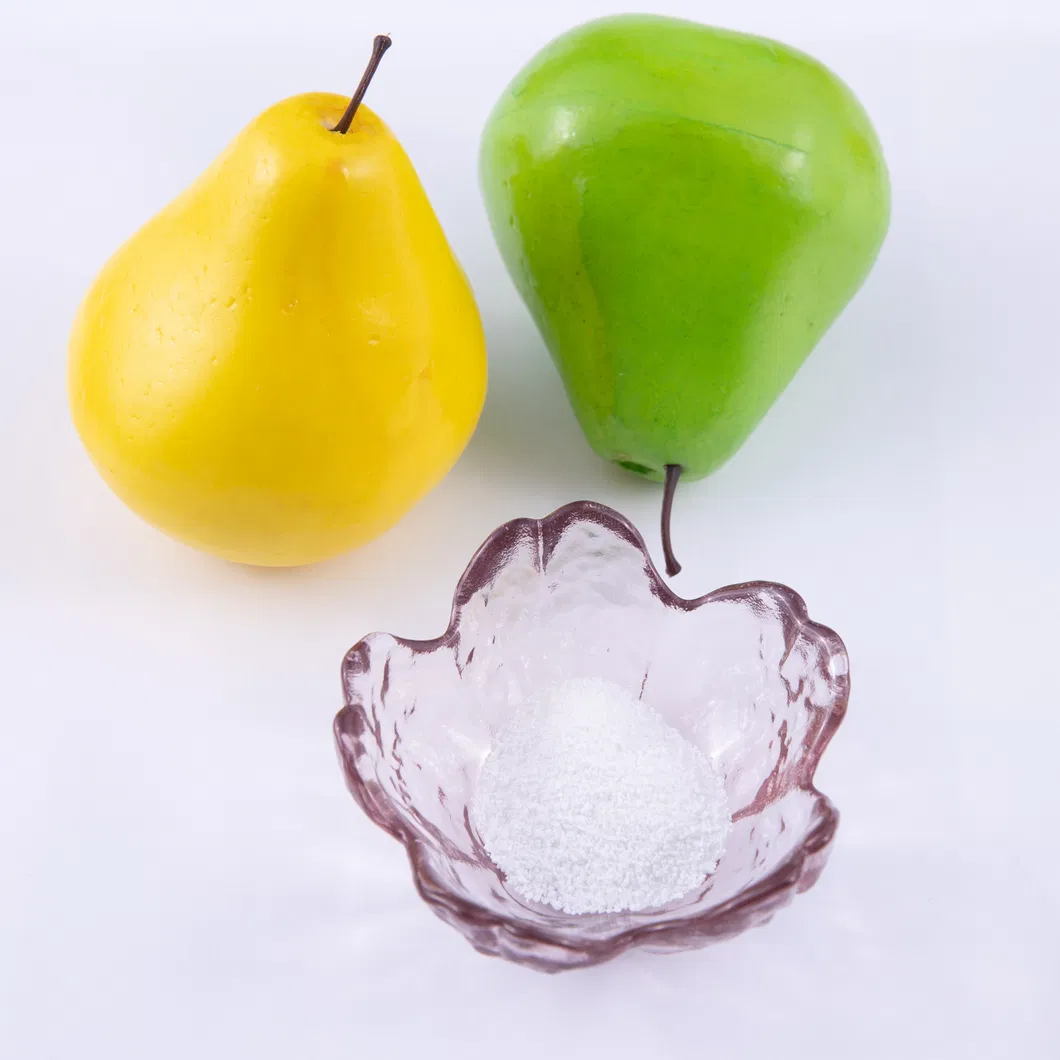
| Testing Item | Standard Specification | Result |
|---|---|---|
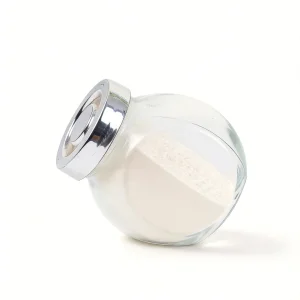
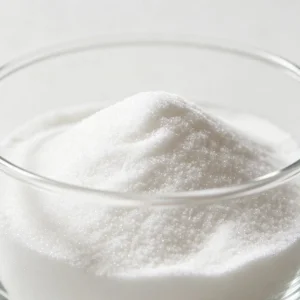
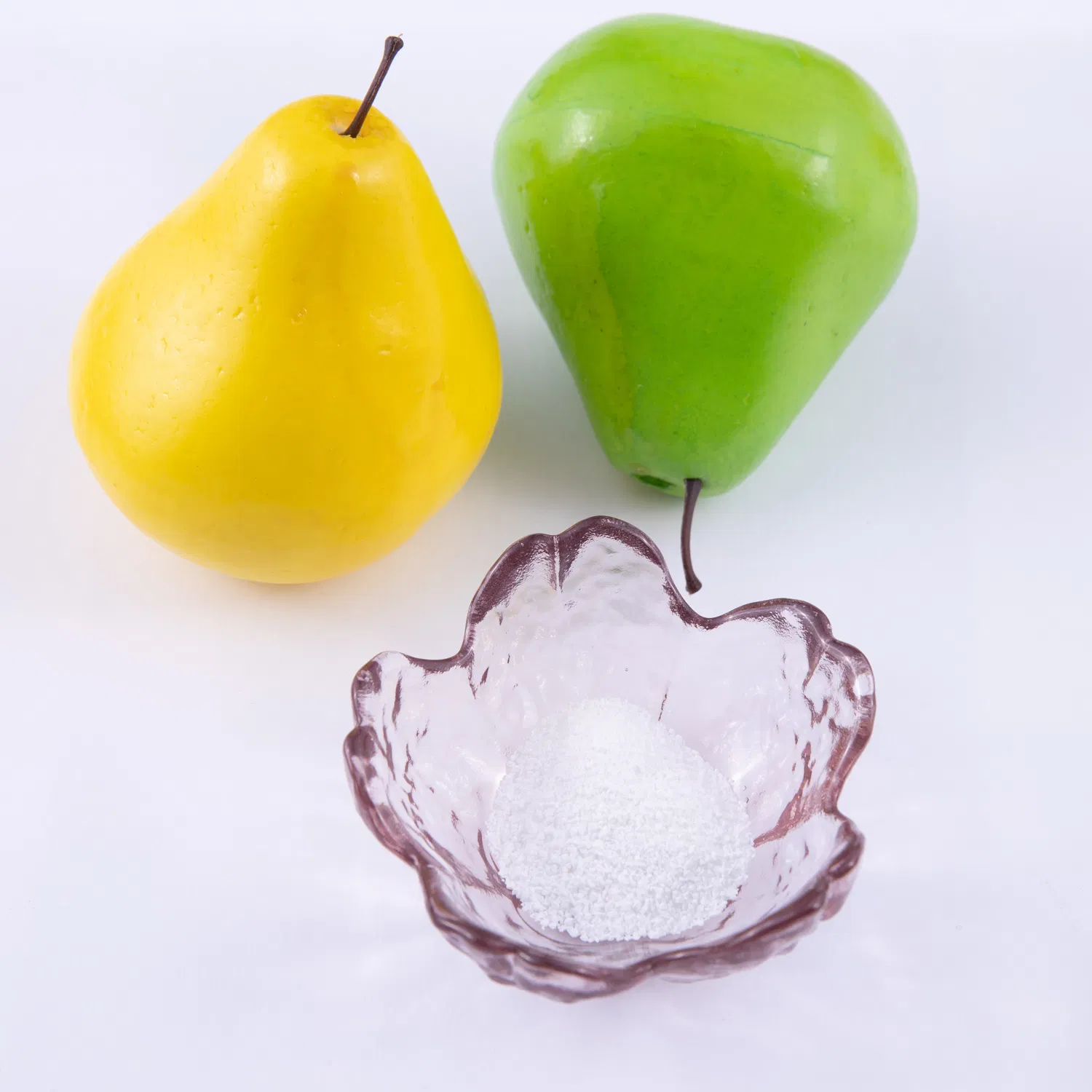
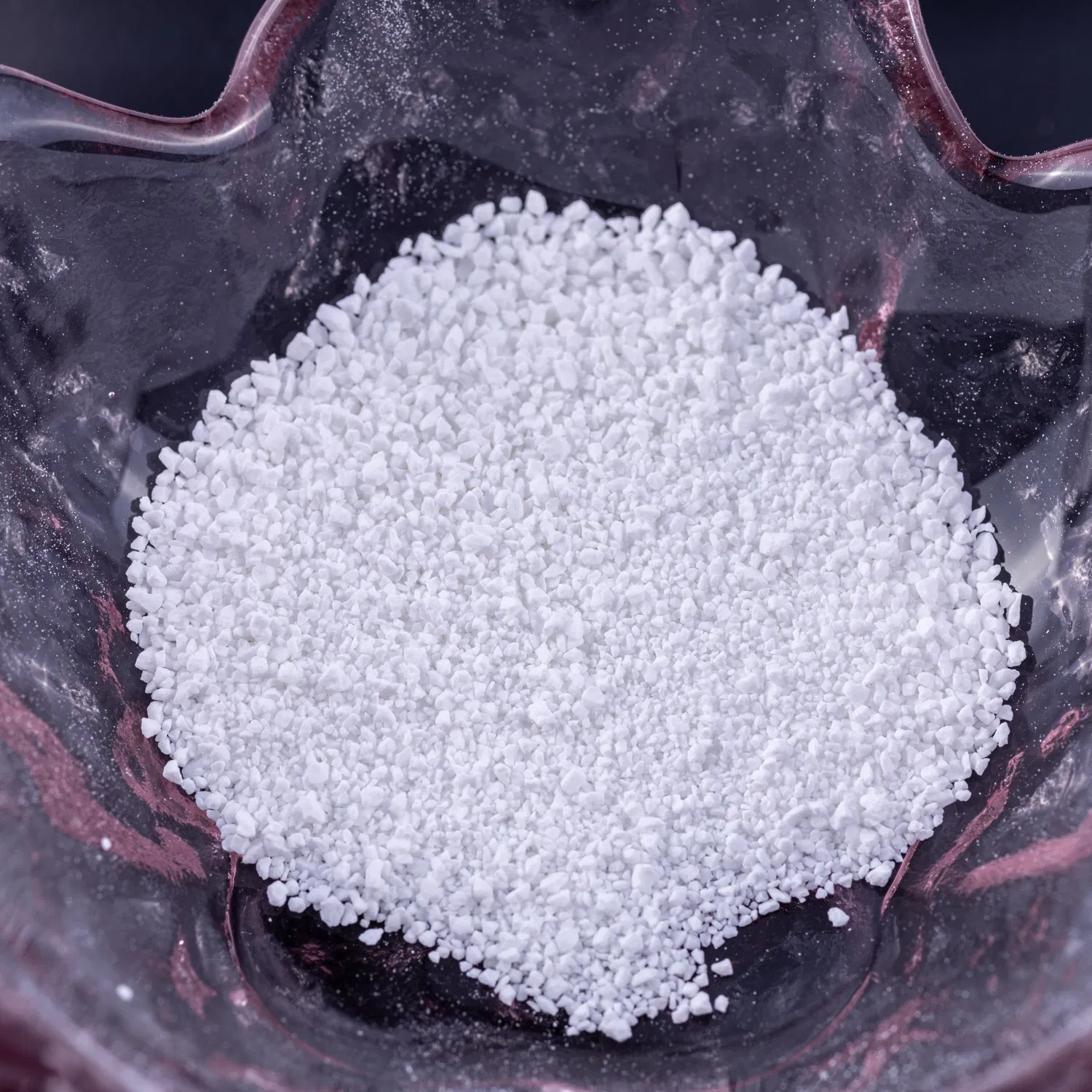
| Description | White crystalline particles or powder | Conform |
| Assay | ≥ 99.0% | Conform |
| Reducing sugars | ≥ 98.0% | Conform |
| Reducing sugars | ≤ 0.15% | Conform |
| Total sugars | ≤ 0.5% | Conform |
| pH (50% aq sol) | 5.0 - 7.0 | Conform |
| Residue on ignition | ≤ 0.1% | Conform |
| Heavy metals | ≤ 5.0ppm | Conform |
| Nickel | ≤ 1.0ppm | Conform |
| Lead | ≤ 1.0ppm | Conform |
| Chloride | ≤ 50ppm | Conform |
| Sulphate | ≤ 50ppm | Conform |
| Total bacterium | ≤ 100ppm | Conform |
| Colon bacillus | Negative | Negative |

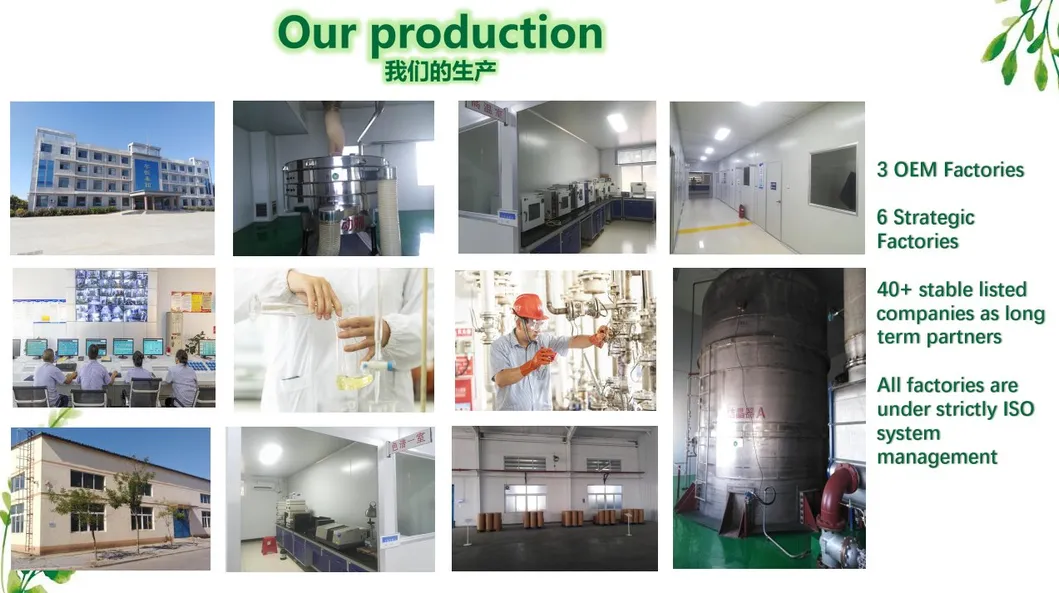
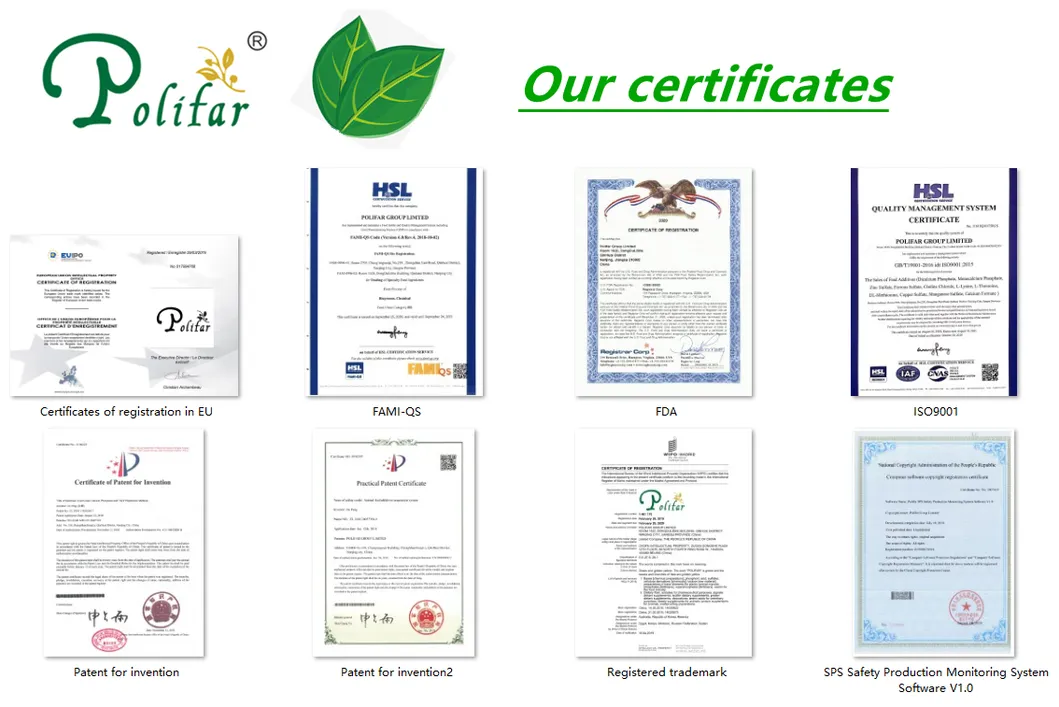
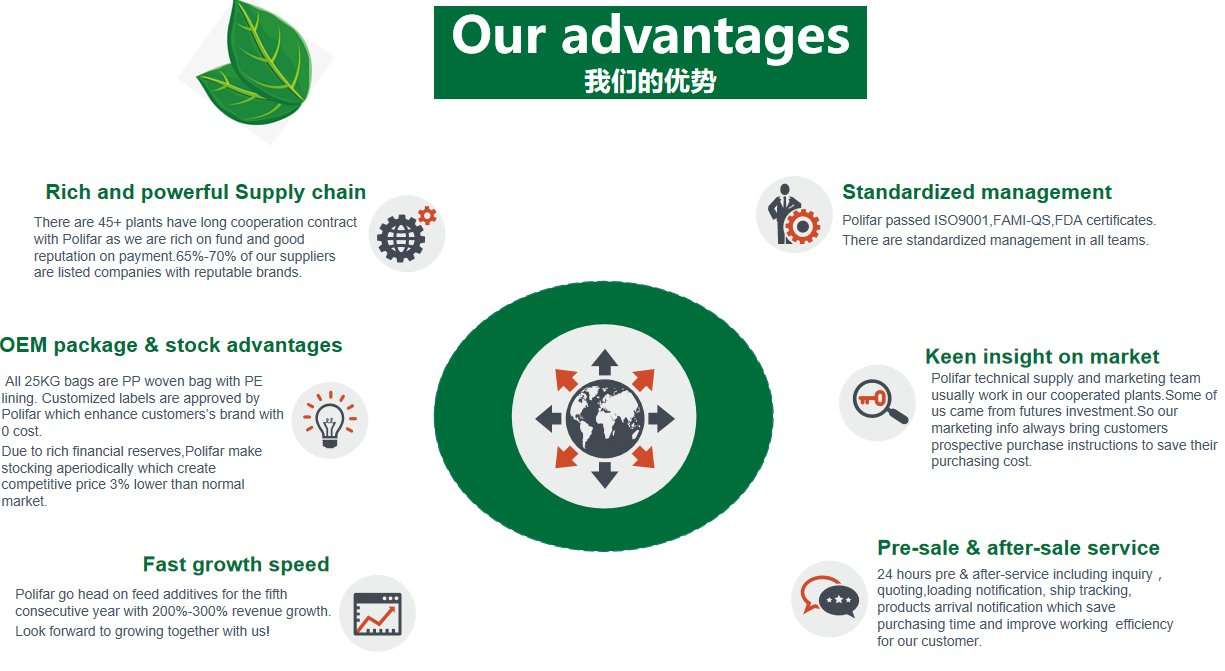
In addition to premium Sorbitol solutions, a robust catalog of certified additives serves global food, beverage, and nutritional industries. Outstanding product quality is fully ensured under basic certifications including ISO9001, FAMI-QS, FDA, and SGS.