Sorbitol Solution 70% / Sorbitol Syrup & Powder
Chemical Formula: C6H14O6
CAS No.: 50-70-4
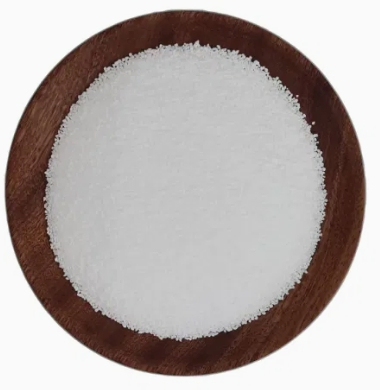
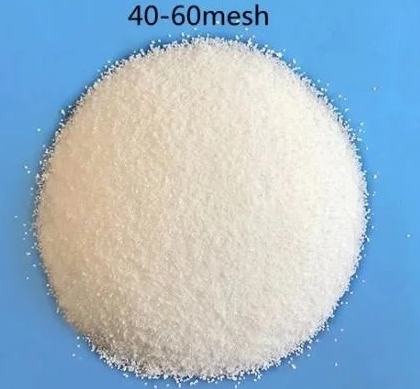
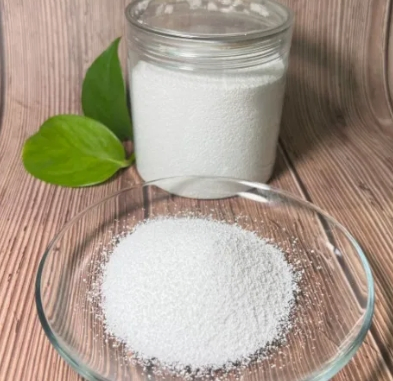
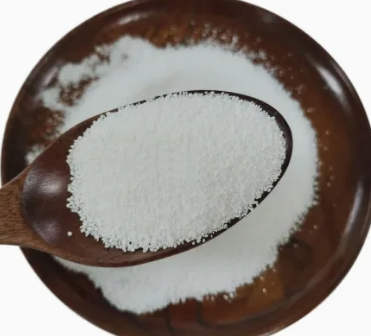
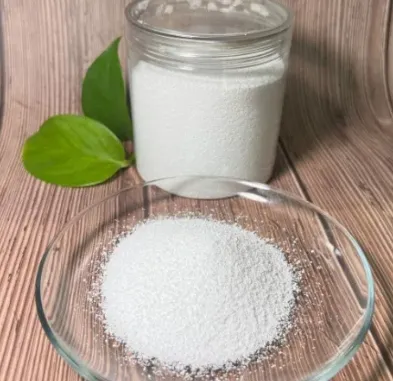
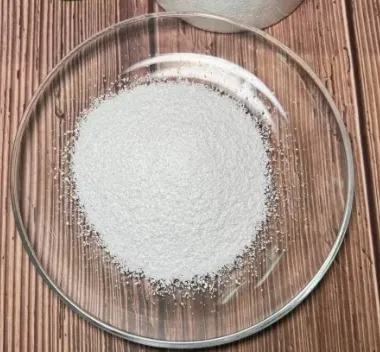
Sorbitol is a natural sweetener made from glucose, appearing as a white crystalline powder or a colorless, odorless, clarified sweet liquid. It offers excellent preservation, moisture retention, and color stability.
Basic Specifications
Nutritional Value
Nutritional
Appearance
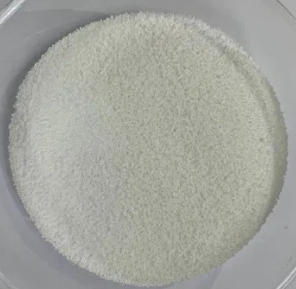
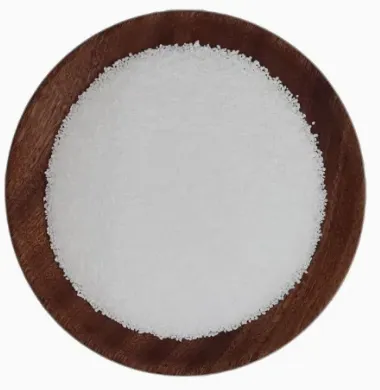
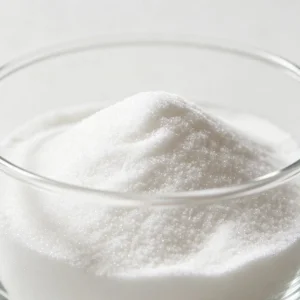
White Crystalline Powder
Product Performance
Sorbitol (D-Glucitol) is a hygroscopic white crystalline powder or syrup with a refreshing sweet taste, approximately 60% as sweet as sucrose. It has a similar calorific value to sucrose but is non-cariogenic (does not cause dental caries). It is highly soluble in water and slightly soluble in ethanol and acetic acid.

Wide Applications
🍬 Food Industry
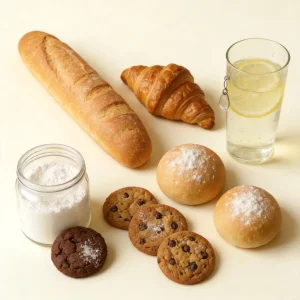
Sweetener & Humectant: Used in sugar-free chewing gum, diet drinks, ice cream, cakes, and biscuits. It acts as a plasticizer in baking to slow down the staling process and maintains moisture in products like peanut butter.
💄 Cosmetics & Oral Care
Humectant & Thickener: Essential in toothpaste, mouthwash, and transparent gels due to its high refractive index. It provides a smooth texture and prevents products from drying out.
💊 Pharmaceutical
Excipient: Used in softgel capsules for liquid medicines and in treatments for hyperkalaemia combined with ion-exchange resins.
Storage & Packaging
Storage: Stockpiled in a ventilated place, avoiding rain, moisture, and insolation. Handle with care to prevent bag damage. Store away from toxic substances.
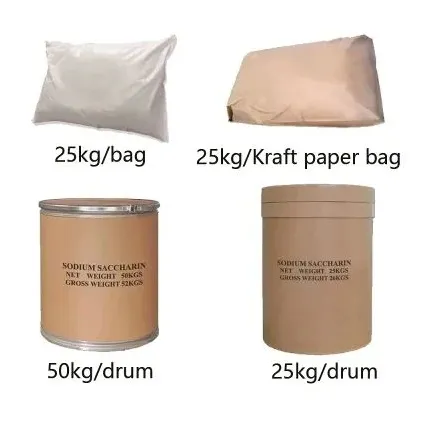
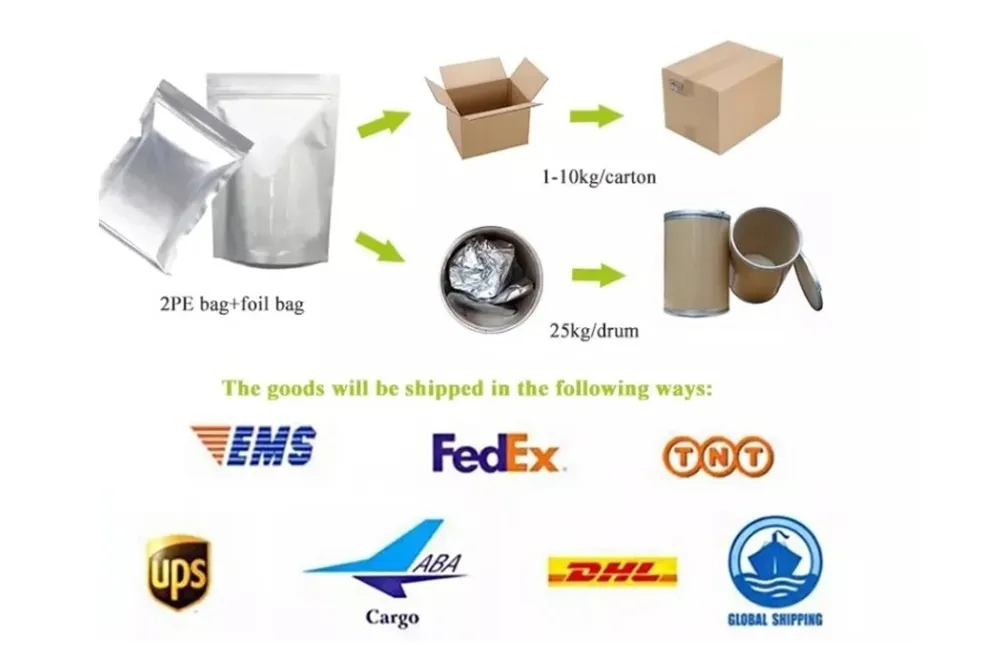
Packing: 25kg/bag.
Loading Capacity: 17MT/20FCL without pallets; 14MT/20FCL with pallets.
Shelf Life: Two years when properly stored.
Frequently Asked Questions
What is the primary source of Sorbitol?
Sorbitol is a natural functional sweetener primarily produced from glucose. It also occurs naturally in various stone fruits and berries.
Is Sorbitol suitable for diabetic patients?
Yes, Sorbitol is used as a nutritive sweetener in diet foods and can be consumed by patients with diabetes as it has a lower glycemic impact compared to sucrose.
Does Sorbitol cause tooth decay?
No, Sorbitol is considered non-cariogenic. Most oral bacteria are unable to use it for energy, making it a popular choice for sugar-free chewing gum and toothpaste.
What are the different forms of Sorbitol available?
We provide Sorbitol in both white crystalline powder/granular form and as a 70% liquid solution (syrup).
What are the main functions of Sorbitol in food production?
Beyond sweetening, it acts as a humectant (moisturizer), chelating agent, stabilizer, and plasticizer to improve food texture and shelf life.
What is the shelf life and recommended storage?
Sorbitol has a shelf life of 2 years. It should be stored in a well-ventilated, dry area away from direct sunlight and moisture.