🌿 Botanical Resource
Raphanus sativus L
📍 Part Used
Root
🔬 Active Ingredients
Anthocyanins
📊 Specification
Color Value: E10~90
📝 Product Introduction
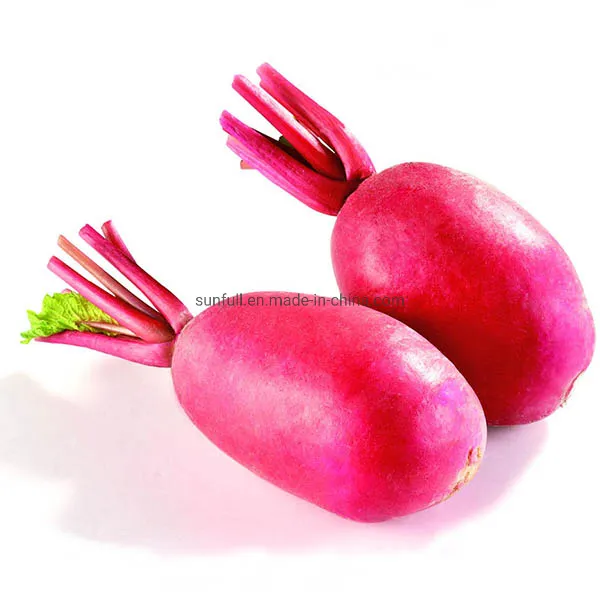
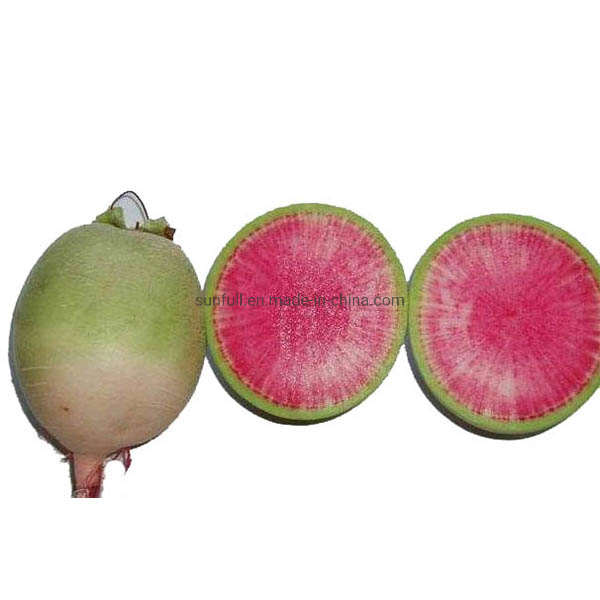
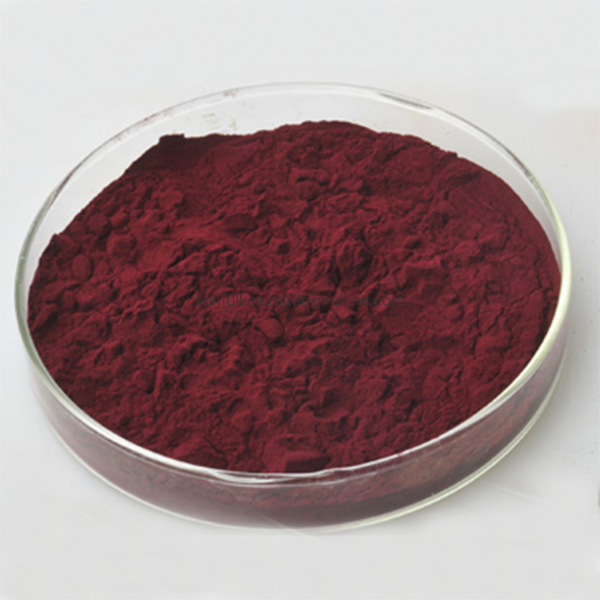
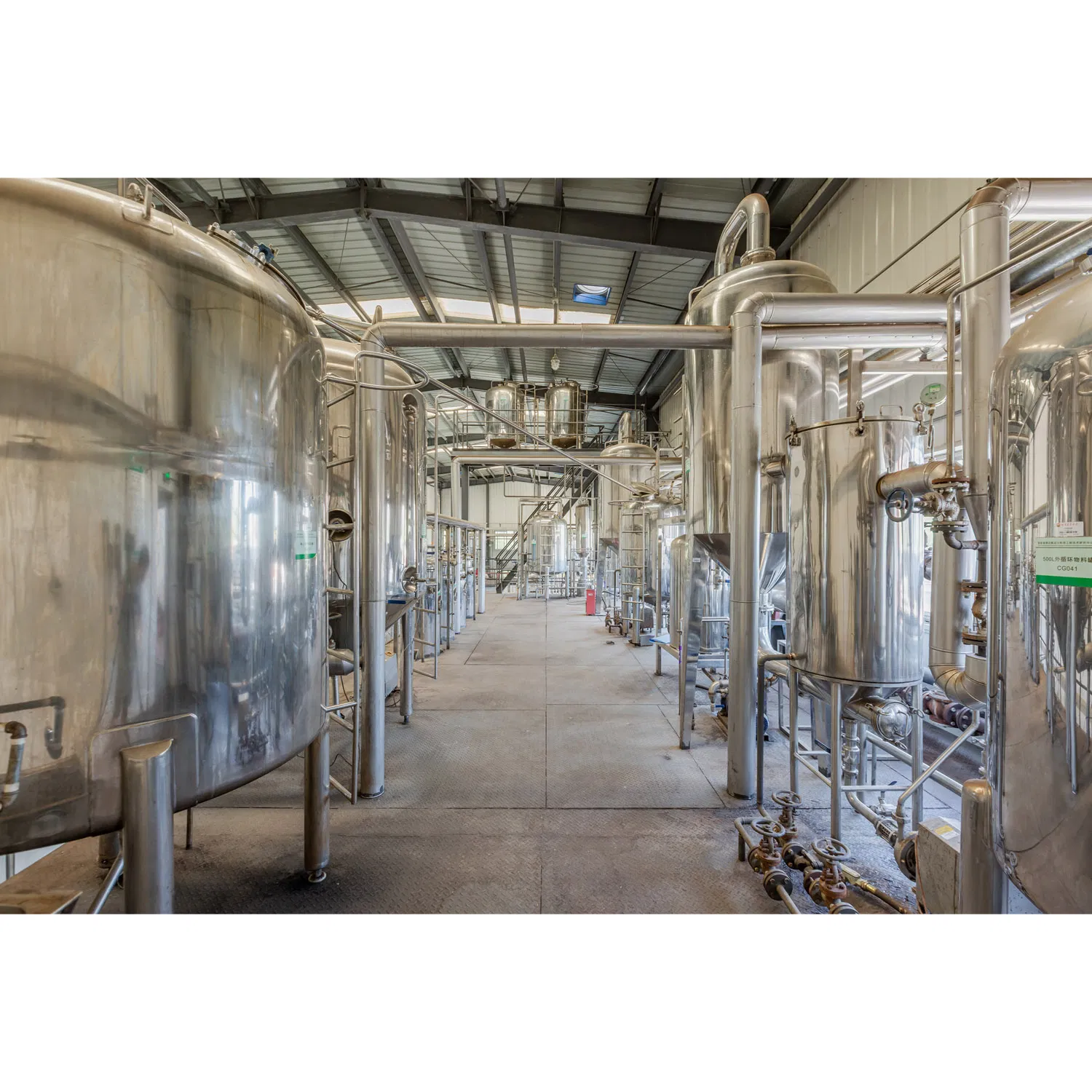
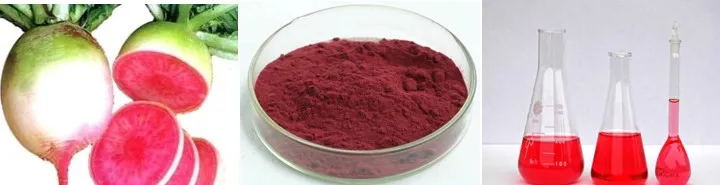
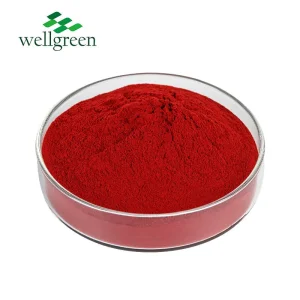
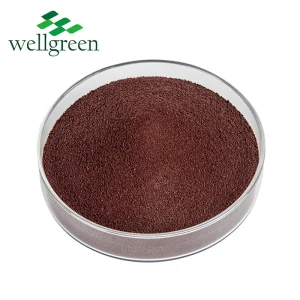
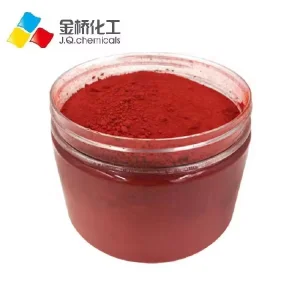
Radish red pigment is a purely natural edible pigment extracted from high-quality red-core radishes. The production process involves meticulous picking, washing, chopping, digestion, filtration, concentration, and spray drying. The primary coloring agents are anthocyanin and prlargonidin, which provide significant health maintenance functions such as anti-oxidation, anti-inflammation, and disease precaution. As it is derived from edible vegetables, it is entirely safe and reliable. It dissolves easily in water and alcohol solutions and is officially listed by the China Health Ministry as a natural edible pigment.
🧬 Physiological Functions
As a water-soluble colorant primarily composed of prlargonidin (an anthocyanin), this pigment exhibits excellent solubility in water and aqueous alcohol but remains insoluble in nonpolar solutions. Its color profile is pH-dependent: it appears vibrant red in acidic environments and shifts to an unstable blue in alkaline conditions. Notably, it boasts superior light stability and thermal resistance, maintaining its color even after prolonged boiling.
🚀 Applications & Usage
Radish red pigment is widely utilized across various industries:
- Pastries & Cakes
- Candies & Confections
- Beverages & Fruit Milk
- Wines & Jams
- Ice Cream & Sausages
- Medicine & Cosmetics
Practical Reference Dosage:
• Beverages: 0.002% ~ 0.07%
• Candy: 0.01% ~ 0.06%
• Cookies & Cakes: 0.04% ~ 0.08%
🖼️ Product Display
Frequently Asked Questions
Q1: What is the main source of Radish Red Pigment?
It is extracted from the root of the red-core radish (Raphanus sativus L) through a natural process of extraction and concentration.
Q2: How does the pH value affect its color?
Radish red pigment is pH-sensitive; it maintains a stable red color in acidic conditions and turns into an unstable blue color in alkaline environments.
Q3: Is the pigment stable under high temperatures?
Yes, it has good resistance to high temperatures, making it suitable for food processing involving boiling without significant color changes.
Q4: What factors can affect the stability of the pigment?
The pigment's stability can be influenced by medium pH levels, metal ions (especially Cu2+ and Fe3+), oxidants, and prolonged sun exposure.
Q5: Can it be used in cold drinks?
Absolutely. It is especially suitable for cold food coloring and acidic beverages due to its high solubility and stability in such environments.
Q6: Are there any health benefits associated with this pigment?
Yes, containing anthocyanins and prlargonidin, it offers health-maintaining functions such as anti-oxidation and anti-inflammation.
 Aeterna Biotech